

What to Wear, What to Bring, and What to Expect
Primate trekking in Uganda is one of the most extraordinary wildlife experiences on Earth. It is immersive, physical, emotional, and deeply respectful. Before we talk about what to pack, let’s address the most important question travelers quietly ask:
Is it safe? Yes.
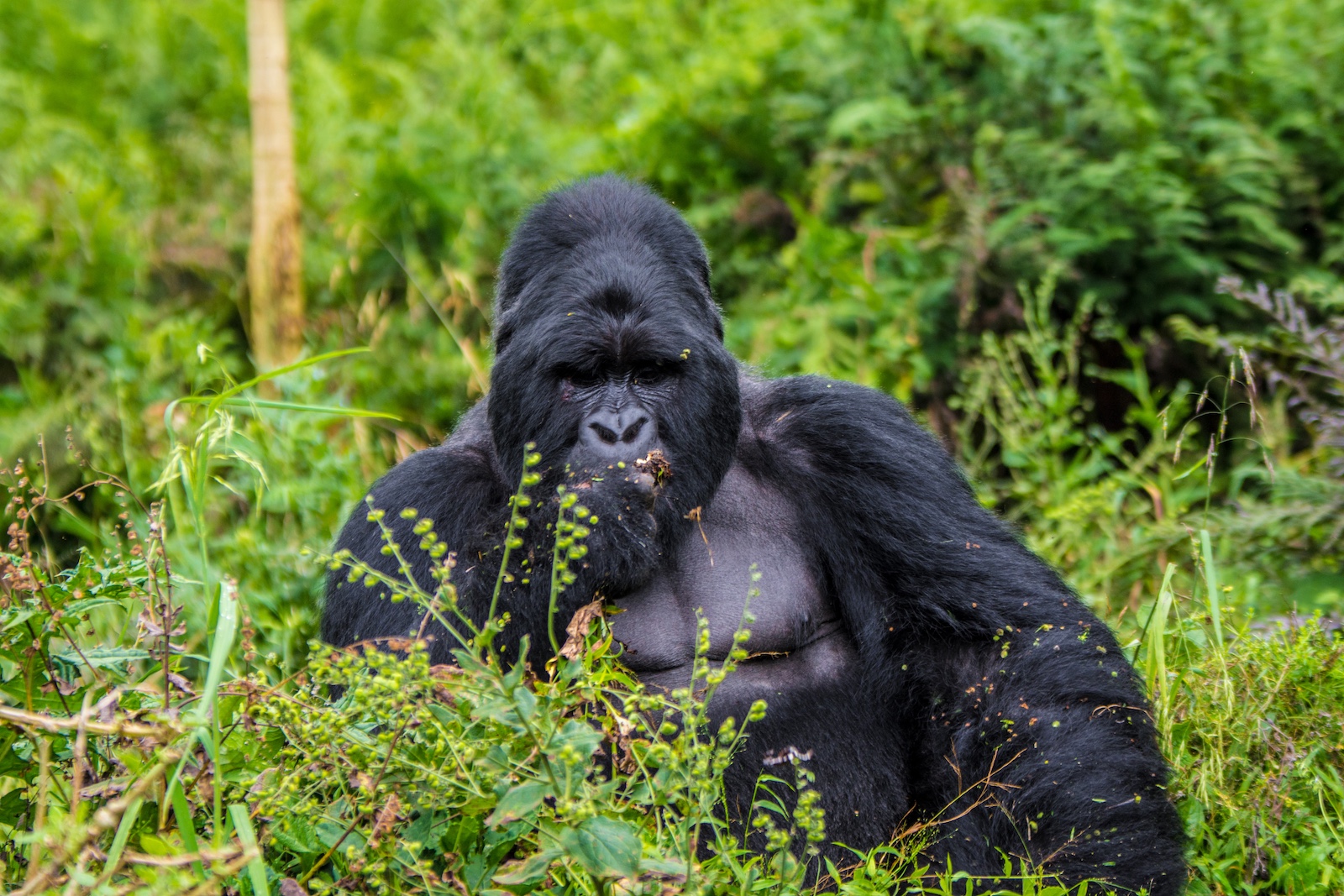
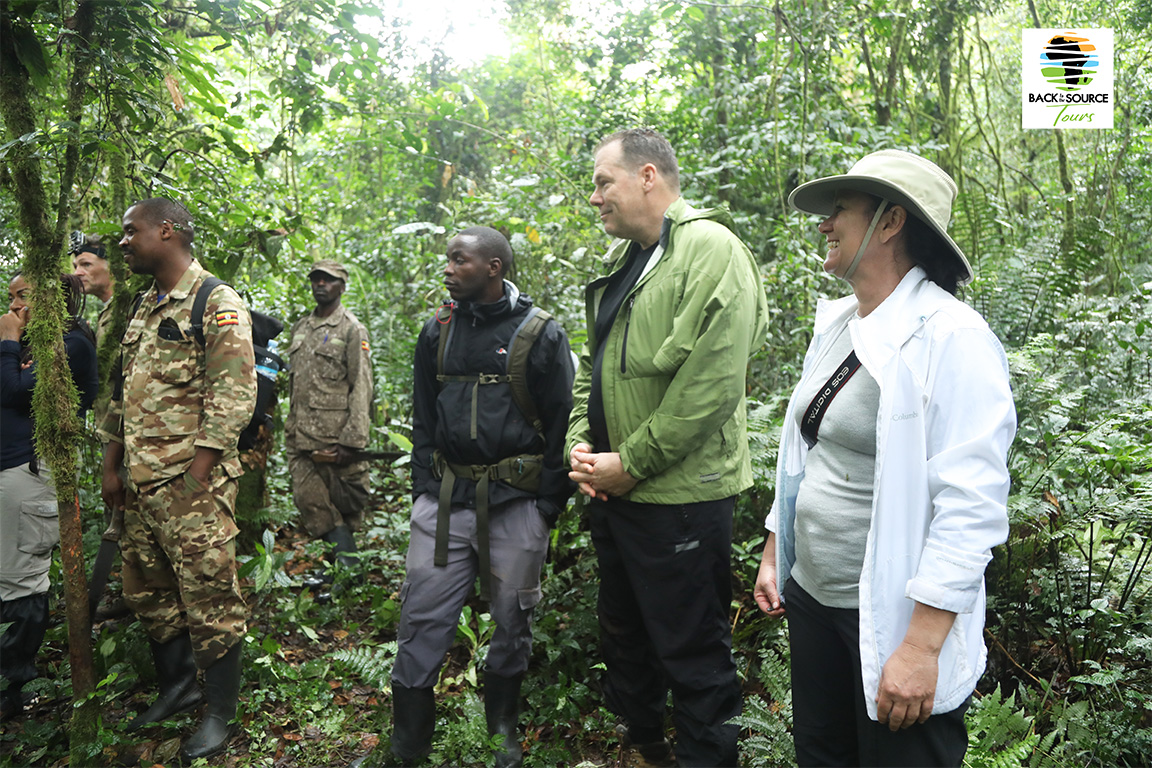
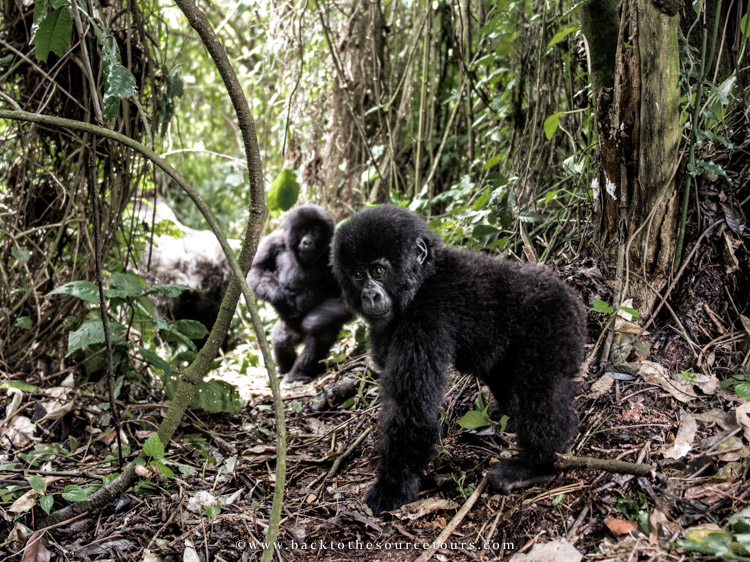
The gorillas/chimps you visit are habituated families. This means they have gone through a careful multi-year process of becoming accustomed to human presence under the supervision of professional rangers and trackers. These gorillas are completely comfortable with uniformed rangers, trackers, and tourists who follow briefing guidelines.
There is a deep respect between both species. Rangers are always present. Trackers monitor the gorillas daily. You are never alone in the forest.
You are entering their home calmly and respectfully, and they are accustomed to that rhythm.
Can You Choose the Difficulty Level?
Yes, and this is something many travelers do not realize.
Trackers go into the forest the day before and early each morning to locate the gorilla families. Based on where each family is moving, park officials assign trekking groups.
If you have knee concerns, prefer a shorter trek, or want something less strenuous, you can communicate this at the morning briefing. Rangers do their best to assign you to a gorilla family that is closer and easier to access.
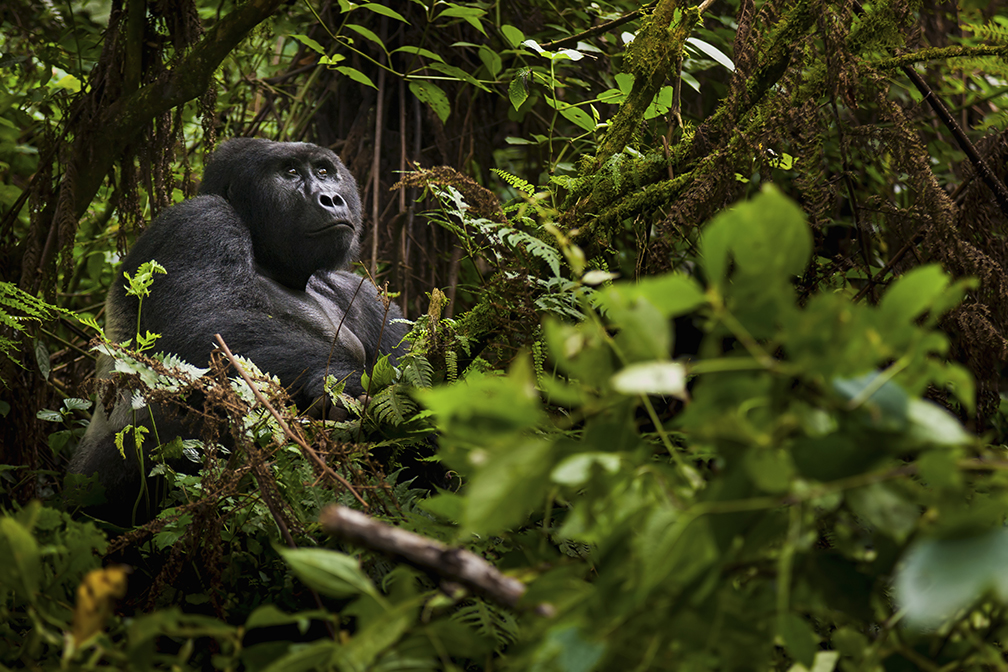
Some treks are 1 to 2 hours. Others can take 4 to 6 hours. The terrain is natural rainforest, so it varies daily.
You have options. You are not locked into a single difficulty level.


Lunch During the Trek
If your trek becomes longer than expected, there is no need to worry.
Your hotel will prepare a packed lunch and bottled water for you to carry in your daypack. Rangers will advise when it is appropriate to take a break. Many groups stop mid trek for a short rest before continuing toward the gorilla family.
You will not be rushing without support. The experience is paced thoughtfully.
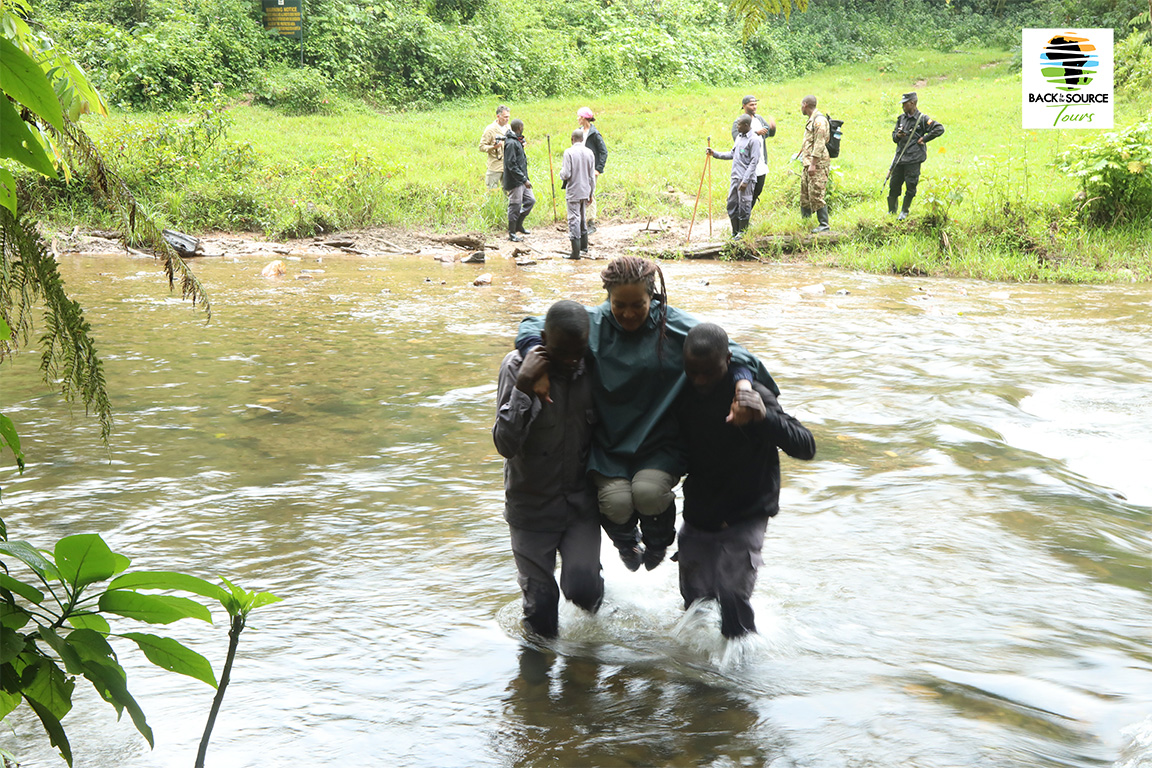
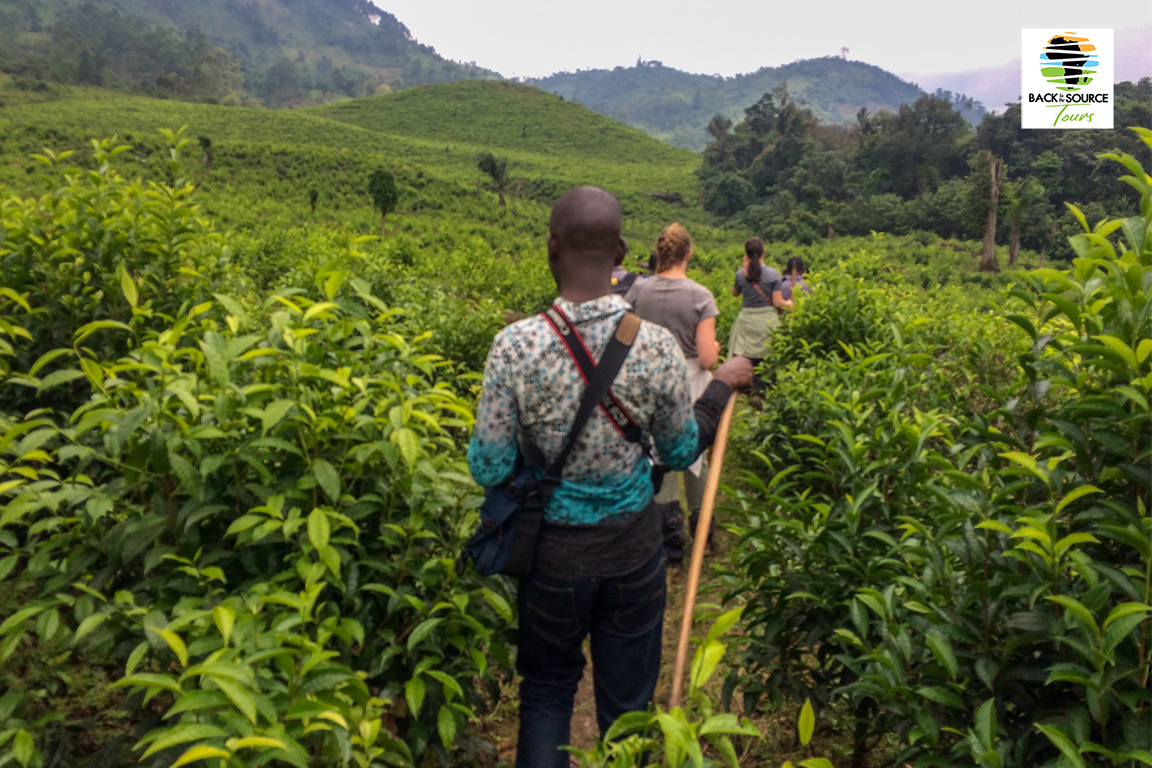
Highly Recommended: Hire a Porter
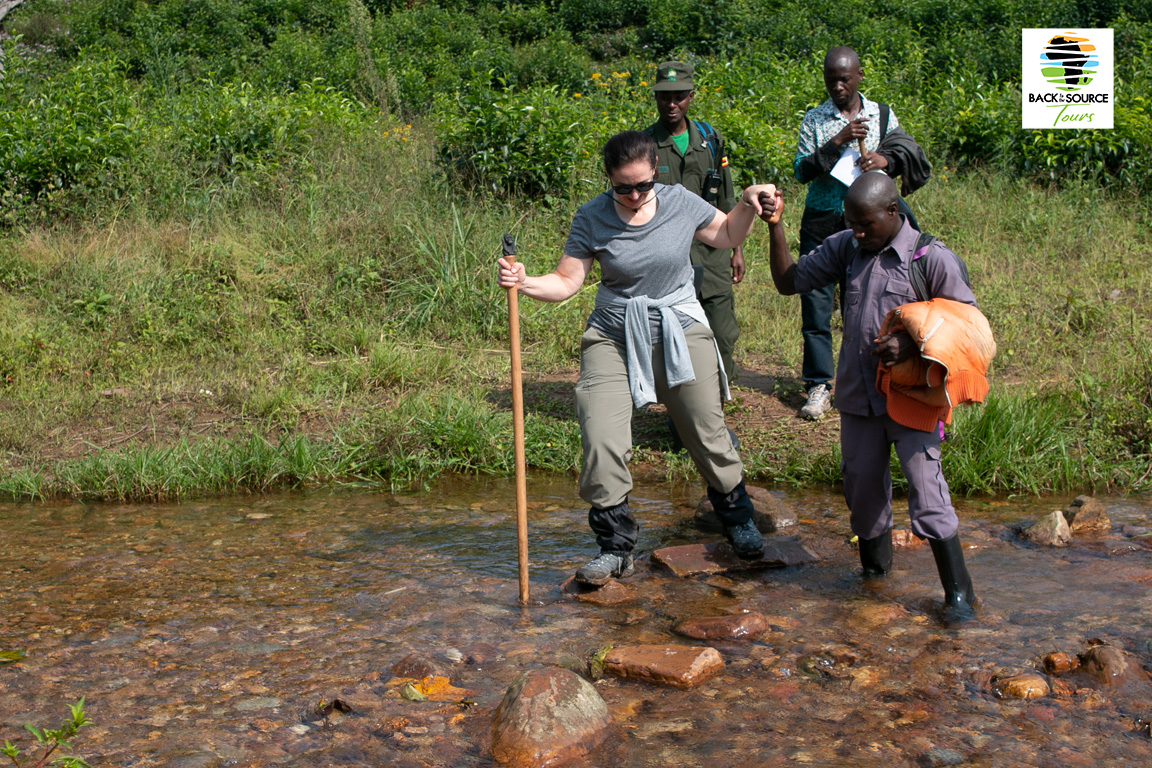
At the park headquarters before your trek, you will have the option to hace a porter. We strongly recommend this. We add the porters to our packages so no worries there.
A porter can:
• Carry your backpack
• Help you navigate steep or slippery sections
• Offer physical support during climbs and descents
• Clear light vegetation
• Allow you to conserve energy
Even very fit travelers choose to hire a porter. The cost is modest, and it directly supports local families in communities surrounding the park.
This is one of the smartest investments you can make in your comfort and safety.
Seasonal Expectations
Dry Season
June to September
December to February
Trails are generally firmer but still uneven and humid under canopy.
Wet Season
March to May
October to November
Expect mud. Expect moisture. Expect lush green forest and fewer crowds.
Both seasons offer incredible experiences. Preparation simply differs slightly.
The Moment That Makes It All Worth It
After the climb, after the mud, after the effort, the forest becomes quiet.
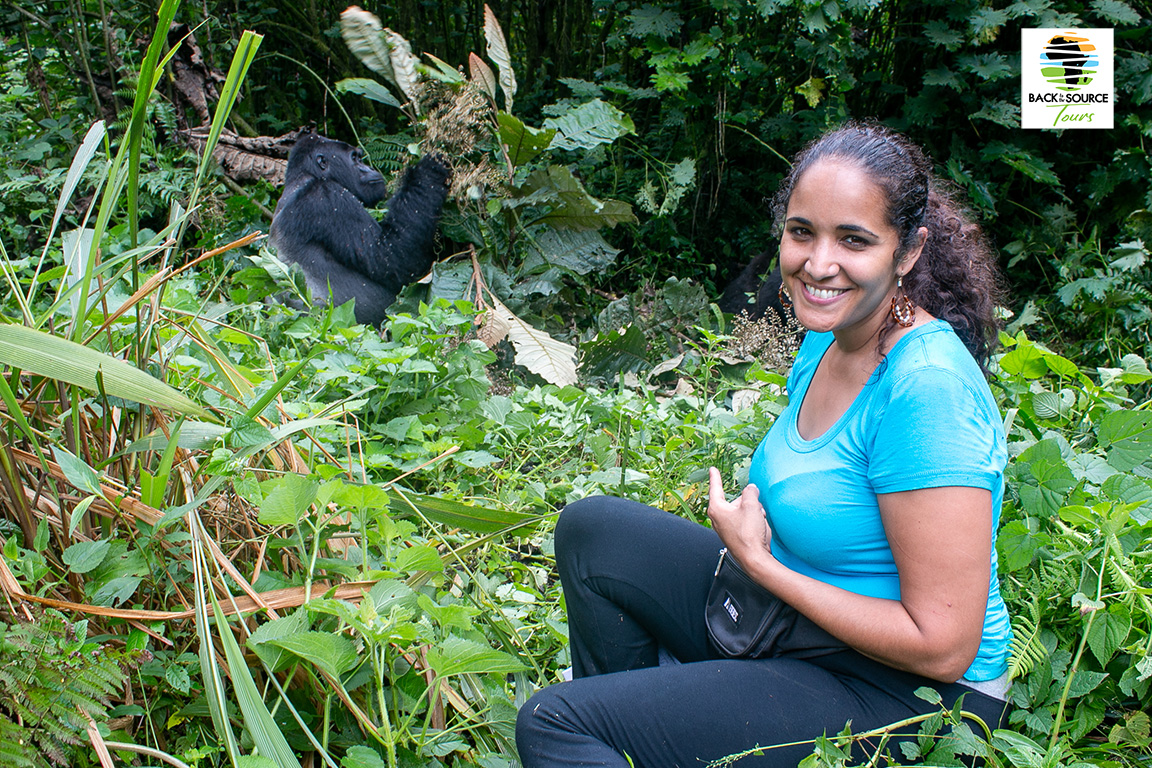
A silverback or chimp emerges. A mother cradles her infant. Juveniles tumble through vines.
You are just meters away.
One hour feels like minutes.
And you realize that every boot, every glove, every waterproof sock was worth it.
Plan this experience with Back to the Source Tours: East Africa Tour Packages, East Africa Group Tours, and/or Request Your East Africa Safari Quote.