

Traveling in East Africa is incredibly rewarding, but your electronics setup needs to be smarter than it would be for a short city break. Whether you are coming for gorilla trekking in Uganda, a Kenya safari, a Tanzania wildlife circuit, a Rwanda extension, or a beach-and-bush journey, the right devices and charging accessories can make your trip easier, safer, and far more comfortable.
This guide is designed for travelers heading to East Africa who want to stay powered, protect their gear, and avoid unnecessary stress. It focuses on the devices, chargers, adapters, and practical habits that matter most on safari and on multi-stop itineraries.
Why This Electronics Packing List Matters for East Africa Travel
One of the biggest mistakes travelers make is assuming that all lodges, camps, hotels, and transfer days will feel the same from an electronics point of view. In East Africa, your trip may include city hotels, safari lodges, small camps, domestic flights, road transfers, and boat or trekking days, all of which affect how and when you can charge your devices. The goal is not to expect problems everywhere, but to travel prepared enough that a weak charging setup never becomes the reason you miss photos, boarding documents, maps, or contact information.
For Uganda and Kenya, the most common standard is 240V, 50Hz, Type G. Tanzania commonly uses 230V, 50Hz, Type D and Type G. Rwanda uses 230V, 50Hz, Type C and Type J. That means travelers moving between countries, especially those combining Uganda or Kenya with Rwanda, are best served by a good universal travel adapter rather than relying on one country-specific plug.
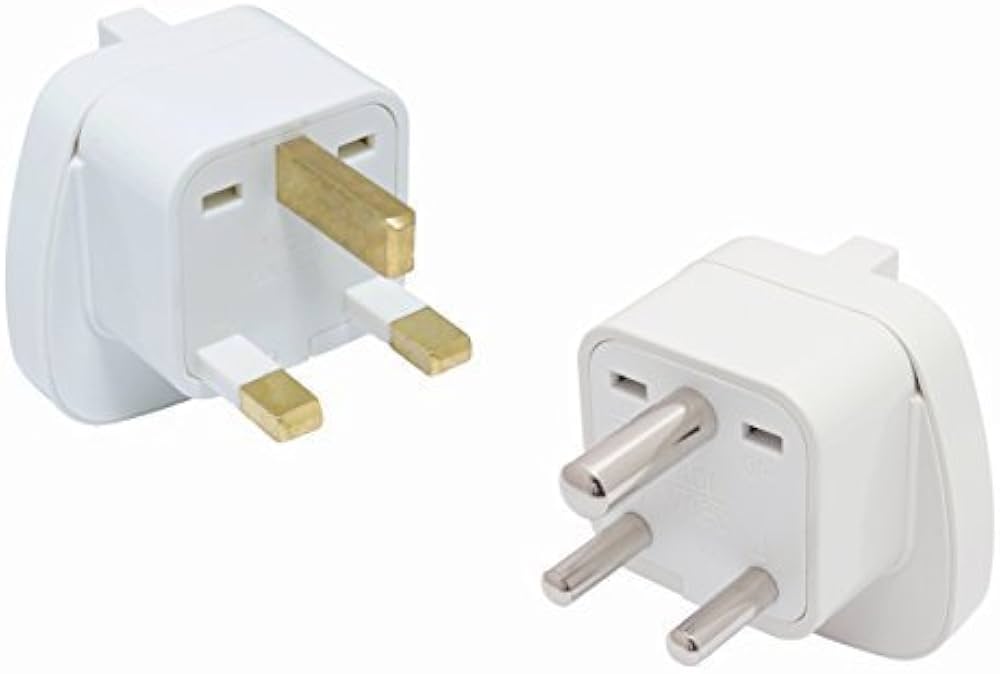
Many modern phones, camera chargers, laptops, tablets, and battery chargers are dual voltage, which means they usually work on 100 to 240V and only need the correct plug shape, not a voltage converter. You should always confirm that on the charger itself before you travel. Electrical Safety First explains that a travel adapter changes the connection to fit the socket, but it does not convert voltage.
East Africa Travel Electronics Packing List: What to Bring and What to Know
Traveling in East Africa is incredibly rewarding, but your electronics setup needs to be smarter than it would be for a short city break. Whether you are coming for gorilla trekking in Uganda, a Kenya safari, a Tanzania wildlife circuit, a Rwanda extension, or a beach-and-bush journey, the right devices and charging accessories can make your trip easier, safer, and far more comfortable.
This guide is designed for travelers heading to East Africa who want to stay powered, protect their gear, and avoid unnecessary stress. It focuses on the devices, chargers, adapters, and practical habits that matter most on safari and on multi-stop itineraries.
Electricity and Plug Basics in East Africa
The most practical choice for East Africa is a high-quality universal travel adapter from a trusted retailer. This is especially important if your itinerary crosses borders or includes overnight stays in different types of properties. Rwanda, in particular, uses different plug types from Uganda and Kenya, so a universal adapter saves you from carrying multiple single-country solutions.
Quality matters here more than many travelers realize. In 2025, Electrical Safety First reported that several travel adapters sold online failed safety tests, with some exposing live pins and creating electric shock or fire risks. Cheap, no-name adapters may look harmless, but this is not the category where saving a few dollars is worth the gamble. Buy one good adapter and, if you are bringing several devices, consider a second quality backup.
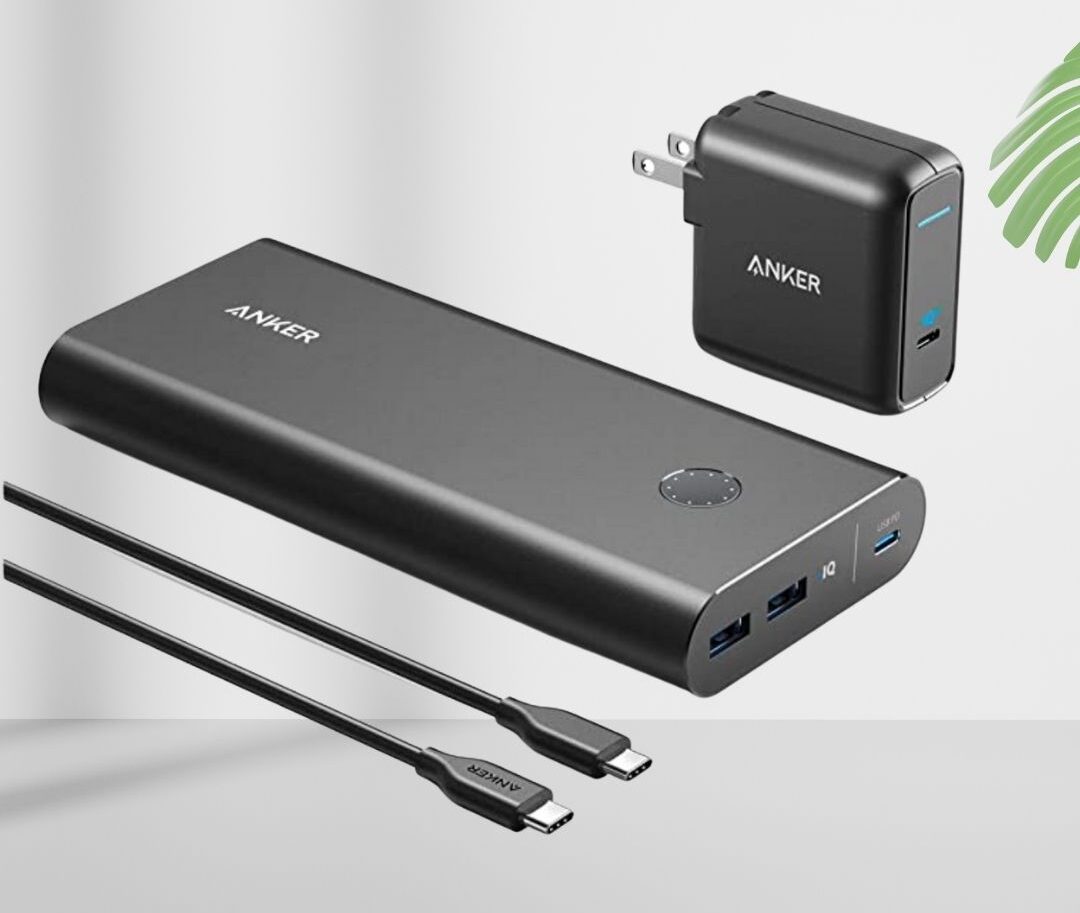
A compact multi-port USB or USB-C charger is also one of the smartest items you can pack. It helps when a room has limited outlets or when two travelers are sharing one charging area.
A universal adapter plus a multi-port charger is a much cleaner setup than trying to carry a tangle of individual plugs for every device.
The Most Important Electronics to Pack
The most useful electronics packing setup for East Africa usually includes:
- a universal travel adapter
- a power bank
- your main phone charger
- at least one spare cable
- a multi-port charger
- a headlamp or small flashlight
- any camera batteries and memory cards you truly need
- a phone with offline maps and travel documents downloaded
- a small pouch or organizer so your charging gear stays together
Your power bank is one of the most important items in this entire list. It is useful on long drives, at airports, on gorilla trekking days, on boat excursions, and any time you are using your phone for photos, maps, translation, hotspotting, or WhatsApp. Power banks and spare lithium batteries must be packed in carry-on baggage only, not in checked luggage, according to both IATA and TSA guidance. IATA also says spare batteries should be individually protected to prevent short circuits.
You should also bring extra charging cables. Cables fail, get misplaced, stay behind in vehicles, or stop charging properly at the worst possible moment. A spare cable is a small item that solves a disproportionately annoying problem.
If you travel with a camera, bring at least one extra battery and enough memory cards for the full trip. Depending on your safari style, you may go long stretches taking photos before you get around to backing anything up.
A headlamp or compact flashlight is also worth packing. It helps at camps, during early departures, and in cases where you simply want better visibility around outdoor properties after dark. Your current post already points in this direction, and that recommendation is worth keeping.
Power Banks, Charging, and Backup Power
The safest and smartest habit in East Africa is simple: charge whenever you have the chance. Do not wait until your phone is at 8 percent and your camera battery is blinking its last prayer.
Charge your phone, power bank, and camera batteries every night. Recharge during lunch breaks or transfer stops when practical. Keep your power bank in your day bag, not buried in checked luggage or the bottom of your main suitcase.
One important travel rule many people forget is this: power banks and spare lithium batteries belong in your carry-on baggage only. TSA says portable chargers and power banks containing lithium-ion batteries must be packed in carry-on bags, and IATA says articles whose main purpose is to provide power to another device, such as power banks, are treated as spare batteries and restricted to carry-on baggage only. IATA also says spare batteries should be individually protected, such as in original packaging, a protective pouch, or with terminals insulated.
If you are carrying large camera batteries, drone batteries, or unusually high-capacity power banks, check your airline’s rules before flying. Battery rules become more specific as capacity increases, and this is not the type of airport surprise anyone enjoys.
A car charger is also still a smart addition, especially on East Africa road trips. Your current post already recommends one, and that is a good call. If your itinerary includes long drives, a quality USB or USB-C car charger can quietly save the day more often than you expect.
Internet, SIM Cards, and Offline Travel Tools
Do not rely only on hotel or lodge Wi-Fi. Some properties have excellent internet, some have acceptable internet, and some are best described as trying their best in a landscape where a giraffe has stronger presence than your inbox.
A better strategy is to prepare your phone so it still helps you even when signal is weak. Before departure, download:
- offline maps
- airline apps
- booking confirmations
- safari itineraries
- hotel addresses
- emergency contacts
- any translation tools you may need
If your phone supports eSIM, that can make connectivity easier. If not, local SIM options may still be practical depending on your itinerary and arrival point. Either way, do not wait until you are already moving between destinations to think about access to maps and communication.
A spare phone is optional, but for some travelers it is genuinely useful. Your current post includes this recommendation, and it makes sense especially for longer or more remote itineraries, travelers who depend heavily on mobile banking or apps, or those carrying a lot of photo or work material. Keep it as a “good optional backup,” not a must-pack item.
What Not to Bring or Rely On
Not every device needs to come with you. Most travelers do not need:
- too many large speakers
- multiple bulky gadgets that solve the same problem
- cheap travel adapters from unknown brands
- extra devices with no real charging plan
- a suitcase full of electronics “just in case”
A solar charger can be useful in some situations, especially for travelers who spend extended time outdoors or in remote conditions, but it should be treated as optional backup gear, not a must-bring item for every traveler.
Final Tips Before You Fly
Before traveling to East Africa, do this final electronics check:
- confirm your charger voltage compatibility
- pack a high-quality universal adapter
- bring a power bank in your carry-on
- carry spare batteries in your carry-on and protect the terminals
- pack one extra cable
- bring a compact multi-port charger
- download maps and important travel documents offline
- keep your key electronics in hand luggage, not checked baggage
If you are flying with lithium batteries, power banks, or spare camera batteries, review your airline’s battery rules in advance. The general rule is simple, carry-on only, but details can vary depending on battery size and airline policy.
This may seem like a small part of trip planning, but it affects everything from photos and communication to boarding documents and safety. A strong electronics setup does not make your trip flashy. It makes your trip smooth, which is often far more valuable.
Plan Your East Africa Safari with Back to the Source Tours
Back to the Source Tours helps travelers prepare for East Africa with destination-specific guidance before departure, including safari logistics, activity planning, and practical travel advice for Uganda, Kenya, Tanzania, and Rwanda.