

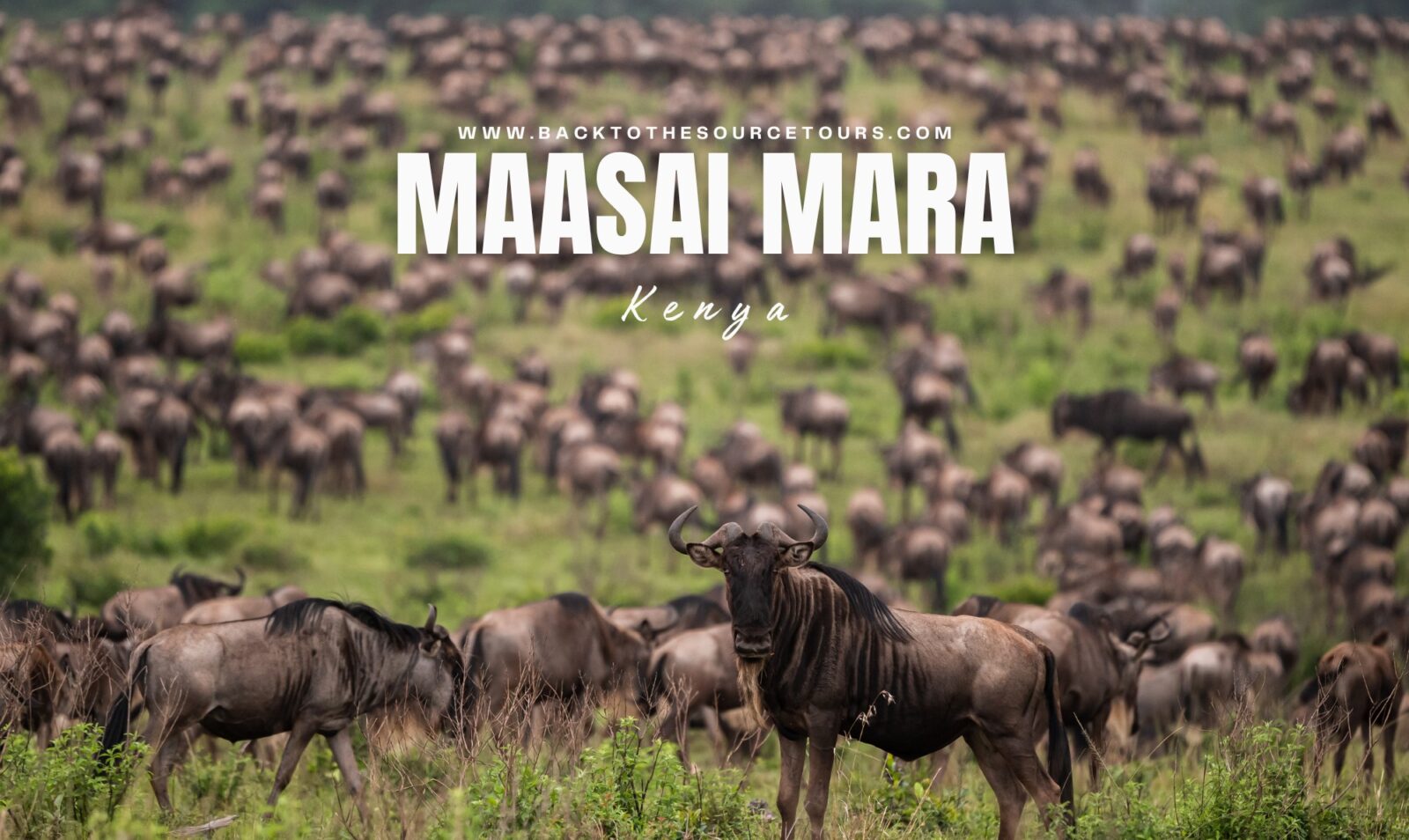
A Maasai Mara safari guide should help travelers understand where to go, explain the experience, when to travel, and how to plan each day well. This guide can provide all that information and more.
Maasai Mara National Reserve sits in southwest Kenya and forms part of the greater Mara Serengeti ecosystem. This landscape connects with Serengeti National Park in Tanzania, creating one of Africa’s most important wildlife regions.
Travelers come here for big cats, open savannah, dramatic skies, rich culture, and the seasonal Great Migration. However, the Mara also rewards guests who travel outside the busiest months.
Why Visit Maasai Mara National Reserve
Maasai Mara National Reserve gives travelers one of Africa’s most iconic safari experiences. The landscape feels wide, open, and alive from the first game drive.
Golden plains stretch toward the horizon. Meanwhile, acacia trees, riverbanks, and rolling grasslands create strong wildlife viewing opportunities throughout the year.
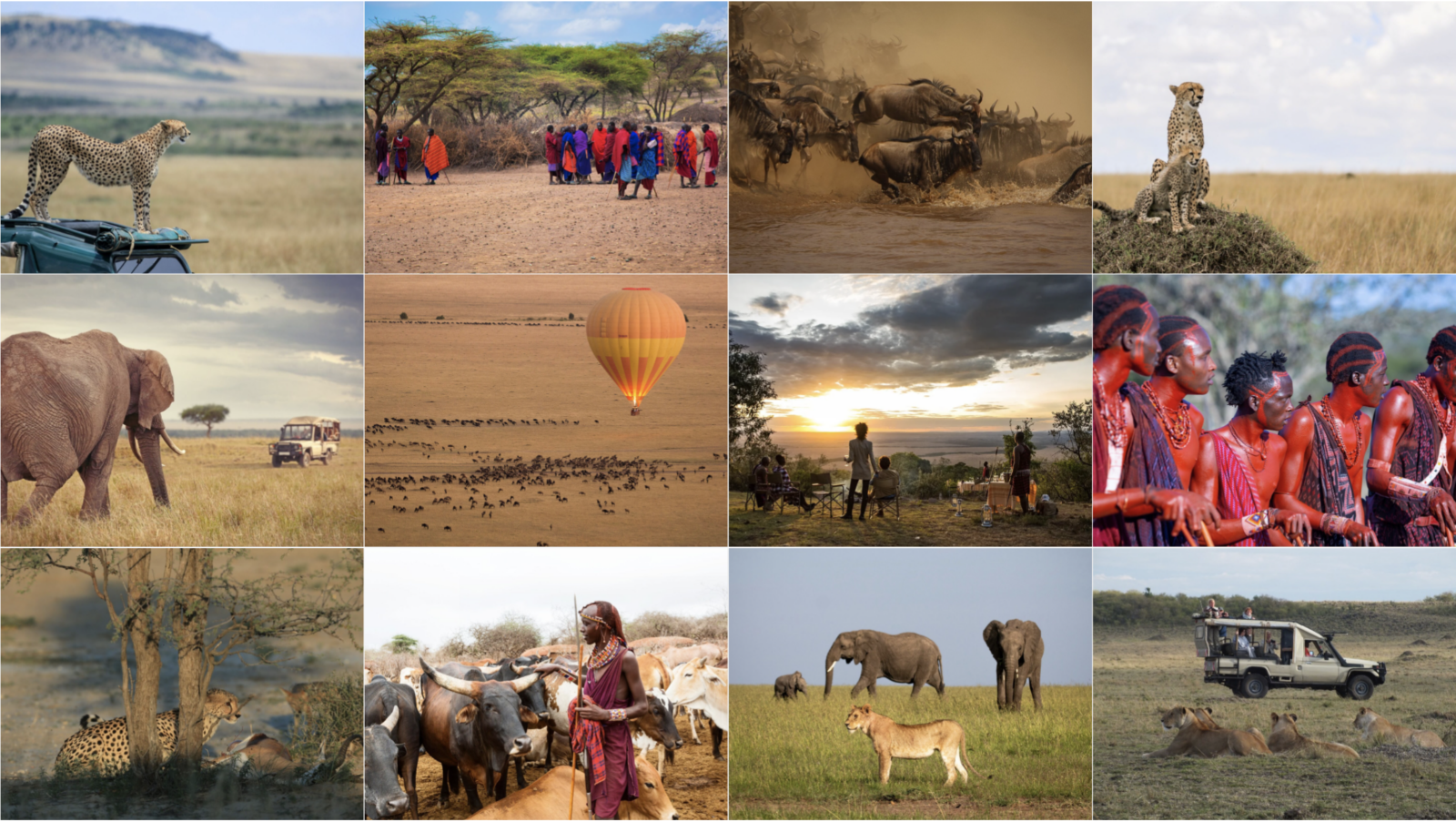
The reserve supports lions, cheetahs, leopards, elephants, buffaloes, giraffes, zebras, hippos, hyenas, antelope, and rich birdlife. In addition, the surrounding conservancies expand the wider safari experience.
Because wildlife moves across the ecosystem, every drive can feel different. A quiet morning can become a major sighting within minutes, which is why the Mara keeps travelers fully alert.
What Makes the Maasai Mara Special
The Maasai Mara works well for first time safari travelers and serious wildlife enthusiasts. It offers open visibility, skilled guiding, and strong chances for predator sightings.
At the same time, the region delivers cultural depth. The Maasai people have shaped the identity of this landscape through history, livestock traditions, beadwork, ceremonies, and community life.
A well planned safari can balance wildlife viewing with cultural connection.
Big Cats and Classic Safari Wildlife
The Mara ranks among the best places in East Africa for big cat viewing. Lions often move across the plains, while cheetahs use open spaces to scan for prey.
Leopards require more patience because they favor cover, riverine habitat, and quieter areas. Even so, the right guide can improve the experience through careful tracking.
Beyond predators, the Mara supports a strong mix of plains wildlife. Travelers may see elephants, giraffes, zebras, wildebeest, topi, impala, gazelles, buffaloes, and many bird species.
This variety gives every drive a strong rhythm. For example, one outing can include a lion sighting, a giraffe crossing, and a peaceful elephant herd.
The Great Migration in Kenya
The Great Migration in Kenya brings powerful seasonal movement into the Mara. Large herds of wildebeest and zebras move through the ecosystem as they follow fresh grazing.
River crossings attract the most attention because they bring tension, speed, and instinct into one scene. However, migration timing changes each year because rainfall shapes wildlife movement.
Many travelers plan migration safaris between July and October. Still, the Mara remains rewarding outside that window because resident wildlife stays active year round.
Back to the Source Tours helps travelers choose the right camp area, season, and route. As a result, the safari plan matches real expectations rather than calendar promises.
Maasai Culture and Community Visits
A Maasai Mara safari can also include cultural experiences with local Maasai communities. These visits may include beadwork, storytelling, traditional homes, dance, and community led interpretation.
The best cultural experiences feel respectful and well organized. They should create real connection, not staged interruption. In addition, community based tourism can support local income around wildlife areas. That matters because conservation works best when nearby communities benefit from responsible tourism.
Maasai Mara Conservancies and Private Safari Areas
The greater Maasai Mara includes the main reserve, private conservancies, community lands, and wildlife corridors. Together, these areas create a broader safari ecosystem.
Conservancies can offer a more private safari style. For example, travelers may experience fewer vehicles, flexible activity options, guided walks, sundowners, or night drives where permitted. By contrast, the main reserve often gives guests strong access to classic Mara scenery and key wildlife areas. It can also work well for migration focused travel.
Best Time to Visit the Maasai Mara
The best time to visit the Maasai Mara depends on your goals. If you want migration movement, July through October often attracts the most interest. However, the Mara offers strong wildlife viewing year round. Green season can bring beautiful scenery, fewer crowds, dramatic skies, and excellent photography conditions for wildlife viewing.
January, February, and March can also work well for travelers who want warmer weather and strong wildlife activity. April and May may bring more rain and lower demand.
Because every season has tradeoffs, we help guests choose travel dates carefully. Good planning protects your budget, comfort, and safari expectations.
Pair the Maasai Mara with Other East Africa Experiences
The Maasai Mara pairs beautifully with other destinations in Kenya and East Africa. Travelers can begin in Nairobi with wildlife and conservation experiences before flying to the Mara. In addition, a Kenya itinerary can include Samburu National Reserve, Amboseli, Diani Beach, or Mombasa.
For a stronger wildlife route, combine the Mara with Tanzania. This works well for travelers who want Serengeti National Park, Ngorongoro Crater, and the wider migration story.
Travelers who want rare primate experiences can add Uganda gorilla trekking after Kenya. This creates a powerful contrast between savannah wildlife and rainforest trekking.
Start Planning Your Kenya Safari