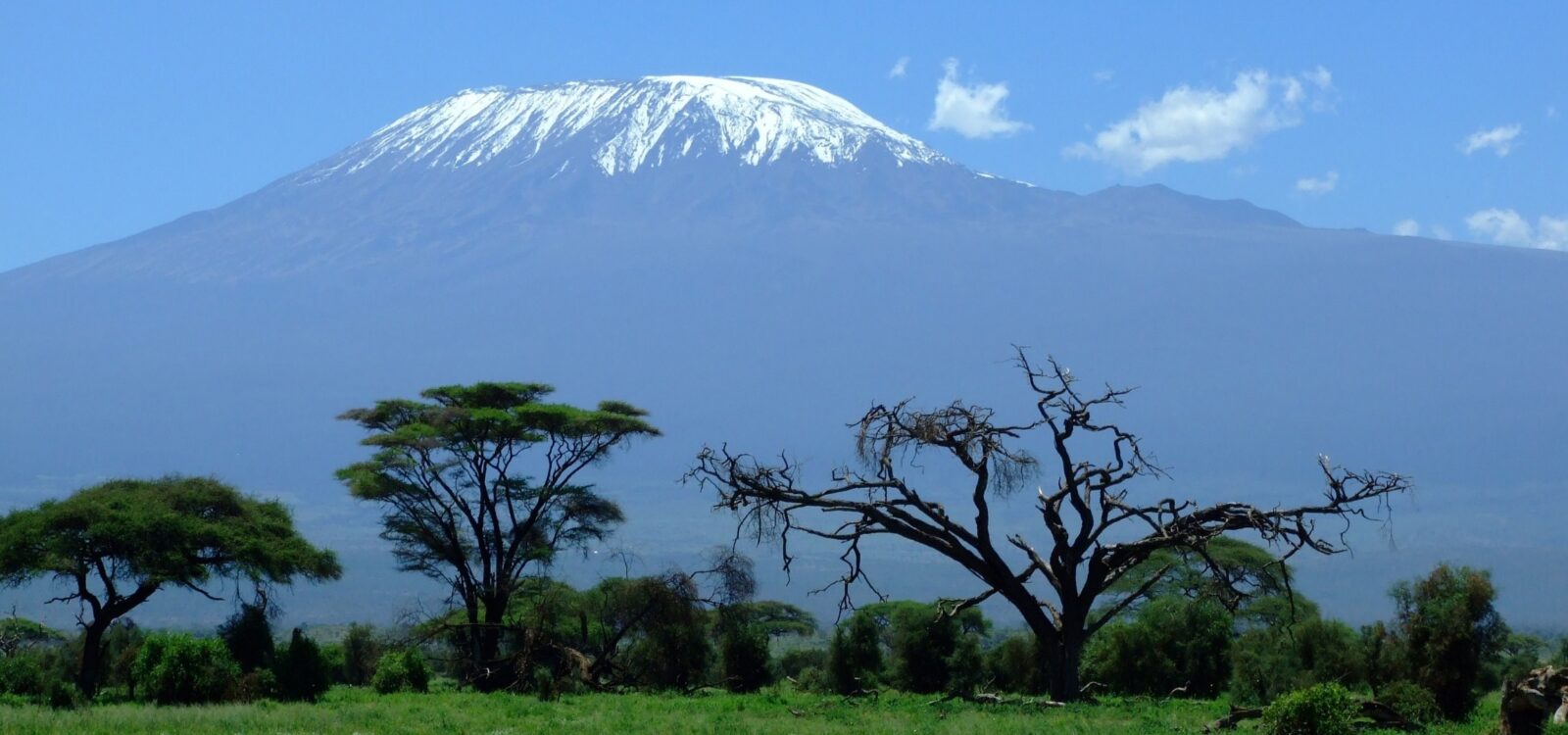

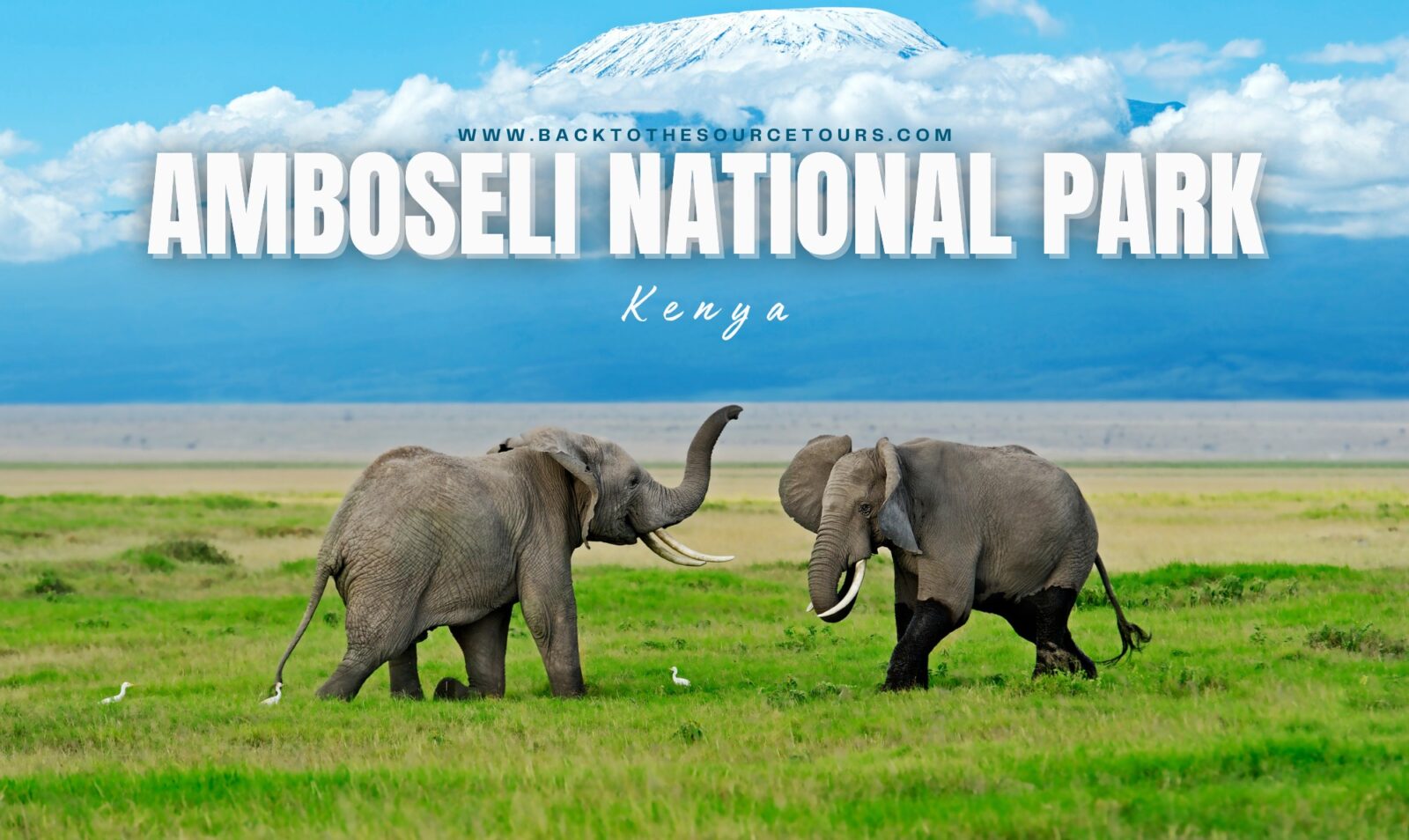
Amboseli National Park Kenya gives travelers one of East Africa’s most recognizable safari scenes: elephants crossing open plains beneath Mount Kilimanjaro. The park sits in southern Kenya near the Tanzania border, so its landscape feels wide, bright, and highly photographic. Although Kilimanjaro rises across the border in Tanzania, its shape defines the Amboseli skyline. This guide explains when to go, what to see, how to route your trip, and how to pair Amboseli with a wider Kenya wildlife safari.
Amboseli works well for travelers who value scenery as much as sightings. The park has open grasslands, seasonal lake beds, acacia woodland, marshes, and swamps that attract wildlife during dry months. Because the terrain stays relatively open, game drives can feel clear and rewarding. Elephants remain the headline, yet the full experience also includes lions, buffalo, giraffes, zebras, wildebeest, hyenas, jackals, hippos, and rich birdlife. For photographers, early morning light can turn a simple wildlife sighting into a frame worth bragging about responsibly.
Why Amboseli Belongs on a Kenya Safari
Amboseli National Park belongs on a Kenya safari because it offers a strong sense of place. Some parks impress through scale, while Amboseli impresses through clarity. You can see wildlife moving across flat plains, wetlands, and dusty lake beds with Mount Kilimanjaro behind them. That contrast gives the park a visual identity that travelers remember long after the game drive ends.
The park also suits travelers who want a slower, more focused wildlife experience. A visit does not need to chase every famous species in one day. Instead, Amboseli rewards patience, timing, and good guiding. Elephants may move toward the swamps during the day, while predators often become more active during cooler hours. As a result, strong planning matters more than rushing from one corner to another.
Is Amboseli Right for First Time Safari Travelers?
Amboseli works well for first time safari travelers because the landscape makes wildlife viewing easier to understand. Open plains help guests spot animals without needing years of safari experience. The park also gives a clear introduction to elephant behavior, family groups, feeding patterns, and movement around water. However, travelers should not treat Amboseli as a checklist park. Its strength comes from elephants, scenery, wetlands, birds, and the wider cultural landscape around the park.
What Wildlife Can You See in Amboseli?
Elephants define the Amboseli safari experience. Large family groups often move between dry plains and swamp areas, especially when water becomes limited elsewhere. Watching calves follow older females adds depth to the sighting because elephant society depends on memory, leadership, and family structure. Guides can also explain how elephants use the ecosystem and why water access shapes their daily movement.
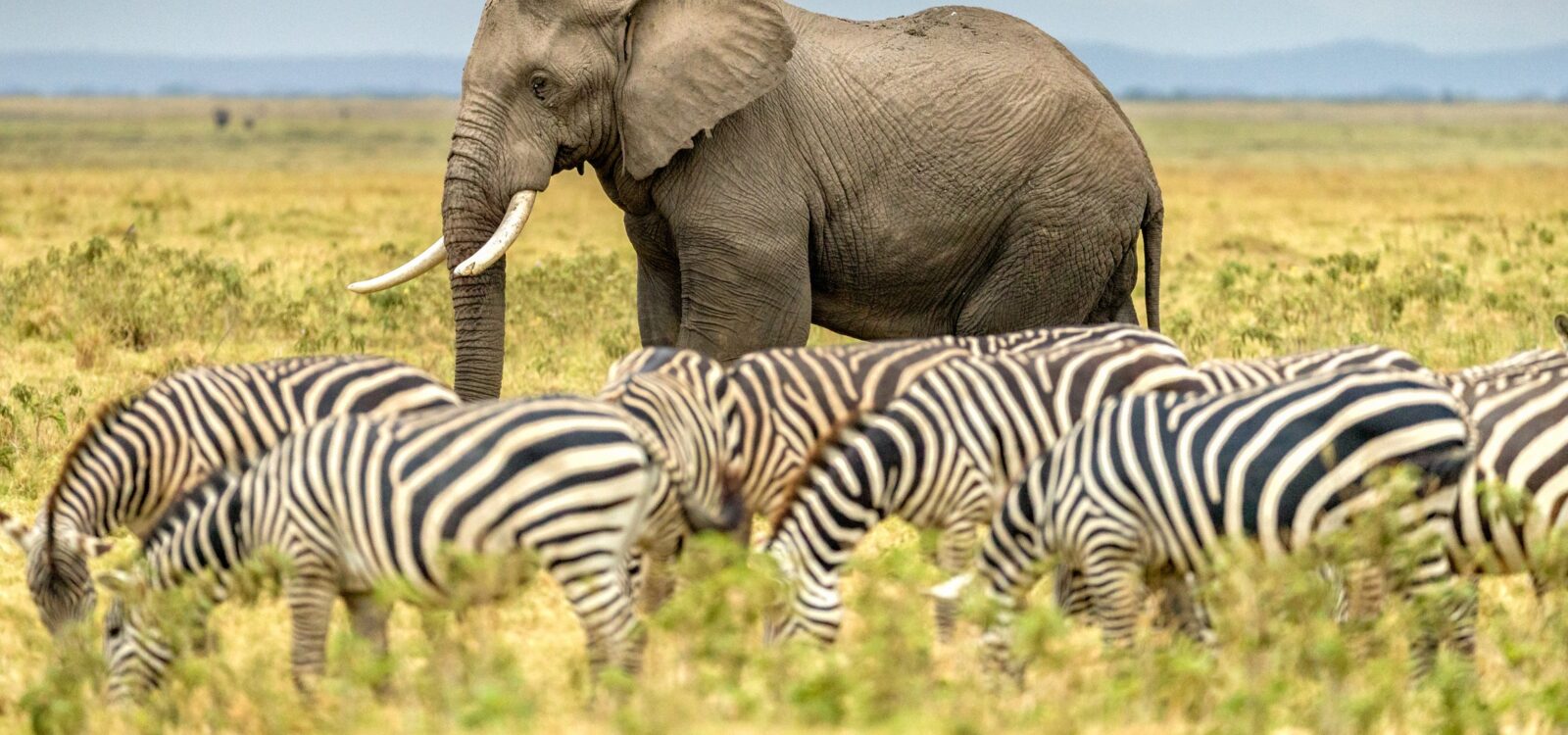
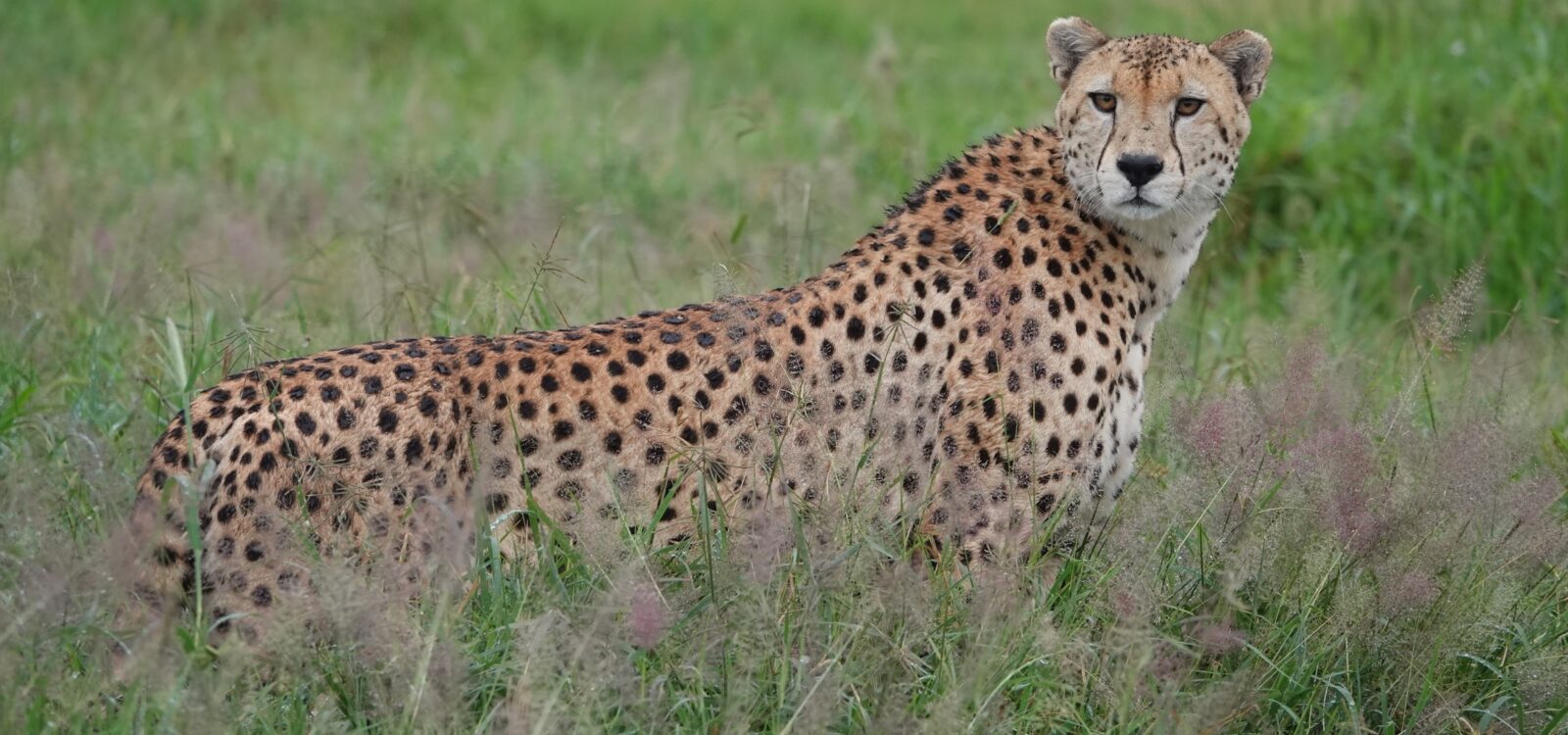
Beyond elephants, visitors may see lions, cheetahs, spotted hyenas, jackals, buffalo, hippos, giraffes, zebras, wildebeest, gazelles, impalas, and other plains wildlife. Leopard sightings can happen, although they remain less predictable. Birders also find strong variety around wetlands and open country. Pelicans, herons, egrets, kingfishers, raptors, bustards, and waterbirds can add excellent variety between larger mammal sightings.
Elephants and Photography in Amboseli
Amboseli elephant photography works best when travelers understand light and timing. Early morning often gives clearer views of Mount Kilimanjaro, while late afternoon can create warm color across the plains. Dust can also add drama when animals move in groups. A patient photographer will do better than a rushed one because elephants often create the best composition slowly. They do not care about your camera settings, which is rude but fair.
Wetlands Birds and Seasonal Water
Amboseli’s wetlands give the park life during dry periods. Swamps and marshes attract elephants, hippos, buffalo, birds, and plains wildlife searching for reliable water. Seasonal water also changes the mood of the landscape. During wetter months, green grass and bird activity can increase. During drier months, wildlife may concentrate more clearly around water sources. Because of this, each season creates a different safari rhythm.
Best Time to Visit Amboseli National Park
The best time to visit Amboseli National Park Kenya depends on your goal. Dry months often make wildlife viewing easier because animals gather near swamps and remaining water. Many travelers favor June to October and January to February for clearer game drive conditions. These months can also help photographers who want animals moving across open, dusty plains.
Wet seasons can still deliver strong travel value. The landscape becomes greener, birding improves, and the park can feel softer after rain. Roads may require more patience, and clouds can limit Kilimanjaro views. Still, travelers who enjoy fewer vehicles, dramatic skies, and active birdlife should not dismiss the green season. A good safari plan should match the season to the traveler, not force every guest into the same calendar box.
Best Time for Mount Kilimanjaro Views
Mount Kilimanjaro views often look strongest early in the morning or later in the day when clouds lift or soften. Since weather can change quickly, travelers should plan more than one game drive if the view matters. A single afternoon cannot guarantee the perfect mountain backdrop. Two or more well timed drives give photographers and wildlife lovers a better chance at the classic Amboseli scene.
How Many Days Do You Need in Amboseli?
Most travelers should plan at least two nights for a balanced Amboseli safari. One night can work when time is tight, but it often feels rushed. Two nights allow an afternoon drive, a full day of wildlife viewing, and an early morning attempt for Kilimanjaro views. That extra time also protects the experience if weather, road conditions, or wildlife movement shifts your plan.
Travelers with a deeper photography focus may want more time. Elephants may not cross the exact area you imagined on command, because apparently wildlife missed the memo. More time increases your chances of better light, stronger movement, and varied sightings. It also allows guides to adjust the route based on current conditions rather than chasing one fixed plan.i Fits in an East Africa Itinerary
Amboseli fits well into both short Kenya safaris and broader East Africa routes. For Kenya focused travel, it can pair with Nairobi, Maasai Mara, Tsavo, and Diani Beach. Travelers planning a beach extension can review this Kenya beaches travel guide for coast ideas after safari. This structure creates a strong contrast between dry plains, wildlife viewing, and Indian Ocean downtime.
Travelers combining Kenya with Uganda can use Amboseli as part of a wider conservation and wildlife route. A Kenya and Uganda itinerary can connect savannah wildlife with gorilla trekking in Bwindi, primate experiences, and community based travel. For a multi country example, review the 12 Day Uganda and Kenya Safari. This type of route gives travelers a fuller picture of East Africa without making every destination feel the same.
Final Planning Notes for Amboseli National Park Kenya
Amboseli National Park Kenya suits travelers who want elephants, open scenery, Kilimanjaro views, wetlands, birdlife, and strong photographic moments. It may not deliver the same predator density as some larger safari regions, yet it offers one of Kenya’s clearest visual identities. The park works best when travelers give it time, start early, and let the landscape set the pace. A smart Amboseli plan does not chase everything. It focuses on the right sightings, the right timing, and the right route.
Plan this experience with Back to the Source Tours: East Africa Tour Packages, East Africa Group Tours, and/or Request Your East Africa Safari Quote.