16 Day Tanzania Safari and Zanzibar Tour with Serengeti Migration
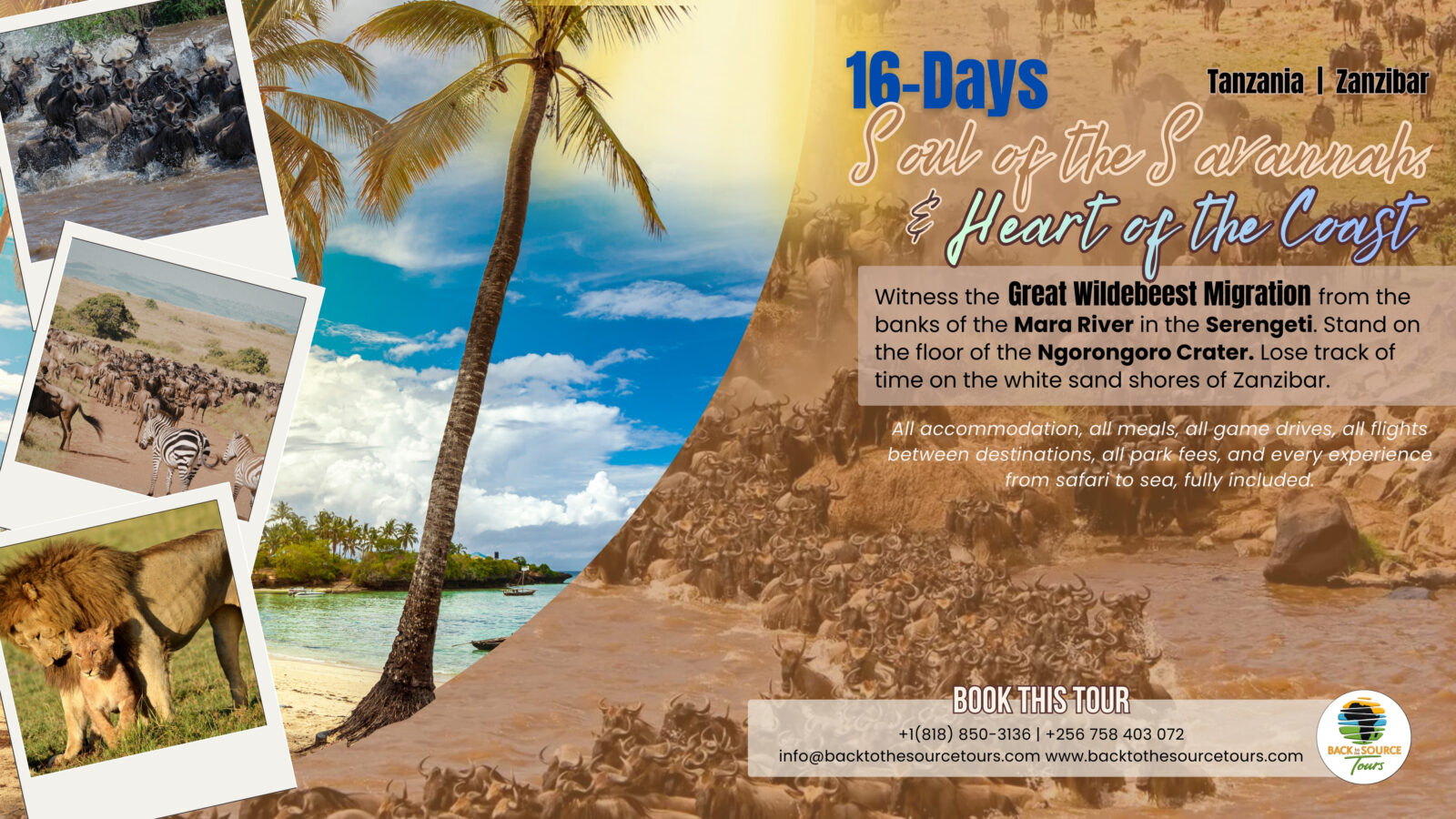
This 16 day Tanzania safari and Zanzibar tour combines Serengeti migration planning, Central Serengeti wildlife, the best seasonal migration zone, Ngorongoro Crater, Karatu highlands, Stone Town, Prison Island, Jozani Forest, Kendwa Beach, Nakupenda Sandbank, and Safari Blue. The journey begins in Arusha, moves into the Serengeti National Park, continues to the Ngorongoro Conservation Area, then finishes with the culture and coast of Zanzibar.
Back to the Source Tours plans this itinerary for travelers who want a serious Tanzania safari with a complete island finish. The tour rate reflects the listed activities and included experiences. If travelers prefer to remove selected activities, the final rate can be adjusted where supplier rules, flight terms, park fees, marine conditions, and route logistics allow.
Tour Summary
- Tour length: 16 days and 15 nights.
- Main destinations: Arusha, Central Serengeti, seasonal migration zone, Ngorongoro Crater, Karatu, Stone Town, Prison Island, Jozani Forest, Kendwa Beach, Nakupenda Sandbank, and Safari Blue.
- Starting point: Arusha or Kilimanjaro International Airport, Tanzania.
- Tour type: Tanzania wildlife, migration, culture, and Zanzibar beach holiday.
- Main experiences: Serengeti game drives, seasonal migration positioning, Ngorongoro Crater safari, Karatu culture, Stone Town, spice farm, Jozani Forest, sandbank excursion, dhow sailing, snorkeling, and beach time.
- Best for: Couples, honeymoon travelers, photographers, private groups, families, wildlife lovers, and travelers who want safari plus coast.
- Accommodation level: Upper mid range estimate, with luxury and mid range options available.
Trip Highlights
- Begin in Arusha, Tanzania’s northern safari gateway and a practical launch point for the Serengeti.
- Explore Central Serengeti for resident wildlife, big cats, kopjes, river valleys, elephants, giraffes, buffaloes, hippos, and birdlife.
- Follow the best seasonal Serengeti migration zone based on your travel month, rainfall patterns, herd movement, and camp availability.
- Spend several days in the Serengeti so the safari has time to build beyond one quick game drive.
- Descend into Ngorongoro Crater for a concentrated wildlife day in one of East Africa’s most dramatic natural settings.
- Enjoy Karatu highland culture through coffee farms, village experiences, local food, and a softer pace after safari.
- Fly to Zanzibar for Stone Town, Prison Island, spice culture, Jozani Forest, Kendwa Beach, Nakupenda Sandbank, and Safari Blue.
- Finish on the Indian Ocean with swimming, snorkeling, dhow sailing, beach time, seafood, and coastal atmosphere.
Who This Tour Is Best For
This tour suits travelers who want Tanzania with real depth. It works especially well for guests who want enough time in the Serengeti to follow wildlife movement and still enjoy Zanzibar without rushing the island section. The itinerary includes active safari days, flights, cultural visits, boat excursions, beach time, and marine activities, so travelers should expect variety and strong daily structure.
- Migration focused travelers who want the Serengeti zone matched to their travel month.
- Couples and honeymoon travelers who want safari intensity followed by a coastal finish.
- Photographers who want plains, predators, crater landscapes, island culture, beaches, and ocean light.
- Families and private groups that need clear planning, strong logistics, and varied activity pacing.
- Travelers comparing Tanzania with Kenya or Uganda who want one complete safari and beach route
Tour Pricing and Seasonal Quote Planning
This Tanzania safari and Zanzibar tour is quoted after consultation because the final price depends heavily on season, migration zone, camp location, internal flights, vehicle type, Zanzibar beach base, meal plans, room category, and selected activities. A fixed public price would be less useful than an accurate quote. Precision beats guesswork, especially when the Serengeti is involved.
The package rate reflects the listed activities and current itinerary structure. If travelers remove selected activities, the final rate may reduce where supplier rules, park fees, flight terms, marine conditions, timing, and logistics make that possible. Some costs may remain fixed once camps, flights, rooms, permits, and supplier deposits are confirmed.
Flights, Safari Routing and Travel Flow
This itinerary uses internal flights where they protect time and improve the route. Tanzania’s northern circuit and Zanzibar can involve long distances, so flying between key points may reduce fatigue and give travelers more meaningful time in the field or on the island. Road transfers still matter, especially around Arusha, Ngorongoro, Karatu, and selected Serengeti zones.
Migration planning shapes the safari flow. Depending on your travel month, the strongest zone may be Ndutu, Central Serengeti, the Western Corridor, or Northern Serengeti. Camp location is a strategy, not a decoration. The wildlife does not follow a brochure, and that is why route design matters.
These are the direct websites to apply for your Tanzania visa: http://tanzaniatourism.go.tz
Booking Deposit and Payment Planning
A 40 percent deposit is required to secure this safari. Your deposit supports accommodation, internal flights, airport transfers, guides, safari vehicle logistics, park arrangements, Zanzibar transfers, activity partners, and supplier confirmations. Preferred payment is bank wire transfer, and credit card payment can be arranged through Pesapal when travelers accept applicable processing fees.
Your confirmed proposal will outline final inclusions, exclusions, payment schedule, accommodation category, flight routing, and activity selection. This itinerary moves through safari country, highlands, Stone Town, beaches, and marine excursions, so early planning helps protect preferred camps, room categories, guides, flights, and activity timing.
Accommodation and Activity Flexibility
Back to the Source Tours works with trusted accommodation partners across luxury, upper mid range, and mid range quality options. The final selection can include tented camps, safari lodges, boutique hotels, beach resorts, or private villa style stays. The best match depends on migration zone, location, room category, service level, beach preference, season, and comfort style.
This tour includes several planned experiences, including Serengeti game drives, seasonal migration routing, Ngorongoro Crater, Karatu highlands, Stone Town, Prison Island, spice farm, Jozani Forest, Kendwa Beach, Nakupenda Sandbank, and Safari Blue. Travelers who prefer a simpler route can remove selected activities, and the final quote can be adjusted where possible.
Day 1: Arrival in Arusha
Your journey begins in Arusha, Tanzania’s northern safari gateway. Your arrival team welcomes you at the airport and assists with a private transfer to your confirmed hotel. This first evening stays intentionally calm so you can rest from international travel, settle into the time zone, and prepare for the Serengeti section.
If you arrive early, a light Arusha activity can be arranged depending on timing. Options may include local markets, coffee, cultural stops, craft shopping, or a relaxed dinner. Your guide can also review luggage guidance, flight timing, wildlife expectations, migration zone logic, and the overall safari flow before the journey moves into the bush.
Day 1 Included Experiences
- Meet and greet support at the confirmed Tanzania arrival airport.
- Private airport transfer to your confirmed Arusha hotel.
- Rest time in Arusha after international travel.
- Optional light Arusha activity when arrival timing allows.
- Safari briefing for route timing, flights, luggage, and next day departure.
Day 2: Fly to Central Serengeti and First Game Drive
After breakfast, transfer for your scheduled flight toward the Serengeti National Park. The flight gives you a fast and scenic introduction to Tanzania’s safari landscapes. On arrival, your guide welcomes you at the airstrip and begins the transfer into wildlife country.
The first game drive introduces the open plains, kopjes, river valleys, and resident wildlife of the Central Serengeti. Your guide searches for lions, leopards, cheetahs, elephants, giraffes, buffaloes, hippos, hyenas, zebras, wildebeest, antelope, and birds. After check in, the evening settles into the rhythm of camp life under Serengeti skies.
Day 2 Included Experiences
- Breakfast in Arusha before departure.
- Transfer to the departure airport or airstrip.
- Scenic flight to the Serengeti according to the confirmed schedule.
- Airstrip meet and greet by your safari guide.
- First Serengeti game drive en route to camp.
- Dinner and overnight in the Central Serengeti according to the confirmed package.
Day 3: Full Day Safari in Central Serengeti
Wake early for a full day in the Central Serengeti. Morning light often brings excellent predator movement and strong photography conditions. Your guide may search around kopjes for lions, riverine trees for leopards, open plains for cheetahs, and water sources for elephants, hippos, buffaloes, and birds.
A picnic or bush lunch can keep you in the field when sightings reward patience. The Seronera region can deliver strong resident wildlife throughout the year, which makes it valuable even outside peak migration moments. Later, the afternoon drive shifts with the light, temperature, fresh tracks, and animal movement.
Day 3 Included Experiences
- Early morning game drive in the Central Serengeti.
- Wildlife viewing for big cats, elephants, giraffes, buffaloes, hippos, antelope, and birds.
- Picnic or bush lunch according to the confirmed plan.
- Afternoon game drive based on guide strategy and sightings.
- Second night in the Serengeti with dinner at camp.
Day 4: Transfer to the Best Serengeti Migration Zone
After a final morning drive in the central region, continue toward the migration zone that best matches your travel dates. This may mean Ndutu, the Western Corridor, Northern Serengeti, or another strategically placed camp area. The transfer may happen by scheduled bush flight or road, depending on season and routing.
Your new camp places you closer to the strongest wildlife movement for your dates. The afternoon game drive introduces the new terrain. Your guide begins reading herd movement, predator territories, river levels, grass conditions, recent sightings, and weather patterns. This is where migration planning starts working like a field strategy.
Day 4 Included Experiences
- Breakfast in the Central Serengeti before departure.
- Morning game drive or scenic transfer according to the route.
- Move to the best seasonal migration zone based on travel month and camp availability.
- Road transfer or bush flight according to the confirmed package.
- Afternoon game drive in the new Serengeti region.
Day 5: Full Safari Day in the Migration Zone
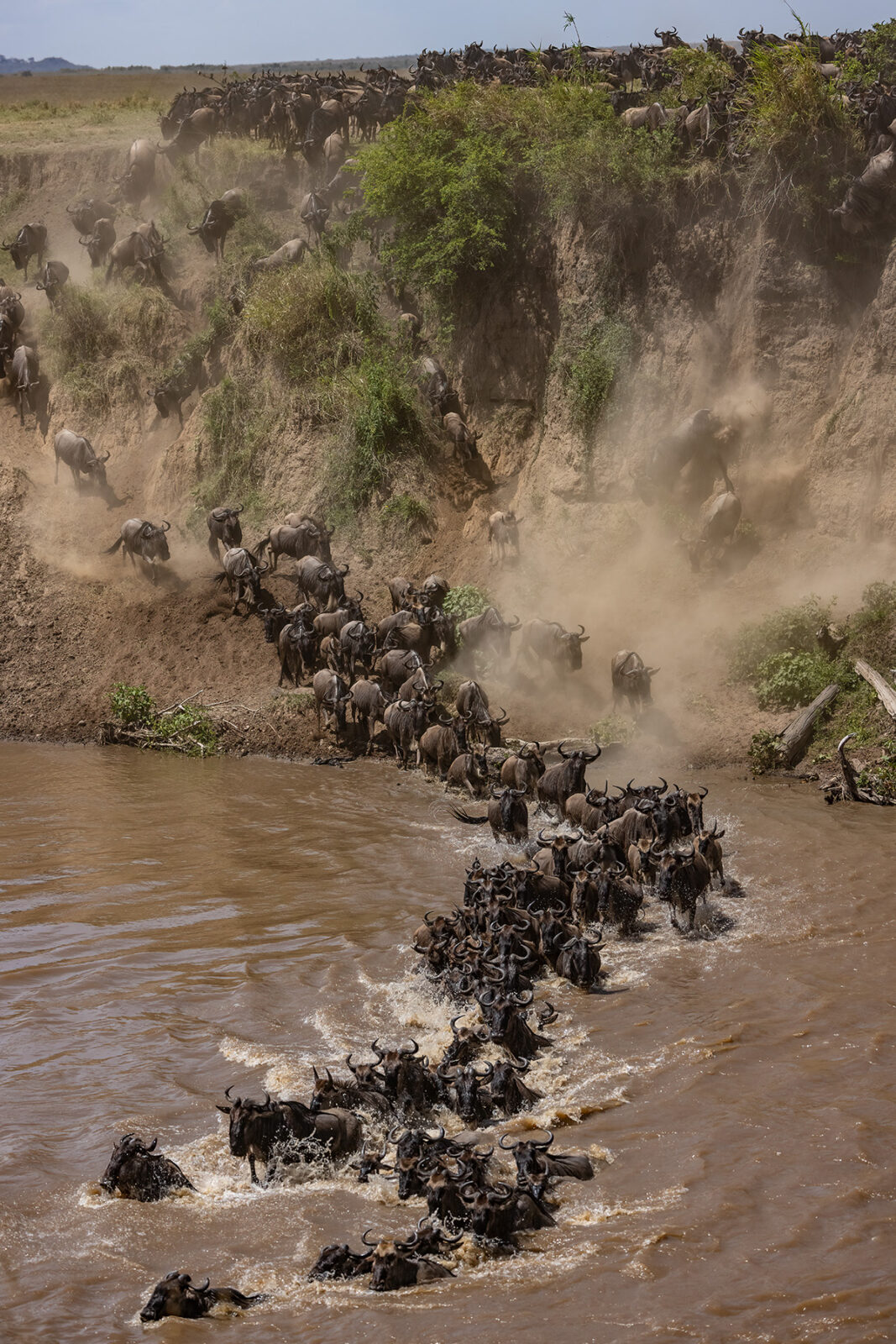
Today focuses on the Great Wildebeest Migration and the predators that follow the herds. Your guide adjusts the day around herd location, weather, tracks, river conditions, and recent sightings. The plan changes in the field because the migration rewards patience, flexibility, and strong local knowledge.
During December to March, the strongest focus may shift toward Ndutu and the southern plains, where calving season can bring newborn wildebeest and active predators. During July to October, the focus may move north toward river crossing areas. No crossing can be guaranteed, but expert positioning improves the experience.
Day 5 Included Experiences
- Early morning game drive in the seasonal migration zone.
- Migration focused wildlife viewing based on herd movement and guide updates.
- Predator tracking for lions, cheetahs, leopards, hyenas, and jackals when conditions allow.
- Picnic or camp lunch according to the confirmed plan.
- Afternoon game drive with flexible route planning.
Day 6: Second Full Safari Day in the Migration Zone
A second full day gives the migration zone room to unfold. One day may bring scattered herds, while the next may reveal major movement, predator interaction, or stronger river activity. Your guide uses knowledge from the previous day to refine the route and choose the strongest wildlife areas.
This day can also focus on resident wildlife, birds, smaller predators, kopjes, river valleys, or quieter tracks away from busy routes. The Serengeti is not only the migration. It is a living ecosystem with constant behavior, subtle signs, and dramatic moments. Good guiding turns those details into a better safari.
Day 6 Included Experiences
- Full day safari in the confirmed migration zone.
- Wildlife tracking based on herd movement, predator signs, and guide knowledge.
- Photography time during stronger morning and afternoon light.
- Flexible lunch plan depending on sightings and route strategy.
- Evening at camp in the Serengeti migration zone.
Day 7: Final Full Day in the Serengeti Migration Zone
Your final full day in the migration zone gives your guide the benefit of accumulated field knowledge. Recent tracks, herd movement, river conditions, and predator patterns now carry more context. The morning may focus on active riverbanks, calving plains, grazing herds, kopjes, or predator territories.
This day often rewards travelers who understand that safari success comes from time and attention. A lion pride may shift position, a herd may gather, or a cheetah may begin to hunt. Later, return to camp for one final evening in the Serengeti. Dinner, campfire conversation, and open sky close the migration section with quiet force.
Day 7 Included Experiences
- Final full day safari in the seasonal migration zone.
- Guide led tracking strategy based on the previous days’ sightings.
- Wildlife viewing for migration herds, predators, resident animals, and birdlife.
- Lunch in camp or in the field according to the confirmed plan.
- Final Serengeti evening in the migration zone.
Day 8: Serengeti to Ngorongoro Conservation Area
After breakfast and a final game drive, begin the transfer toward the Ngorongoro Conservation Area. Depending on your migration zone, the route may include a short flight, a scenic road transfer, or a combination of both. If timing allows, travelers can add a stop at Olduvai Gorge for archaeological and historical context.
The arrival near the crater rim creates a dramatic shift. Open plains give way to highland forest, cooler air, sweeping viewpoints, and a completely different atmosphere. Dinner takes place near the crater region or in the Karatu highlands, depending on the confirmed route and accommodation plan.
Day 8 Included Experiences
- Breakfast in the Serengeti before departure.
- Final Serengeti game drive or scenic transfer.
- Road transfer or flight toward Ngorongoro according to the confirmed package.
- Optional Olduvai Gorge visit when timing and route allow.
- Dinner and overnight near Ngorongoro or Karatu according to the final plan.
Day 9: Full Day Ngorongoro Crater Safari
Today begins with an early descent into Ngorongoro Crater. The road drops through forest before the crater floor opens into a wide, unforgettable sweep. The landscape supports rich wildlife within a contained and visually dramatic setting, which makes the day feel intense and rewarding.
You may see lions, elephants, buffaloes, zebras, wildebeest, hippos, hyenas, flamingos, and black rhinos. Grasslands, marshes, woodlands, springs, and lake edges create different wildlife pockets within a relatively compact area. Enjoy a picnic lunch on the crater floor before continuing the drive and returning to your lodge.
Day 9 Included Experiences
- Early breakfast before the crater descent.
- Ngorongoro Crater safari with guided wildlife viewing.
- Picnic lunch on or near the crater floor according to the final plan.
- Wildlife viewing for lions, elephants, buffaloes, zebras, wildebeest, hippos, hyenas, flamingos, and possible black rhinos.
- Return to the lodge for dinner and overnight.
Transfer Blocks
Flight
Northern Migration Zone Airstrip → Seronera or Arusha area
Approx. 30 to 45 minutes
Flying back from the northern zone is strongly recommended. The overland journey is a full day and adds no wildlife value.
Road Transfer
Central Serengeti area or Ndutu → Ngorongoro Crater Rim
Approx. 3 to 4 hours
Road transfer through the Conservation Area. Wildlife viewing en route. The crater rim arrival earns every minute of the drive.
Day 10: Second Crater Morning and Karatu Highlands
A second morning near Ngorongoro Crater improves the experience because light, timing, and access can change the quality of the drive. Your guide can focus on areas missed or rushed the previous day. The plan may target rhino territory, elephant woodland, predator routes, lake edges, or marsh habitats.
After the morning crater experience, the day shifts toward the Karatu highlands. Coffee farms, village life, gardens, and local food bring a different texture to the journey. A guided coffee farm visit can show cultivation, drying, roasting, and tasting. A village walk can add daily life, local enterprise, and human context.
Day 10 Included Experiences
- Second Ngorongoro or highland morning according to the confirmed route.
- Targeted wildlife viewing based on guide strategy and previous sightings.
- Karatu highlands experience with coffee, village life, gardens, or local food when included.
- Relaxed afternoon after several active safari days.
- Dinner and overnight near Karatu or Arusha region according to the final plan.
Day 11: Fly from Arusha to Zanzibar and Arrive in Stone Town
After breakfast, transfer toward Arusha or the confirmed departure airport for your flight to Zanzibar. The journey shifts from highland safari country to the Indian Ocean. From the aircraft, Zanzibar often appears in layers of green, white, and blue.
On arrival, your driver transfers you to your confirmed Stone Town hotel. The afternoon gives you time to rest, walk near the seafront, or enjoy the hotel. As evening arrives, consider Forodhani Gardens for local food and waterfront energy, if timing and interest allow.
Day 11 Included Experiences
- Breakfast before departure from the safari region.
- Private transfer to the airport for the Zanzibar flight.
- Flight to Zanzibar according to the confirmed schedule.
- Private transfer to Stone Town.
- Evening at leisure near the waterfront or hotel.
Day 12: Stone Town Walking Tour and Prison Island
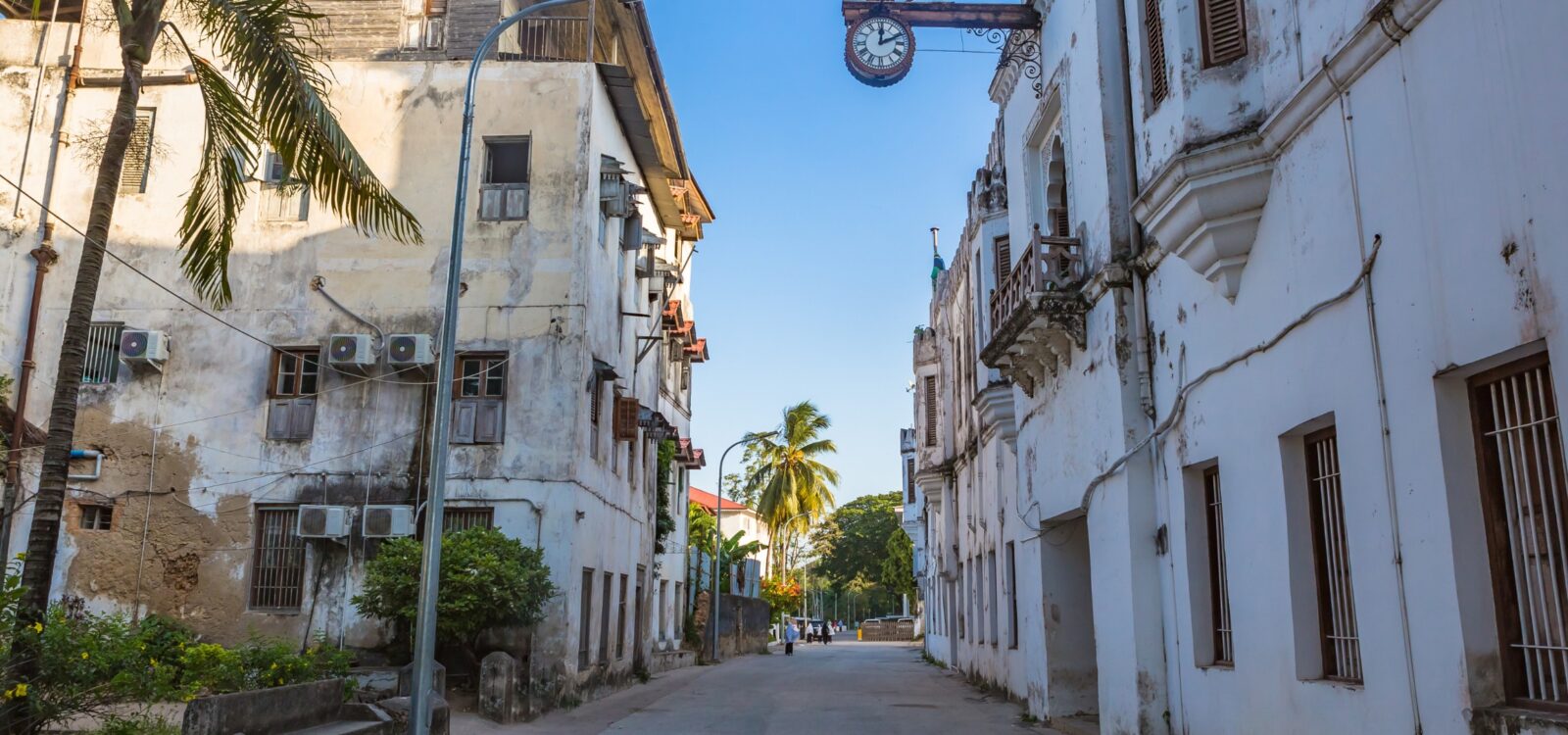
After breakfast, begin a guided Stone Town walking tour. Your guide leads you through carved doorways, spice markets, seafront streets, artisan workshops, historic landmarks, and narrow lanes shaped by centuries of trade. The experience reveals Swahili coastal culture through architecture, food, faith, music, and daily life.
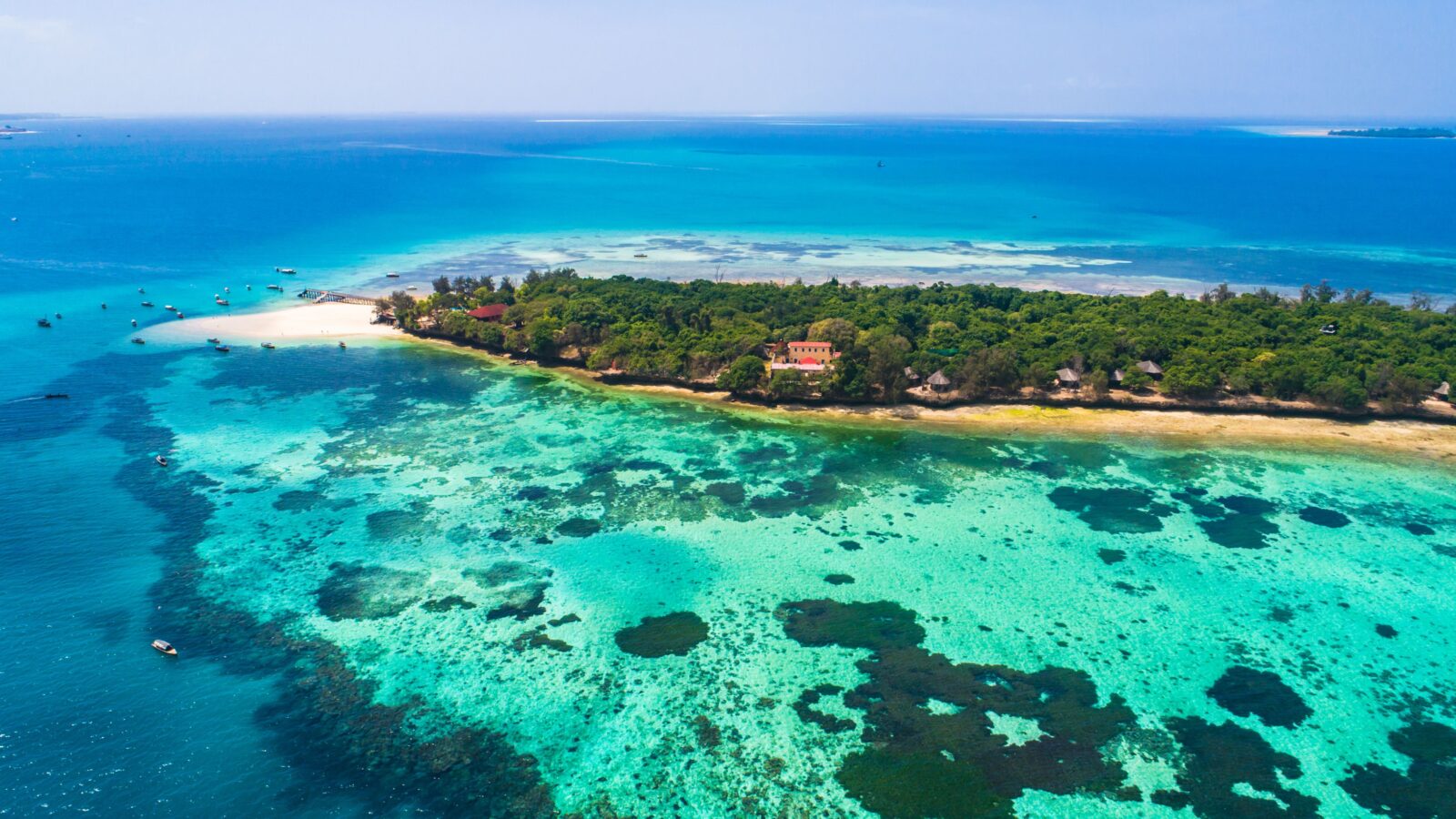
After lunch, board a boat to Prison Island, also known as Changuu Island. The short crossing gives beautiful views of the Stone Town waterfront. On the island, you may see Aldabra giant tortoises, colonial ruins, and clear water. There may also be time to swim before returning to Stone Town.
Day 12 Included Experiences
- Breakfast in Stone Town before touring.
- Guided Stone Town walking tour with cultural and historical interpretation.
- Boat transfer to Prison Island when conditions allow.
- Prison Island visit with tortoises, ruins, and coastal scenery.
- Return to Stone Town for evening at leisure.
Day 13: Spice Farm, Jozani Forest and Kendwa Beach
After breakfast, visit a working spice farm. This sensory experience introduces cloves, cinnamon, vanilla, nutmeg, turmeric, ginger, tropical fruit, and fragrant leaves. Your guide explains how spices shaped Zanzibar’s food, trade, identity, and coastal history. Tastings make the visit practical, memorable, and very Zanzibar.
Next, continue to Jozani Forest, known for the rare Zanzibar red colobus monkey. A guided walk introduces forest habitat, mangroves, and island biodiversity. Afterward, travel north to Kendwa Beach. White sand, steady tides, and sunset views create one of Zanzibar’s strongest beach settings after the culture of Stone Town.
Day 13 Included Experiences
- Breakfast in Stone Town before departure.
- Guided spice farm visit with tastings and cultural context.
- Jozani Forest guided walk when included and available.
- Transfer to Kendwa Beach.
- Beach check in and evening at leisure on Zanzibar’s north coast.
Day 14: Nakupenda Sandbank and Kendwa Beach
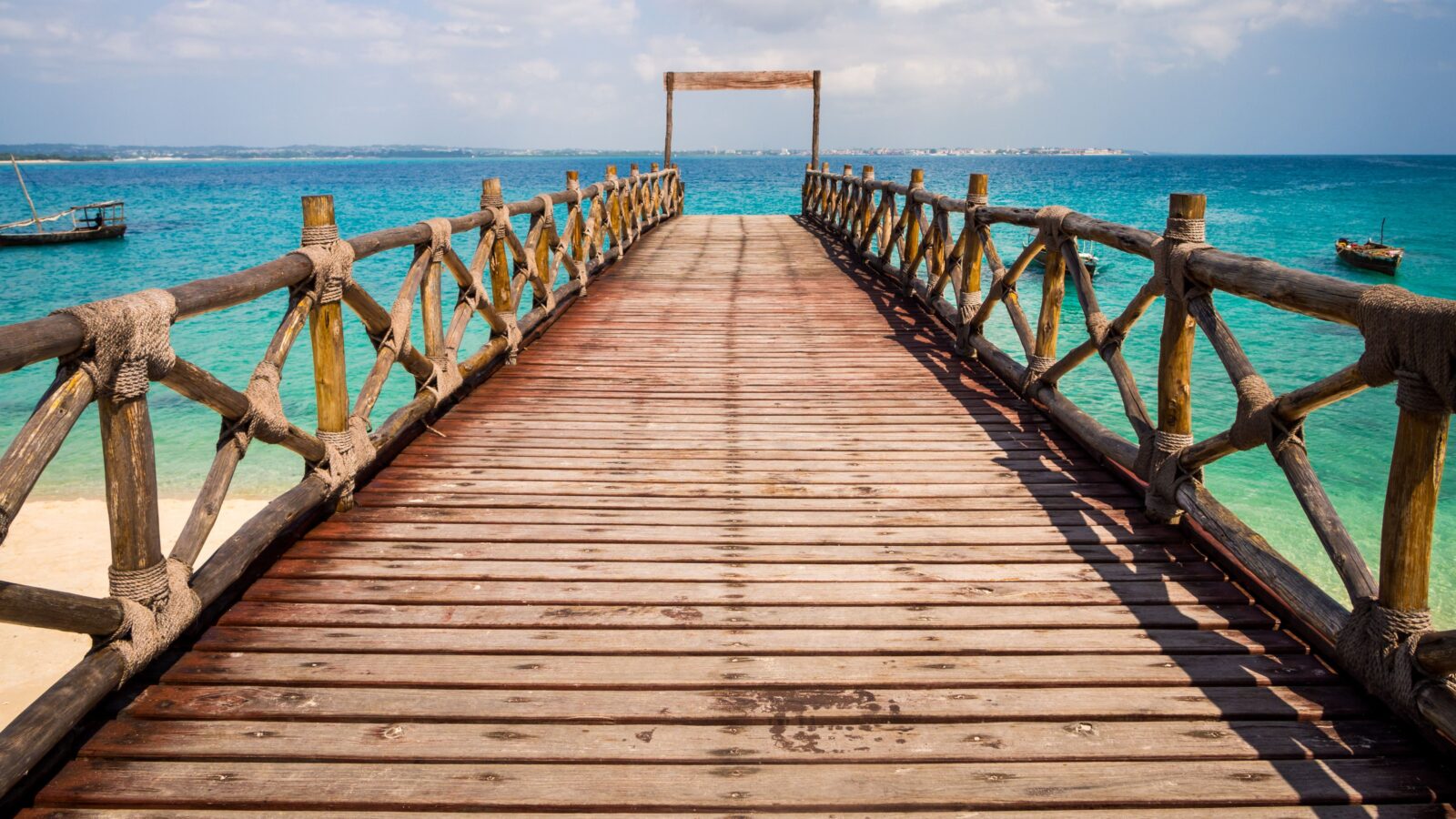
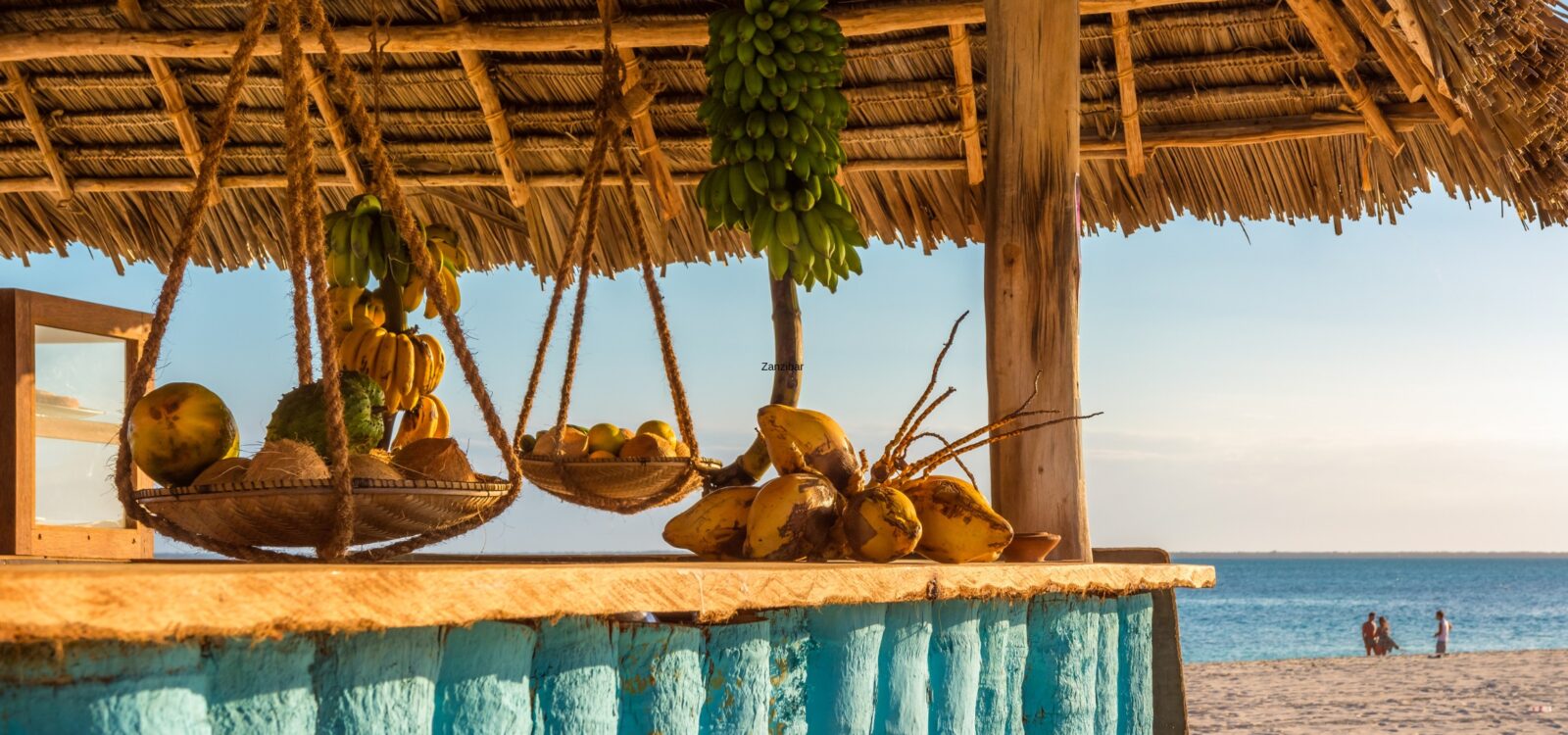
Today brings one of Zanzibar’s most beautiful coastal experiences, Nakupenda Sandbank. A boat carries you across turquoise water to a white sandbank that appears with the tide. Guides assist with swimming, snorkeling, beach time, and water based enjoyment according to sea conditions.
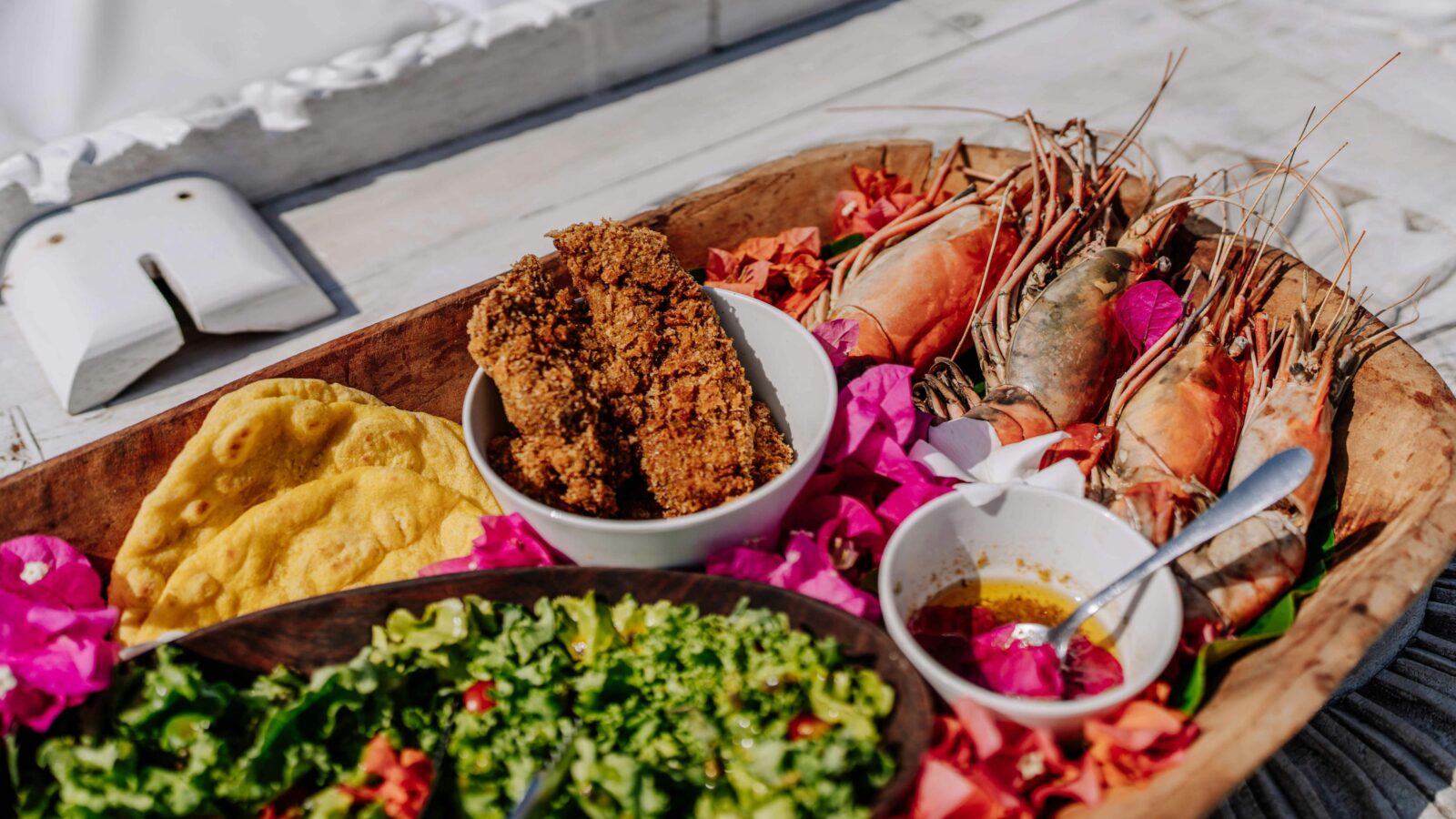
A fresh seafood meal may include grilled fish, octopus, prawns, calamari, coconut rice, tropical fruit, and cold drinks. The surrounding water creates excellent photo moments, while the open sand gives the day a bright, simple beauty. Later, return to Kendwa Beach for an unhurried afternoon, swimming, shoreline walks, resort time, or sunset views.
Day 14 Included Experiences
- Breakfast at Kendwa Beach according to the confirmed meal plan.
- Nakupenda Sandbank boat excursion when sea conditions allow.
- Swimming and snorkeling according to marine conditions.
- Seafood lunch when included in the final package.
- Afternoon at leisure back at Kendwa Beach.
Day 15: Safari Blue Zanzibar Experience
Start early for the Safari Blue Zanzibar experience from the Fumba area. This full day marine excursion explores the Menai Bay region by traditional dhow or boat, depending on the confirmed operator and conditions. The day can include snorkeling, dolphin watching from a respectful distance, lagoon swimming, sandbank stops, and coastal scenery.
Lunch often becomes one of the day’s highlights. Fresh seafood, tropical fruit, coconut flavors, and island hospitality create a generous coastal meal. After swimming and sailing, return toward your resort or airport area. Your team coordinates transfer timing based on the final schedule and your departure plans.
Day 15 Included Experiences
- Early breakfast before the marine excursion.
- Safari Blue Zanzibar experience when included and available.
- Dhow or boat excursion through the Menai Bay region.
- Snorkeling, lagoon swimming, sandbanks, and coastal scenery according to sea conditions.
- Seafood lunch when included in the confirmed package.
Day 16: Final Beach Morning and Departure
Your final morning belongs to the beach. Enjoy breakfast, one last swim, a shoreline walk, or quiet time at your resort before check out. Departure times vary, so your airport transfer will be coordinated around your confirmed flight. This keeps the final day calm and practical.
Guests with later flights can add a final lunch, spa time, shopping, or a relaxed coastal visit. Early departures can move directly to Zanzibar Airport. When the time comes, your driver transfers you for your outbound flight. The journey closes with Serengeti memories, crater views, spice notes, and Indian Ocean light.
Day 16 Included Experiences
- Breakfast at the beach according to the confirmed meal plan.
- Final morning at leisure based on flight timing.
- Optional lunch, shopping, spa time, or coastal visit when timing allows.
- Private transfer to Zanzibar Airport.
- Departure support for onward travel.
Included Experiences
This safari and island journey includes the planned experiences listed in the itinerary, which is why the package rate reflects more than transportation and accommodation alone. The structure combines Serengeti wildlife, seasonal migration planning, Ngorongoro Crater, Karatu highlands, Stone Town, Prison Island, spice culture, Jozani Forest, Kendwa Beach, Nakupenda Sandbank, Safari Blue, internal flight planning, and guided route management.
- Accommodation according to the confirmed itinerary and selected comfort category.
- Meals according to the final written package.
- Meet and greet services in Tanzania and Zanzibar.
- Airport transfers and ground transportation according to the itinerary.
- Internal flights when listed in the final quote.
- Private safari vehicle and professional guiding during the safari section when included.
- Serengeti game drives according to the confirmed route.
- Seasonal migration zone planning based on travel month and availability.
- Ngorongoro Crater safari when included in the confirmed package.
- Karatu highland activities when included and available.
- Zanzibar transfers and guided excursions according to the itinerary.
- Stone Town, Prison Island, spice farm, Jozani Forest, Nakupenda Sandbank, and Safari Blue when listed in the final quote.
- Drinking water during safari transfers and local trip support.
Optional Activities and Extensions
This 16 day Tanzania safari and Zanzibar tour already delivers a strong safari and beach combination. Optional activities can add more depth when timing, flights, permits, marine conditions, and traveler energy allow. The best additions should improve the journey without turning the route into a spreadsheet with sandals.
- Tarangire National Park extension for elephants, baobabs, river scenery, birdlife, and a stronger 18 day Tanzania route.
- Lake Manyara National Park for forest, lake views, birding, and a softer stop between major safari regions.
- Hot air balloon safari in the Serengeti for an aerial view over the plains when available.
- Olduvai Gorge visit for archaeology, human history, and deeper Ngorongoro route context.
- Additional Zanzibar nights through the 6 day Zanzibar tour for travelers who want more island time.
- More Zanzibar beaches such as Nungwi, Paje, Matemwe, Kendwa, or private island style stays.
- Kenya, Uganda, or Rwanda extension through East Africa tour packages for Maasai Mara, gorilla trekking, or wider regional planning.
- Tanzania comparison routes through Tanzania tour packages for shorter or longer safari planning.
What Is Included
Your confirmed quote will list final inclusions based on travel dates, group size, accommodation category, park and conservation fees, flight space, activity selection, meal plans, migration zone, marine conditions, and route timing. Most versions of this tour include arrival support, private transfers, internal flights, professional guiding, accommodation, meals according to the itinerary, safari activities, Zanzibar excursions, and local support.
- Accommodation in Arusha, Serengeti, Ngorongoro or Karatu, Stone Town, and Zanzibar beach areas according to the confirmed package.
- Meals according to the final written itinerary.
- Private transfers and safari transportation according to the route.
- Professional safari guiding during the safari section.
- Selected internal flights listed in the final written quote.
- Selected park fees, conservation fees, and activity fees listed in the confirmed quote.
- Zanzibar beach stay support with meals and amenities according to the confirmed resort plan.
- Drinking water during safari transfers and local trip coordination.
What Is Not Included
This tour does not include every personal or external travel cost. Your final proposal will confirm exclusions before booking, so expectations remain clear. Common exclusions include international flights, Tanzania visa fees, Zanzibar insurance requirements when applicable, travel insurance, gratuities, personal purchases, medical expenses, premium drinks unless stated, laundry unless stated, and optional activities outside the confirmed itinerary.
- International flights to and from Tanzania.
- Tanzania visa fees and personal travel documents.
- Zanzibar insurance requirements when applicable based on current rules.
- Travel insurance, which is strongly recommended for every traveler.
- Tips and gratuities for guides, drivers, camp teams, lodge teams, boat teams, activity teams, and local service providers.
- Personal expenses such as gifts, extra drinks, laundry, spa services, and private purchases.
- Optional activities not listed in the confirmed written quote.
Best Time for This Tanzania Safari and Zanzibar Tour
This 16 day Tanzania safari and Zanzibar tour can be planned throughout the year. The strongest travel window depends on your migration goals, beach preference, budget, and comfort style. December to March often supports southern Serengeti and Ndutu calving season planning, with newborn wildebeest, predator activity, and excellent open plain visibility.
April and May can bring greener scenery, dramatic skies, lighter visitor numbers, and possible value opportunities. June can work well for western movement, while July to October often focuses on the Northern Serengeti and possible Mara River crossing activity. November into December can bring returning herds, fresh grass, and a quieter safari atmosphere before calving season builds again.
Best Time for Zanzibar After Safari
Zanzibar works well in many months, but each season changes the island experience. June to October often pairs well with safari because coastal conditions can feel comfortable and sunny. December to February can also suit travelers who want warm beach time after southern Serengeti or Ndutu calving season.
March to May may bring heavier rain in parts of Tanzania and Zanzibar, although travelers who want fewer crowds and greener scenery may still find value. Marine excursions depend on weather, tides, operator safety decisions, and sea conditions. The best beach plan should match your safari dates rather than fight them.
Great Wildebeest Migration Planning
The Great Wildebeest Migration in Kenya and Tanzania moves through the Serengeti and Maasai Mara ecosystem throughout the year. Tanzania planning should follow the herds by season instead of forcing every traveler into one camp location. That is why this itinerary changes the Serengeti zone based on travel dates.
December to March often points toward Ndutu and the southern plains. June can bring interest around the western route and Grumeti region. July to October often focuses on the Northern Serengeti and possible river crossings. No operator can guarantee a river crossing, but expert positioning improves the odds of meaningful migration viewing.
Responsible Travel and Conservation
Responsible travel matters on this route because it includes national parks, conservation areas, cultural visits, marine excursions, and coastal communities. Guests should follow guide instructions, keep respectful wildlife distance, avoid loud behavior near animals, ask before photographing people, and support cultural experiences that create fair local value.
On Zanzibar, travelers should protect coral and marine life by choosing responsible activity providers, avoiding wildlife disturbance, respecting operator safety decisions, and reducing single use plastic. A stronger safari and beach journey protects the wildlife, landscapes, ocean, and people who make the experience possible.
Related Guides and Planning Resources
Use these planning guides to prepare for the route, compare Tanzania destinations, and understand how this safari and beach holiday can fit into a wider East Africa journey.
Frequently Asked Questions About This 16 Day Tanzania Safari and Zanzibar Tour
How much does this 16 day Tanzania safari and Zanzibar tour cost?
This itinerary is quoted after consultation because pricing depends on travel dates, migration zone, camps, hotels, vehicle type, internal flights, Zanzibar beach base, room category, meal plan, and selected activities. A tailored quote gives travelers a more accurate rate than a generic public estimate.
Are all listed activities included in the price?
Yes, the final package rate reflects the included activities and experiences listed in the confirmed itinerary. If travelers prefer to remove selected activities, the rate can be reviewed and may reduce where supplier rules, flight terms, park fees, timing, and marine conditions allow. Some fixed costs may remain once confirmed.
Why does the Serengeti camp location change by month?
The Great Wildebeest Migration moves through different parts of the Serengeti ecosystem during the year. The best camp depends on where the herds are most likely to be during your travel dates. Strong camp placement can improve migration access, reduce drive time, and create better wildlife opportunities.
What are the best months for Serengeti river crossings?
July to October often gives travelers the strongest window for possible Mara River crossing activity in the Northern Serengeti. Crossings depend on rainfall, herd movement, river conditions, and daily behavior. No river crossing can be guaranteed, even with excellent planning.
What are the best months for Serengeti calving season?
December to March often supports southern Serengeti and Ndutu calving season planning. February can be especially strong for newborn activity and predator movement, although exact timing changes with rainfall, fresh grass, and herd behavior.
Does this itinerary include Zanzibar?
Yes. The itinerary includes Zanzibar with Stone Town, Prison Island, spice farm experiences, Jozani Forest, Kendwa Beach, Nakupenda Sandbank, and Safari Blue when confirmed in the final quote.
Can this tour become more luxurious?
Yes. Travelers can request luxury camps, upgraded room categories, private guiding, premium beach resorts, private villas, charter flights, special dining, spa time, and celebration planning. The final quote will reflect the selected level of comfort, availability, travel season, and confirmed route.
Can families book this tour?
Yes. Families can book a tailored version of this tour, although activities and lodging should match children’s ages, comfort level, and travel pace. The itinerary includes flights, long game drives, boat trips, beach activities, and cultural visits, so pacing matters.
Can Tarangire National Park be added?
Yes. Tarangire National Park can be added before the Serengeti to create a stronger 18 day version. Tarangire brings elephants, baobabs, river scenery, birdlife, and a different landscape from the Serengeti and Ngorongoro areas.
Can this tour connect with Kenya, Uganda, or Rwanda?
Yes. This Tanzania safari and Zanzibar tour can connect with Kenya, Uganda, or Rwanda. Strong extensions include Maasai Mara wildlife, Uganda gorilla trekking, Rwanda primates, Diani Beach, or a wider East Africa itinerary.
Request a Quote for This 16 Day Tanzania Safari and Zanzibar Tour
Please complete the quote request form below with your preferred travel dates, group size, accommodation preference, activity interests, and any East Africa connections before or after this tour. For a more detailed planning request, you may also use the East Africa safari travel form. Back to the Source Tours will review your details and prepare a tailored recommendation with pricing guidance.