


The Pangolin Rescue Centre Buhoma gives travelers a meaningful conservation experience near Bwindi Impenetrable Forest. This visit works well for guests staying in Buhoma, especially before or after gorilla trekking. In addition, it adds a deeper wildlife protection story to a Uganda safari.
Pangolins face serious pressure from illegal wildlife trade. As a result, rescue work, public education, and local awareness matter across Uganda and beyond.
Back to the Source Tours includes Buhoma Uganda conservation experiences for travelers who want more than sightseeing. These visits help guests understand the people, wildlife, and fieldwork behind responsible tourism.
Why Visit Pangolin Rescue Centre Buhoma
A visit to the Pangolin Rescue Centre Buhoma helps travelers understand one of the least known wildlife stories in East Africa.
Many travelers arrive in Buhoma for gorilla trekking. However, this area also offers conservation experiences that connect guests with smaller and highly threatened species.
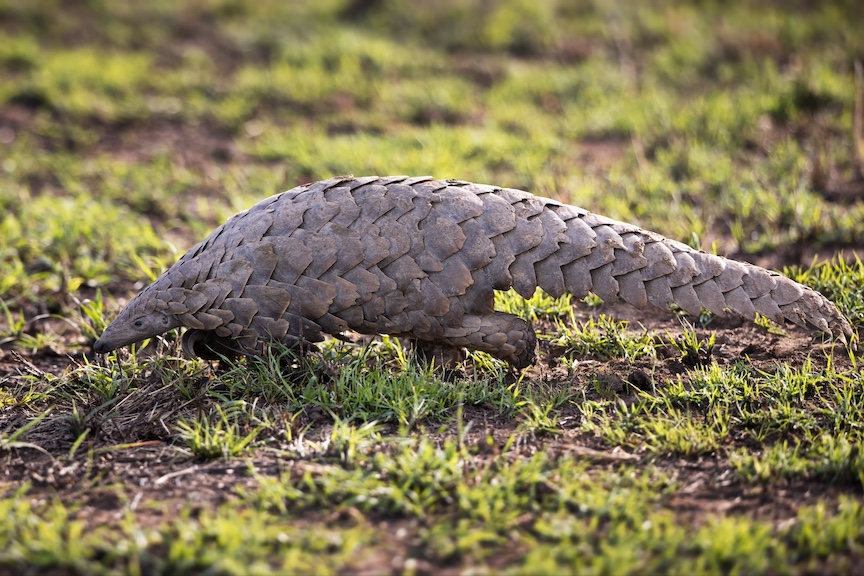
Pangolins move quietly, feed on ants and termites, and protect themselves with hard scales. Even so, those same scales make them vulnerable to illegal trade.
The centre gives guests a chance to learn about rescue, care, rehabilitation, and release work. In addition, the visit adds purpose to time spent near Bwindi.

What Makes Pangolins So Important
Pangolins play an important role in healthy ecosystems. They feed on ants and termites, which helps balance insect populations in natural habitats.
At the same time, pangolins remind travelers that conservation does not only involve famous animals. Gorillas, lions, elephants, and rhinos often receive the spotlight, but smaller species also need protection. Because pangolins remain shy and difficult to observe in the wild, many guests know very little about them. Therefore, a guided conservation visit can turn curiosity into real awareness.
This experience works especially well for families, students, wildlife lovers, and conservation focused travelers.
Pangolin Rescue and Rehabilitation
The centre focuses on rescue, rehabilitation, and release. Teams work to protect pangolins that may come from illegal trade, conflict situations, or unsafe conditions.
During a visit, travelers can learn how fragile pangolins can be during recovery. In addition, guides can explain why proper care, quiet handling, and expert support matter.
The goal always centers on wildlife welfare. A successful rescue story should lead toward safety, recovery, and possible return to suitable habitat.
Community Education Near Buhoma
Conservation works best when nearby communities understand the value of protecting wildlife. Therefore, education plays a central role in pangolin protection.
Local awareness can help reduce poaching, trafficking, and misinformation. Meanwhile, responsible tourism can create income linked to conservation instead of wildlife loss.
Travelers who visit the centre support a stronger conversation around wildlife protection. As a result, the experience connects tourism with local responsibility.
A Meaningful Add On Near Bwindi
The Pangolin Rescue Centre Buhoma fits naturally into a Bwindi itinerary. It works especially well on arrival day, departure day, or a lighter afternoon after trekking.
In addition, the visit pairs well with community activities in Buhoma. Travelers can combine it with craft shopping, cultural visits, or women led community initiatives.
This makes the experience practical and meaningful. You do not need a full extra day, but you still gain a stronger understanding of conservation in the area.
How to Add the Pangolin Centre to a Uganda Safari
Back to the Source Tours can add the Pangolin Rescue Centre Buhoma to select Uganda itineraries that include Bwindi Impenetrable Forest.
The best timing depends on your route, lodge location, gorilla permit schedule, and flight plans. However, Buhoma works especially well because the centre sits close to the main travel flow. For example, travelers can visit after arriving from Kihihi Airstrip or before settling into the lodge. Meanwhile, guests with more time can combine it with other community based experiences.
A well planned schedule keeps the visit relaxed. That matters because conservation experiences deserve attention, not a rushed stop between transfers.
Pair This Experience with Gorilla Trekking
Many travelers visit Buhoma for gorilla trekking in Bwindi Impenetrable Forest. That experience remains one of Uganda’s strongest wildlife highlights. However, the pangolin visit adds another layer. It shows how conservation reaches beyond one famous species and supports wider wildlife protection.
Together, gorilla trekking and pangolin conservation create a stronger story. Guests experience the emotional power of the forest, then learn how smaller animals also need care. This pairing works well for travelers who want wildlife, education, and purpose in one Uganda safari.
Responsible Travel in Buhoma
Responsible travel starts with respect for wildlife, guides, communities, and local conservation rules.
During any conservation visit, guests should follow instructions, avoid loud behavior, and give animals space. In addition, travelers should ask before taking photos or videos.
Back to the Source Tours helps guests choose activities that support ethical wildlife experiences. We also recommend local partners who care about conservation and community value.
Because tourism can influence behavior, every traveler plays a role. Thoughtful choices help protect Buhoma, Bwindi, and the wildlife that makes this region extraordinary.
Plan Your Buhoma Conservation Experience
A visit to the Pangolin Rescue Centre Buhoma adds depth to a Uganda safari near Bwindi.
Back to the Source Tours can include this experience in a custom Uganda itinerary, a gorilla trekking tour, or a conservation focused journey. In addition, our team can help pair it with community visits, lodge stays, and scenic transfers.
Tell us your travel dates, group size, comfort level, and must see experiences. Then, we will recommend the strongest route for your Uganda safari.
Plan Your Uganda Conservation Safari