

A Prison Island Zanzibar day trip gives travelers one of the easiest and most rewarding experiences near Stone Town. The island sits a short boat ride from the waterfront. However, the experience feels far removed from the busy alleys, markets, and carved doors of the old city.
Also called Changuu Island, Prison Island combines wildlife, history, ocean views, and relaxed coastal beauty. As a result, it works well for travelers who want a half day experience with real substance.
Back to the Source Tours includes this excursion in select Zanzibar itineraries because it pairs naturally with a guided Stone Town walking tour. In addition, the route keeps the day smooth, scenic, and easy to enjoy.
Why Visit Prison Island in Zanzibar
Prison Island gives travelers more than one reason to visit. First, the island offers close views of Aldabra giant tortoises, some of Zanzibar’s most memorable animal residents.
Meanwhile, the old stone structures add historical depth. The island’s name comes from a prison building, although the site later served a different purpose.
The water adds another reason to go. Around the island, travelers can enjoy clear Indian Ocean views, calm swimming areas, and snorkeling when conditions allow. Because the excursion sits close to Stone Town, it fits easily into a well planned day. You can explore the city in the morning, then cross the water in the afternoon.
What Makes Changuu Island Worth Visiting
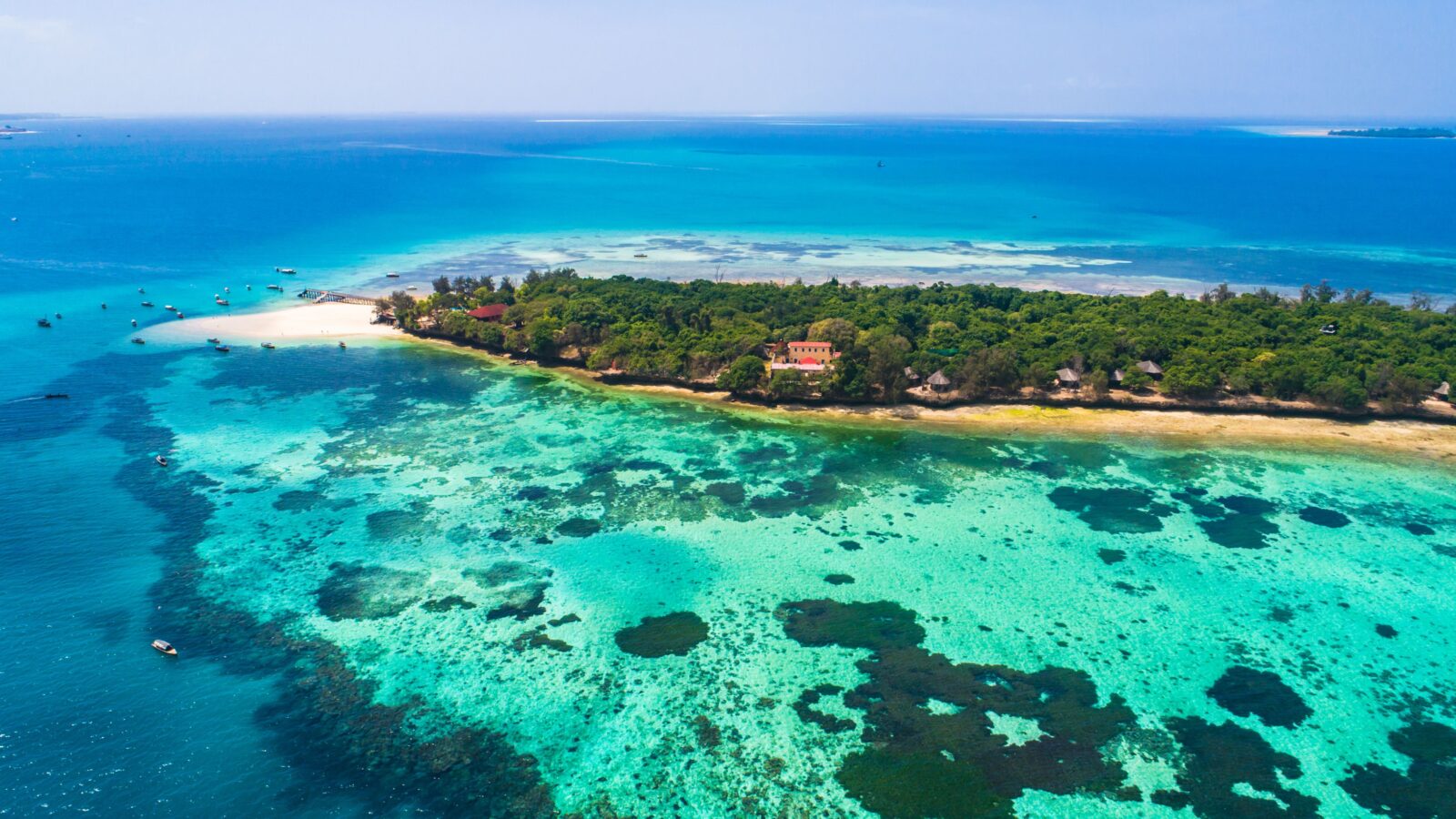
Changuu Island works well because it brings several experiences into one short outing. It does not require a long transfer, yet it still feels like a true island escape. The visit can include wildlife, coastal history, photography, swimming, and time by the water. In addition, the boat ride gives travelers beautiful views of Stone Town from the sea.
This makes the excursion ideal for couples, families, small groups, and first time visitors to Zanzibar. At the same time, it also works for travelers who want a slower day between longer activities.
Giant Aldabra Tortoises
The Prison Island tortoises create the most famous part of the visit. These giant reptiles move slowly, eat calmly, and command attention without trying.
Travelers can observe their size, texture, movement, and behavior from close range. In addition, guides help explain why these animals became such an important part of the island experience.
Children often love this stop because the tortoises feel almost prehistoric. Adults do too, although we pretend to be more sophisticated about it.
The encounter feels simple, but it stays with travelers. There is something powerful about standing near an animal that moves through time at its own pace.
Historic Prison Island Ruins
The historic ruins add a second layer to the trip. They remind visitors that Prison Island has carried different roles across Zanzibar’s past.
A guide helps the experience make more sense. Without context, the structures can feel like old walls. However, with the right explanation, the island becomes a compact lesson in coastal history.
The story connects Stone Town, colonial administration, maritime travel, and the wider Swahili Coast. As a result, the visit adds meaning beyond beautiful water and wildlife.
Swimming and Snorkeling Near Stone Town
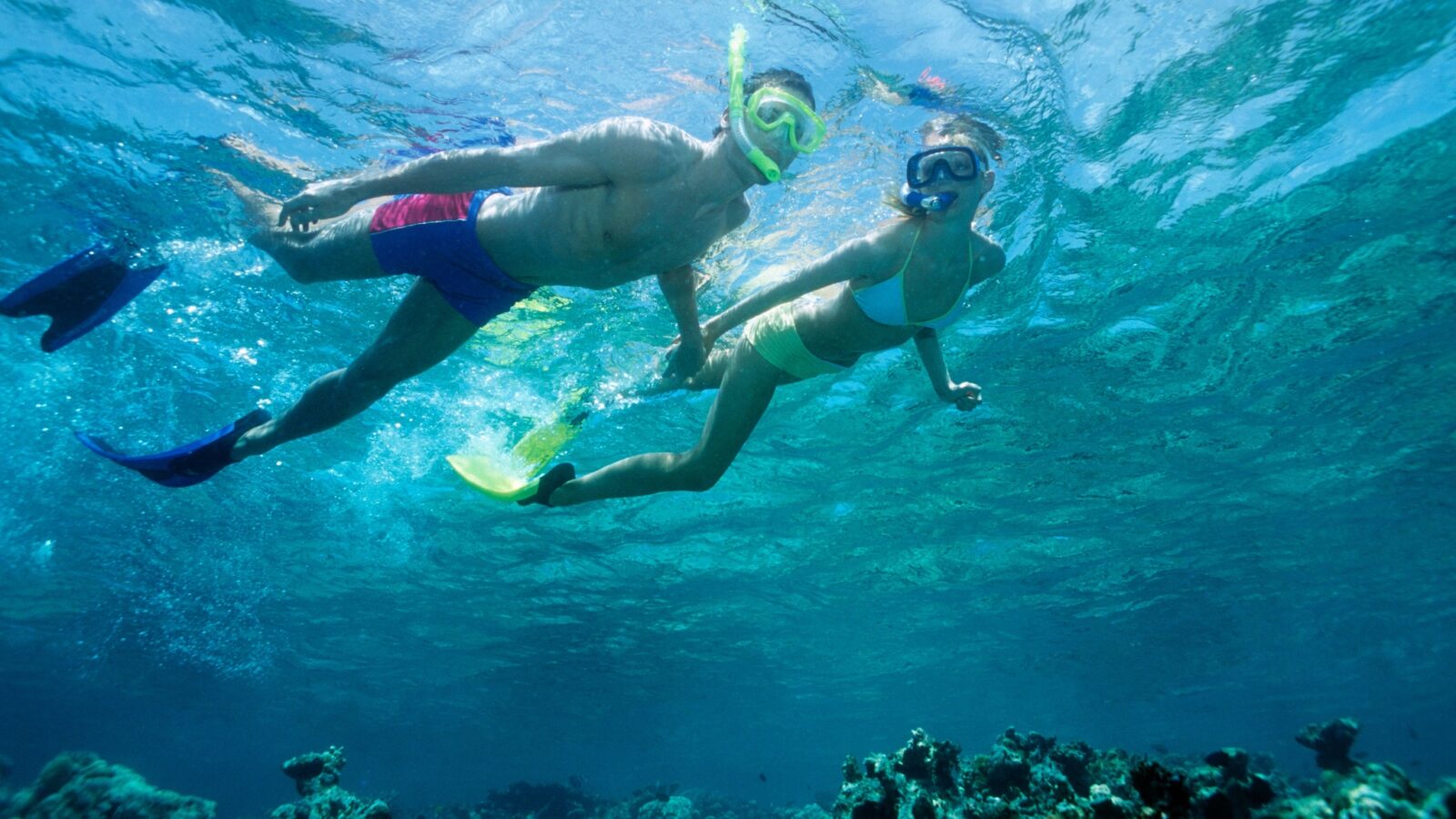
After the historical visit, the coast brings the mood back to the water. The shoreline around Prison Island can offer calm swimming and clear views across the channel. When conditions allow, snorkeling adds another enjoyable layer. Travelers may see coral areas, small reef fish, and the bright blues that make Zanzibar so easy to love.
This is not a full beach day. However, it gives travelers a refreshing ocean break before returning to Stone Town.
How Back to the Source Tours Plans This Experience
Back to the Source Tours usually pairs Prison Island with a guided Stone Town walking tour. This creates a strong day because both experiences sit close together. First, your guide leads you through Stone Town, where history, food, architecture, and culture meet in a compact coastal city. Then, the day shifts to the water for the boat ride to Changuu Island.
This flow keeps the experience efficient. In addition, it avoids unnecessary driving from distant beach zones before the excursion begins. For travelers joining our 6 day Spice Sand and Soul in Zanzibar itinerary, Prison Island fits beautifully into Day 2 with Stone Town. Your current itinerary already includes this pairing as part of a wider Zanzibar route with spice farms, beaches, snorkeling, and coastal experiences.
What to Bring for Prison Island
Bring comfortable walking shoes because the island includes paths, historic areas, and uneven ground. In addition, pack swimwear, a towel, sunglasses, and reef safe sunscreen. The sun can feel strong on the boat and near the water.
A small waterproof bag also helps protect your phone, camera, and travel documents. Meanwhile, cash in Tanzanian shillings can help with small local payments. Travelers who plan to snorkel should bring a rash guard or light coverup. As a result, you stay more comfortable in the water and reduce sun exposure.
Pair Prison Island with a Full Zanzibar Itinerary
Prison Island works best as part of a wider Zanzibar experience. It pairs well with Stone Town, a spice farm tour, Jozani Forest, Nakupenda Sandbank, and a Safari Blue day.
For travelers who want more ideas, read our guide to the best things to do in Zanzibar. It includes island activities, beaches, marine experiences, cultural stops, and day trip planning.
Plan Your Zanzibar Day Trip
A Prison Island Zanzibar day trip works well for travelers who want history, wildlife, and ocean time in one smooth experience. Back to the Source Tours can include this excursion in a custom Zanzibar itinerary, a private beach extension, or a larger East Africa journey. In addition, our team can help you decide when to visit based on your hotel location and daily schedule.
Tell us your travel dates, group size, and preferred Zanzibar experiences. Then, we will recommend the best route, timing, and activity combination for your trip.
Plan Your Zanzibar Trip