

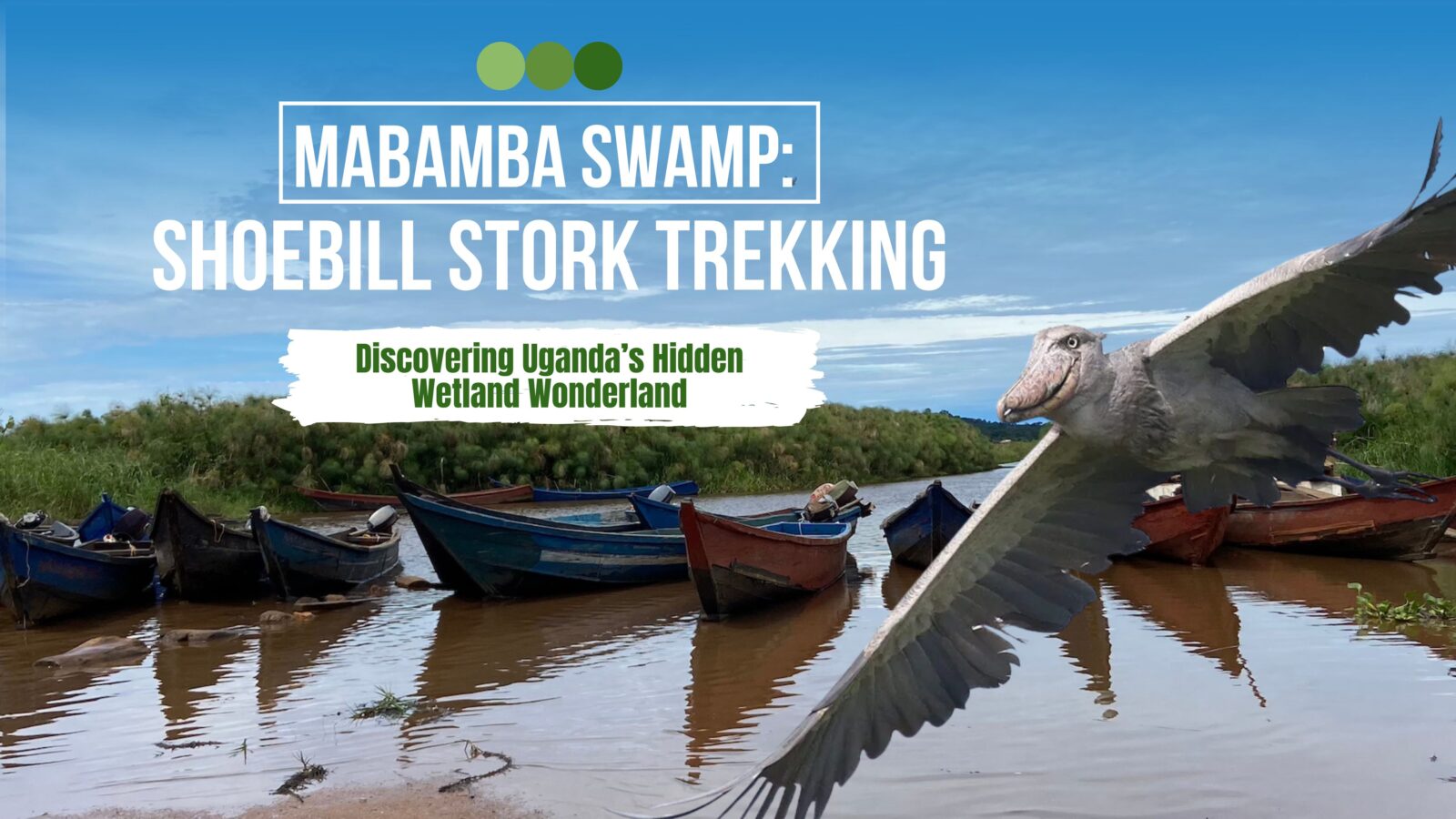
Mabamba Swamp gives travelers one of Uganda’s most rewarding birding experiences within easy reach of Entebbe. The main highlight is the rare shoebill stork, a large wetland bird known for its powerful bill, patient hunting, and prehistoric appearance. The experience feels calm, focused, and deeply connected to the papyrus wetlands along Lake Victoria. For travelers starting or ending a Uganda safari, Mabamba turns a free morning into a meaningful wildlife encounter.
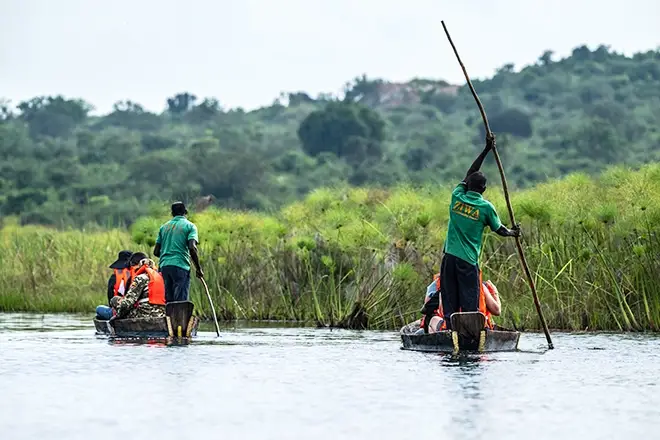
This is not a rushed roadside stop. The best Mabamba visit moves slowly by canoe through papyrus channels, open marsh, and quiet wetland edges. Local guides study the reeds, listen for bird activity, and position the canoe with care. Along the way, travelers may also see kingfishers, herons, weavers, jacanas, and other wetland birds. As a result, the tour works for serious birders and curious first time safari travelers.
Why Mabamba Swamp Is Famous For The Shoebill Stork
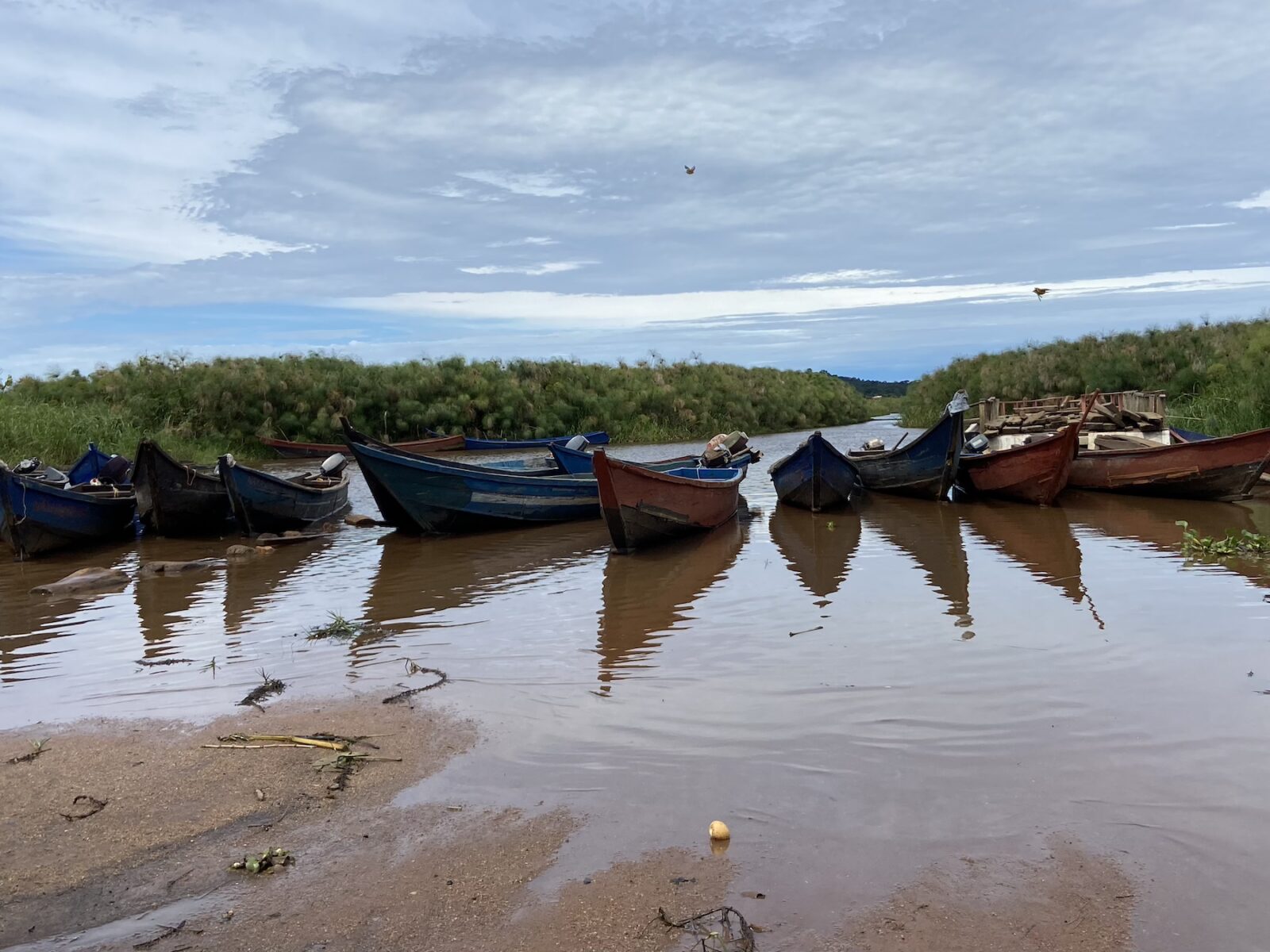
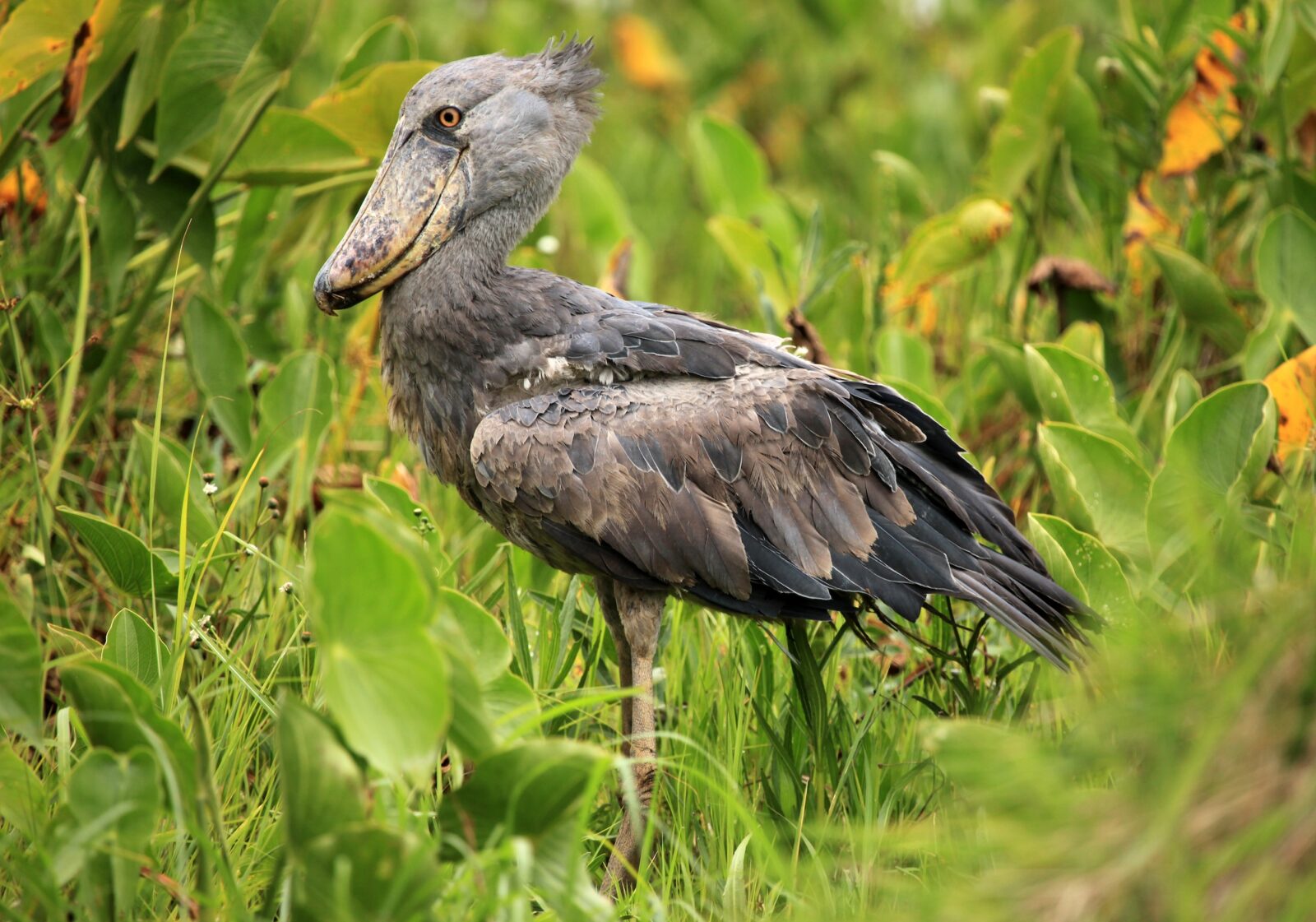
Mabamba Swamp sits near the northern shore of Lake Victoria, west of Entebbe. Its papyrus channels, shallow water, and wetland feeding areas create strong habitat for shoebill viewing. The bird draws travelers from around the world because sightings feel rare, quiet, and almost unreal. One moment the reeds look empty. Then the guide points ahead, and the shoebill stands there like a statue with wings.
The shoebill often hunts with remarkable patience. It may remain still for long periods before striking at fish in the marsh. That behavior makes the search feel different from a game drive. Instead of scanning open plains, travelers watch the wetland closely and move with restraint. The reward can feel powerful because the sighting depends on timing, expert guiding, and respect for the habitat.
What To Expect On A Mabamba Swamp Shoebill Tour
A typical Mabamba Swamp shoebill tour starts in the morning from Entebbe or Kampala. Morning conditions often support better birding, softer light, and cooler temperatures. After reaching the landing area, your guide helps coordinate local registration and canoe arrangements. Then the canoe enters the wetland slowly, giving everyone time to settle into the pace.
The canoe ride usually lasts about one and a half to two hours inside the swamp, depending on weather, water level, and bird movement. Your local birding guide searches feeding areas and papyrus edges where the shoebill may stand. Wildlife never works on a meeting agenda, so patience matters. The good news is simple: Mabamba gives patience a very good office view.
The Canoe Ride Through Papyrus Channels
The canoe experience gives Mabamba its character. Papyrus rises on both sides while the water opens into narrow paths and wider marsh sections. The movement stays gentle, which helps photographers and birders stay focused. Guides often point out other species along the way, including malachite kingfishers, African jacanas, herons, egrets, and weavers. Even before a shoebill appears, the swamp feels alive.

Travelers should dress for sun, light spray, and changing weather. Bring binoculars, a camera with protection, sunscreen, insect repellent, and a hat. Neutral clothing works well for birding, while comfortable shoes help when entering or leaving the canoe. Keep voices low in the wetland, follow guide instructions, and avoid sudden movement near birds. Small choices help protect the experience for everyone.
Best Time To Visit Mabamba Swamp
Mabamba Swamp can offer rewarding birding throughout the year. Early morning usually gives travelers the strongest overall conditions because birds tend to show more activity before the day heats up. The light also works better for photography. Afternoon visits can still work, but weather and timing may affect comfort and visibility.
Uganda’s drier travel months can make road movement easier, especially when Mabamba connects with a longer safari route. Greener months can also reward birders with lush scenery and active wetland life. Instead of choosing dates only around Mabamba, plan the visit around your full Uganda itinerary. Many travelers use things to do in Entebbe Uganda to shape arrival and departure days with more purpose.
How Mabamba Fits Into A Uganda Safari
Mabamba works best near the beginning or end of a Uganda trip. Since many travelers arrive through Entebbe International Airport, the swamp can fit before the longer safari route begins. It also works well on a final morning when flight timing allows. This makes the experience practical, memorable, and easy to combine with broader Uganda travel planning.
Travelers comparing longer routes can start with Uganda tour packages to see how Mabamba connects with gorilla trekking, rhino tracking, Nile River safaris, chimpanzee trekking, and cultural experiences. This planning approach helps travelers avoid a rushed route. It also creates a stronger balance between wetlands, forests, savannah, rivers, and conservation experiences.
Best Tour Options For This Experience
The 7 Day Uganda Safari to Ziwa Rhino and Murchison Falls fits travelers who want rhino tracking, Nile River wildlife, Murchison Falls game drives, and a calm Mabamba finish near Lake Victoria. This route gives the shoebill search a strong contrast after savannah, river, and waterfall experiences.
The 6 Day Gorilla Trekking Uganda and Cultural Tour suits travelers who want Bwindi Impenetrable National Park, gorilla trekking, cultural experiences, and a final wetland experience near Entebbe. The shoebill search works well after the energy of the forest because the pace feels quiet and reflective.
The 12 Day Uganda Safari Itinerary works best for travelers who want a fuller Uganda route. It brings together Murchison Falls National Park, Kibale Forest National Park, Queen Elizabeth National Park, Bwindi Impenetrable Forest, and Mabamba. This option gives travelers a strong view of Uganda through wetlands, forests, savannah, rivers, primates, and birdlife.
Responsible Birding At Mabamba Swamp
Responsible birding protects the shoebill, the wetland, and the visitor experience. Travelers should keep a respectful distance, avoid loud voices, and follow local guide instructions. Do not pressure guides to move too close to the bird. A better sighting comes from patience, not from crowding wildlife. The shoebill should remain calm before, during, and after the visit.
Local guiding also matters. Community guides understand the channels, bird behavior, and wetland rhythm. Their work helps connect tourism income with habitat protection. When travelers use trained local guides, the swamp becomes more valuable alive than degraded. That connection gives responsible tourism real weight. It turns one birding excursion into a practical reason to protect a rare habitat.
Back to the Source Tours only works with local expert guides registered with Mabamba Wetlands Eco-Tourism Association.
What To Bring For A Mabamba Shoebill Tour
- Binoculars for birding and distant wetland viewing
- Camera protection for light spray or sudden rain
- Sun hat and sunscreen for open water sections
- Insect repellent for wetland conditions
- Light rain jacket during changing weather
- Neutral clothing for a quieter wildlife experience
- Comfortable shoes for boarding and leaving the canoe
Related Reading
Use these guides to plan a stronger Entebbe and Uganda safari route around Mabamba.
Frequently Asked Questions About Mabamba Swamp
Where is Mabamba Swamp located?
Mabamba Swamp sits west of Entebbe, near the northern shore of Lake Victoria. Its location makes it one of the most practical shoebill birding areas for travelers using Entebbe as their Uganda gateway.
How long does the shoebill search take?
The canoe search often takes about one and a half to two hours inside the wetland. Timing can vary with weather, water level, bird movement, and the guide’s search route.
Can beginners enjoy Mabamba Swamp birding?
Yes. Beginners often enjoy Mabamba because the shoebill feels dramatic and easy to appreciate. Guides also explain wetland birds, papyrus habitat, and bird behavior during the canoe ride.
Can Mabamba fit before or after gorilla trekking?
Yes. Mabamba can fit near an Entebbe arrival or departure day. It pairs well with gorilla trekking routes when flight timing and safari pacing allow a meaningful wetland visit.
Is a shoebill sighting guaranteed?
No wildlife sighting should be treated as guaranteed. Still, Mabamba remains one of Uganda’s strongest places to search for the shoebill with local birding guides and patient canoe tracking.

Plan this experience with Back to the Source Tours:
East Africa Tour Packages, East Africa Group Tours, and/or Request Your East Africa Safari Quote.
Written by: Back to the Source Tours Editorial Team, lead Fanny Martinez and expert Shoebill guide from Mabamba Wetlands Eco-Tourism Association (MWETA)
Last updated: Wednesday, May 6, 2026