

A Kampala city tour Uganda gives travelers a practical and colorful introduction to the country’s capital. The city blends Buganda heritage, religious landmarks, markets, museums, street food, craft shopping, and hilltop views in one compact route. However, Kampala works best with a clear plan. Traffic, opening times, weather, and personal interests can shape the day quickly. A good city tour should feel active, balanced, and flexible, not like a race against the clock wearing safari boots.
This one day guide helps travelers understand the best way to experience Kampala Uganda before or after a safari. Some guests visit after arriving through Entebbe International Airport. Others add the city after gorilla trekking, a wildlife safari, or a Lake Victoria experience. Because Kampala holds many layers of Uganda’s story, it deserves more than a quick drive through. With the right route, one day can include royal history, sacred architecture, market energy, local food, and meaningful cultural context.
Why Add a Kampala City Tour to Your Uganda Itinerary
A one day Kampala city tour gives travelers a stronger sense of Uganda before heading deeper into the country. Many safari routes begin or end near Entebbe and Kampala. Therefore, the city can become a valuable first chapter or closing experience. It also helps travelers understand Uganda beyond wildlife. The capital brings together royal history, colonial history, religion, politics, art, commerce, food, and modern daily life. That mix gives the day real substance.
Kampala also works well as a bridge between travel days. After a long international flight, some visitors prefer a lighter cultural day before moving onward. By contrast, others add the tour after a safari because they want one more look at local life before departure. Either option can work. The best plan depends on arrival time, traffic, weather, energy level, and personal interests. A smart route may include three or four major stops, plus a food or craft experience. That pace gives the city room to breathe.
Best Places to Visit on a Kampala City Tour
The best things to do in Kampala Uganda depend on the traveler. History focused guests may prefer Kabaka’s Palace, Kasubi Tombs, and the Uganda Museum. Architecture lovers may enjoy Gaddafi National Mosque, Namirembe Cathedral, or the Bahá’í Temple. Travelers who want daily life may choose Owino Market, craft markets, local food stops, and guided neighborhood routes. As a result, one tour can feel very different from another.
A full day should avoid too many stops. Kampala has strong traffic patterns, so quality matters more than quantity. A better route may include a royal site, a religious landmark, a museum or craft market, and one local food experience. If time allows, a viewpoint or guided boda boda section can add energy. However, safety and comfort should guide every decision. A guided city experience helps travelers enjoy Kampala with better timing, local context, and fewer logistical surprises.
Kabaka’s Palace and the Royal Mile
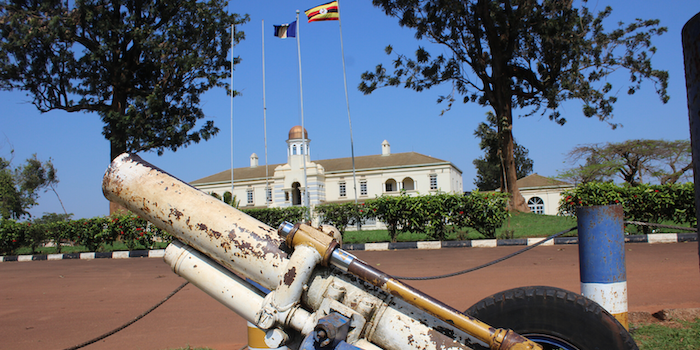
Kabaka’s Palace, also known as Lubiri Palace, gives visitors insight into the Buganda Kingdom. The palace grounds sit in Mengo, one of Kampala’s most important historical areas. A guided visit can introduce royal traditions, Buganda leadership, and the political importance of the kingdom. The route may also include views along the Royal Mile, which connects the palace area with the Buganda parliament. This section helps travelers understand Kampala through local power, identity, and heritage.
The palace grounds also carry difficult history connected to Uganda’s past. Some tours include the underground chambers linked to the Idi Amin period. This stop can feel emotional, so travelers should approach it with respect. It adds depth to the day because Kampala is not only a city of color and movement. It also holds memory, resilience, and hard lessons. A strong city tour handles that history with care and does not rush the moment.
Travel Tip for the Palace Visit
Wear comfortable shoes and prepare for an outdoor guided walk. Some sections may require patience, especially during busy visiting hours. Ask questions, but keep the tone respectful. This site connects to living culture, not only the past. Photography rules may vary by area, so follow the guide’s direction before taking pictures. That small courtesy protects the experience for everyone.
Kasubi Tombs and Buganda Heritage
Kasubi Tombs ranks among Kampala’s most important cultural sites. The site serves as a burial place for former Kabakas, the kings of Buganda. It also holds spiritual and cultural meaning for the Baganda people. A guided visit introduces traditional architecture, royal customs, clan history, and the role of heritage custodians. For many travelers, this stop becomes one of the strongest cultural moments of the day.
The site’s architecture uses natural materials and traditional design principles. Therefore, visitors should see it as more than a historical stop. It represents living heritage, royal memory, and community identity. Kasubi Tombs can pair well with Kabaka’s Palace because both sites help explain Buganda’s influence in Kampala. Together, they give travelers a better foundation for understanding the city’s cultural structure and historical depth.
Gaddafi National Mosque and Old Kampala Views
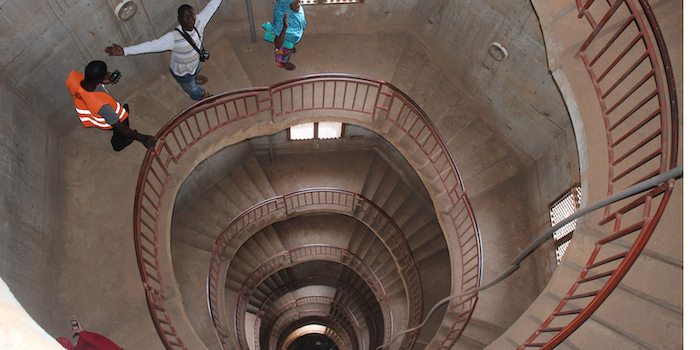
Gaddafi National Mosque, also called the Uganda National Mosque, stands on Old Kampala Hill. The mosque is one of the city’s most recognizable landmarks. A visit can include architectural details, religious context, and wide views across Kampala. Many travelers enjoy climbing the minaret because it gives a clear sense of the city’s hills, neighborhoods, roads, and skyline. It also helps explain why Kampala feels layered rather than flat.
Guests should dress respectfully during the visit. Women may need a head covering and longer clothing, depending on the site guidelines. Men should also wear modest clothing. Because this remains an active religious space, quiet behavior matters. The mosque works well near the beginning or middle of the day, especially when visibility is good. For photographers, the viewpoint can become one of the best city moments.
Travel Tip for Mosque Visits
Carry a light scarf or layer if you plan to visit religious sites. This keeps the day smoother and avoids last minute wardrobe drama. Respectful clothing also helps travelers move comfortably between mosques, cathedrals, shrines, and cultural spaces. Kampala rewards prepared visitors. It is a capital city, not a costume rehearsal.
Bahá’í Temple and a Peaceful City Break
The Bahá’í Temple sits on Kikaaya Hill and offers a peaceful contrast to Kampala’s busy streets. The temple is also known as the Mother Temple of Africa. Travelers often visit for architecture, quiet gardens, reflection, and panoramic views. This stop works well for guests who want a slower moment within the city tour. It also adds religious diversity to the day.
The grounds feel calm, open, and spacious. Because Kampala can feel energetic and crowded, this stop can reset the pace. It also suits travelers who prefer thoughtful walking over market intensity. A visit here should stay respectful and quiet, especially during prayer times or devotional gatherings. The temple pairs well with other cultural sites because it shows another side of Kampala’s spiritual life.
Uganda Museum and National Storytelling
The Uganda Museum gives travelers a broader view of the country’s cultural and natural history. Exhibits can include musical instruments, archaeology, ethnographic collections, traditional life, and historical objects. This stop works well for visitors who want context before traveling across Uganda. It also helps connect Kampala with the wider regions visited on safari, including western Uganda, northern Uganda, and the Nile area.
A museum visit can feel especially useful before multi day travel. It introduces cultural diversity, traditional tools, music, and historical timelines in one place. However, travelers should avoid rushing through every room. Choose the sections that match your interests and allow enough time for questions. The museum can also work well on rainy days, which Kampala occasionally schedules without consulting visitors.
Markets Crafts and Local Food in Kampala
A Kampala cultural tour should include some contact with daily life. Markets and craft areas show the city’s commercial energy, creativity, and practical rhythm. Owino Market offers a busy local atmosphere with clothing, goods, food items, and constant movement. However, it can feel intense for first time visitors. A guide can help manage pace, direction, and expectations. Travelers should keep valuables secure and ask before taking photos.
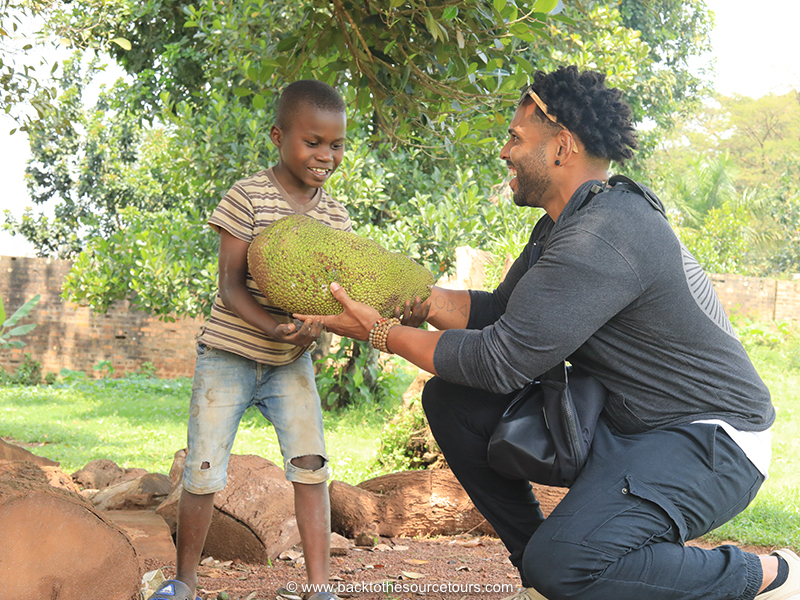
Craft markets offer a calmer shopping experience. Visitors can find handmade items, fabrics, jewelry, baskets, carvings, and art. These stops support local artisans when travelers buy directly and fairly. Food also adds strong value to the day. A local meal, fresh fruit stop, or rolex tasting can reveal Kampala through flavor. A rolex is a popular Ugandan street food made with chapati and eggs. It is simple, filling, and far more memorable than another airport sandwich.
How to Shop Respectfully
Shopping in Kampala works best with patience and good humor. Bargaining may happen in some settings, but fair pricing matters. Handmade goods take time and skill. Travelers should avoid aggressive negotiating, especially with artisans. Ask about materials, patterns, and the story behind the work. That conversation often becomes more valuable than the purchase itself.
Boda Boda Tours and City Movement
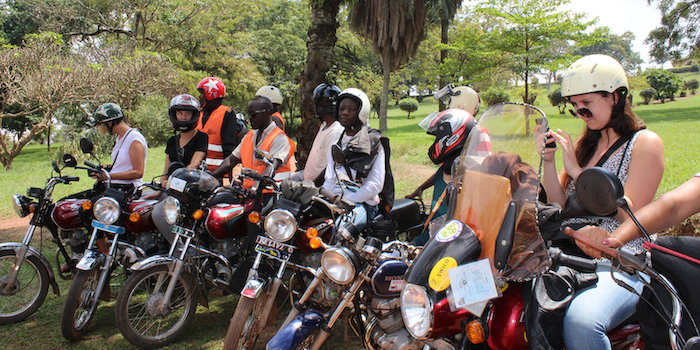
A guided boda boda tour in Kampala can help travelers move through traffic and reach local areas faster. Boda bodas are motorcycles used widely across Uganda for daily transport. In a tourism setting, trained guides, helmets, and organized routing matter. This option can feel exciting, efficient, and very local. However, it may not suit every traveler. Comfort level, road conditions, and safety standards should guide the choice.
Travelers who prefer a slower pace can choose a vehicle based tour or walking sections instead. Kampala offers several ways to experience the city. The best option depends on mobility, traffic, weather, group size, and personal confidence. A mixed route can work well. For example, a vehicle may handle longer distances, while a short guided walk adds texture around a market or cultural site.
Suggested One Day Kampala City Tour Route
A strong one day Kampala city tour can begin with Kabaka’s Palace and the Royal Mile. From there, travelers can continue to Kasubi Tombs for Buganda heritage. After that, Gaddafi National Mosque offers architecture and city views from Old Kampala. A lunch stop or local food experience can break up the day before visiting the Uganda Museum or a craft market. This route gives the day history, culture, food, and shopping without overloading the schedule.
Travelers with specific interests can adjust the route. Religious history may include the Bahá’í Temple, Namirembe Cathedral, or Namugongo Martyrs Shrine. Art focused travelers may prefer the National Theatre, craft markets, and galleries. Food lovers may add a local lunch, coffee stop, or street food tasting. The best Kampala day does not need every landmark. It needs the right landmarks in the right order.
When to Start the Tour
Start early when possible. Morning departures help reduce pressure from traffic and give more time at major stops. Kampala can become busy quickly, especially during school runs, work traffic, and rain. A flexible start time may still work for guests arriving from Entebbe. However, a full city day feels better when the schedule begins with breathing room. Good timing is the quiet hero of a city tour.
How Kampala Fits With Entebbe Jinja and Uganda Safaris
Kampala connects well with several Central Uganda experiences. Travelers can add things to do in Entebbe Uganda before or after the city tour. Popular options include Lake Victoria activities, gardens, conservation visits, and relaxed arrival day experiences. Birders can also add the Shoebill Stork Mabamba Swamp experience for a memorable wetland morning near Entebbe.
Travelers who want a conservation focused extension can include the Ngamba Island Chimpanzee Sanctuary tour. Guests with more time can continue east toward Jinja Uganda for the Source of the Nile, river activities, cultural routes, and adventure experiences. As a result, Kampala can become part of a wider Central Uganda itinerary instead of a single city stop.
Best Time to Take a Kampala City Tour
Kampala can be visited throughout the year. However, travelers should prepare for warm weather, traffic, and possible rain. A light rain jacket, comfortable shoes, sun protection, and water can make the day easier. The city tour also works best when travelers dress modestly enough for religious and cultural sites. This avoids extra delays and helps every stop feel smooth.
Weekdays and weekends can feel different. Weekdays may bring heavier business traffic, while weekends may shift the rhythm around events, worship, shopping, and family activities. Public holidays can also change access, crowd levels, and timing. Therefore, travelers should keep the route flexible. Kampala has personality, and like any capital city, it occasionally changes the agenda without a formal memo.
Responsible Travel Tips for Kampala
Responsible city travel starts with awareness. Ask before taking photos of people, market stalls, religious spaces, or private areas. Dress respectfully at sacred sites. Follow your guide’s advice in crowded markets. Keep valuables secure and avoid displaying large amounts of cash. These simple steps help travelers feel more comfortable and protect the dignity of local communities.
Travelers should also support local businesses where possible. Buying crafts directly, choosing guided community experiences, and paying fair prices can keep more value in the city. A good Kampala tour should not treat the city as a quick stopover. It should help visitors understand daily life, heritage, faith, food, and creativity. That approach makes the experience more meaningful for guests and more useful for the people who host them.
Plan Your Kampala City Tour Uganda Experience
A Kampala city tour Uganda can add culture, context, and local energy to a safari itinerary. The city works well before gorilla trekking, after a wildlife safari, or between Entebbe and Jinja. With one well planned day, travelers can experience Buganda heritage, sacred landmarks, museum collections, craft shopping, local food, and hilltop views. The experience feels strongest when the route stays realistic and the pacing stays flexible.
This city guide supports travelers who want practical planning rather than a heavy sales pitch. Choose the sites that match your interests, allow time for traffic, and leave space for conversation. Kampala is not just a gateway. It is a living capital with stories in its hills, markets, roads, worship spaces, and kitchens. Give it a thoughtful day, and it will give your Uganda journey a stronger beginning or a richer finish.
Plan this experience with Back to the Source Tours: East Africa Tour Packages, East Africa Group Tours, and/or Request Your East Africa Safari Quote.