
Uganda gives travelers a rare mix of rainforest, savannah, lakes, rivers, wildlife, culture, and warm daily life. Still, a smooth trip starts before you land at Entebbe International Airport. Good planning helps you avoid preventable delays, pack the right gear, handle money with confidence, and understand local travel habits before your safari begins.
This guide covers the most important things to know before traveling to Uganda, including visas, yellow fever vaccination, weather, money, phones, packing, safety, tipping, and responsible tourism. It also links to useful travel experiences, such as gorilla trekking in Bwindi, Shoebill tracking at Mabamba Swamp, Ngamba Island Chimpanzee Sanctuary, and Ziwa Rhino & Wildlife Ranch.
Uganda Entry Requirements and Travel Documents
Most travelers need a valid passport, an approved Uganda tourist visa, and a yellow fever vaccination certificate before entering Uganda. Your passport should have at least six months of validity from your arrival date. It should also have enough blank pages for immigration stamps. Before you travel, save digital and printed copies of your passport, visa approval letter, yellow fever certificate, itinerary, flight details, and travel insurance. You will need a full return “roundtrip” ticket for the tourist visa approval to include your booked and paid itinerary or reference letter from whomever you are visiting like a friend or relative.
Travelers who need a visa should apply through Uganda’s electronic visa system before departure. Do not wait until arriving at the airport, because Uganda uses online visa approvals for visa prone travelers. The single entry tourist visa suits travelers visiting Uganda only. If your trip includes Kenya and Rwanda, the East African Tourist Visa may offer better value. Your first entry must match the country that issued that visa.
Documents to Prepare Before You Fly
Prepare your documents in one digital folder and one printed folder. Include your passport bio page, visa approval letter, yellow fever card, flight confirmations, trip itinerary, emergency contacts, and insurance details. This simple step can save time during airline check in, immigration, and lodge registration. It also helps your guide support you quickly if plans change.
Best Time to Travel to Uganda
Uganda welcomes travelers year round, yet each season creates a different travel experience. The drier months usually fall from December to February and June to August. These periods often work well for gorilla trekking, wildlife viewing, road transfers, and photography. Even then, rain can still fall in rainforest areas, especially around Bwindi Impenetrable Forest and Kibale Forest.
The wetter months often arrive from March to May and September to November. During those periods, landscapes look lush, birdlife can feel active, and some routes may require more patience. Travelers can still enjoy Uganda during green months, but they should pack better footwear and allow flexible timing. Weather does not read your itinerary, which is very inconsiderate but very normal.
Planning Around Gorilla Trekking
Gorilla trekking in Uganda takes place in rainforest terrain, so conditions can change quickly. Trails may feel muddy, steep, or slippery after rain. Good hiking shoes, gaiters, gloves, long sleeves, and a light rain jacket help make the trek more comfortable. For deeper planning, read this Bwindi Impenetrable National Park guide before selecting your route.
Money and Payments in Uganda
Uganda uses the Ugandan Shilling. Travelers can exchange major foreign currency in cities, especially Entebbe and Kampala. US dollar notes should look clean, crisp, and recent. Forex bureaus and banks may reject torn notes, marked notes, old series notes, or smaller denominations with weaker exchange rates. Bring newer USD 100 notes when possible, then exchange what you need in stages.
ATMs work in major towns, but they become less reliable near remote safari areas. Before departure, tell your bank that you will travel to Uganda. Also ask about foreign transaction fees and daily withdrawal limits. Credit cards may work in larger businesses, but cash still matters for tips, small purchases, crafts, local markets, and community visits. Keep small notes available because exact change can become a small national negotiation.
Tipping in Uganda
Tipping should reflect service quality, trip length, and your budget. Travelers commonly tip safari guides, ranger guides, porters, boat crews, housekeeping teams, and restaurant staff. Carry small local currency notes for daily tips and community purchases. If you plan to trek gorillas, consider hiring a porter. Porters support trail safety and provide direct income to local households.
Phones Internet and Communication
Uganda has strong mobile network coverage in major towns and many populated areas. Coverage can drop in national parks, forests, valleys, and remote roads. Travelers who need reliable data should arrive with an unlocked phone. At the airport you can buy a local SIM card for 10,000 UGX (approx. $3USD) and select a data plan or even a hotspot device. Airtel and MTN remain the 2 top choices for local phone service.
Just to give you a general idea of a Wifi-data package through a local mobile company, here is examples of rates:
- 12 GBs of data cost 30,000 UGX (approx. $8 USD)
- 22 GBs cost 50,000 UGX (Approx. $13 USD)
- 48 GBs cost 100,000 UGX (Approx. $26 USD)
- 75 GBs cost 150,000 UGX (Approx. $40 USD)
Of course you may use an international roaming plan. We just want to make sure you have a clear picture of the options.
WhatsApp plays a major role in daily communication across Uganda. Install it before arrival and connect it to your active phone number. Many guides, drivers, lodges, restaurants, and local contacts use WhatsApp for quick updates. Before leaving home, download offline maps, airline apps, banking apps, insurance documents, and key travel files. That preparation helps when signal strength decides to take a coffee break. Here is a download link for WhatApp from the Google Play and Apple Store.
Useful Language Tips
English works widely in tourism settings, and many Ugandans also speak local languages. In central Uganda, Luganda phrases can help create friendly moments. A simple greeting shows respect and curiosity. Before traveling, review this quick Luganda travel phrase guide for basic words you can use during the trip.
What to Pack for Uganda
Pack light, practical, and activity focused clothing. Neutral colors work well for safari, while long sleeves help with sun and insects. Bring comfortable walking shoes, sandals, a light rain jacket, a hat, sunglasses, sunscreen, insect repellent, and a reusable water bottle. For gorilla trekking, add waterproof hiking shoes, garden gloves, long socks, and quick drying layers.
Domestic flights and safari vehicles often have luggage limits, so avoid oversized hard shell suitcases. Soft sided bags work better for regional travel. Keep cameras, medicine, documents, valuables, chargers, and one change of clothes in your carry on. If your checked bag takes an unexpected detour, you still have the essentials. Luggage has its own personality, and it occasionally chooses drama.
For Domestic flights the weight limit per passenger is 15kgs and a small handbag to carry-on. Those traveling on a planned safari, your guide will organize your extra baggage being stored securely at your hotel. This is a common practice so rest assured that your belongings are safe. Of course domestic airlines allow for extra luggage at an additional fee.
Electronics and Power
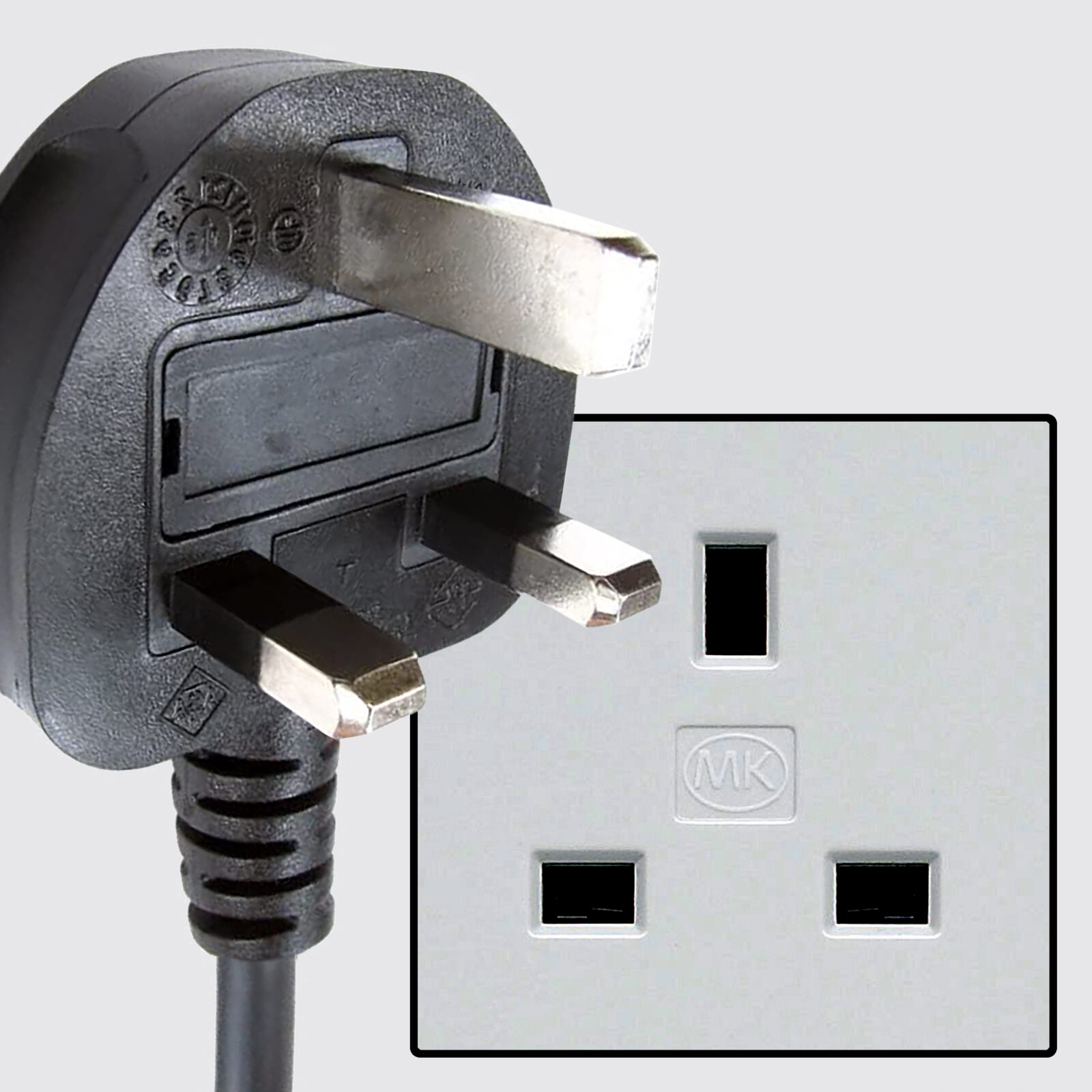
Uganda commonly uses Type G plugs with British style three pin sockets. Bring a universal adapter, a power bank, and charging cables for every device. A small flashlight or headlamp can also help during early starts. If you use camera gear, pack extra memory cards and batteries. Wildlife will not repeat the perfect moment because your battery needed a nap.
Safety and Daily Travel Habits
Uganda can feel welcoming and easy to navigate with good planning. Still, travelers should use the same awareness they would use in any busy destination.
Avoid displaying large amounts of cash, expensive jewelry, or unattended electronics. Use hotel safes when available, follow your guide’s advice, and avoid walking alone at night in unfamiliar areas.
Road travel can take longer than distance suggests. Traffic, roadworks, weather, and rural routes can slow the day. Build patience into your schedule, especially when traveling between Entebbe, Kampala, national parks, and forest regions. A flexible mindset helps because safari logistics run on real terrain, not spreadsheet optimism.
Transportation Around Cities
For city movement, use trusted private transfers or reputable ride hailing services where available. Avoid random transport offers from strangers, especially late at night.
If you use a boda boda motorcycle taxi, choose a trusted provider and wear a helmet. Download Apps like Uber, SafeBoda, Faras, and/or Bolt for local boda boda and car hires. These are the reputable transportation Apps and generally work between Entebbe and Kampala.
For example, a road trip from Kampala to Jinja (2 hour drive) using one of these Apps would cost way more than hiring a private car hire because of the distance, however, within the city the rates are fare and safe.
For safari travel, professional drivers and guides add safety, local knowledge, and better timing.

Water Food and Dietary Needs
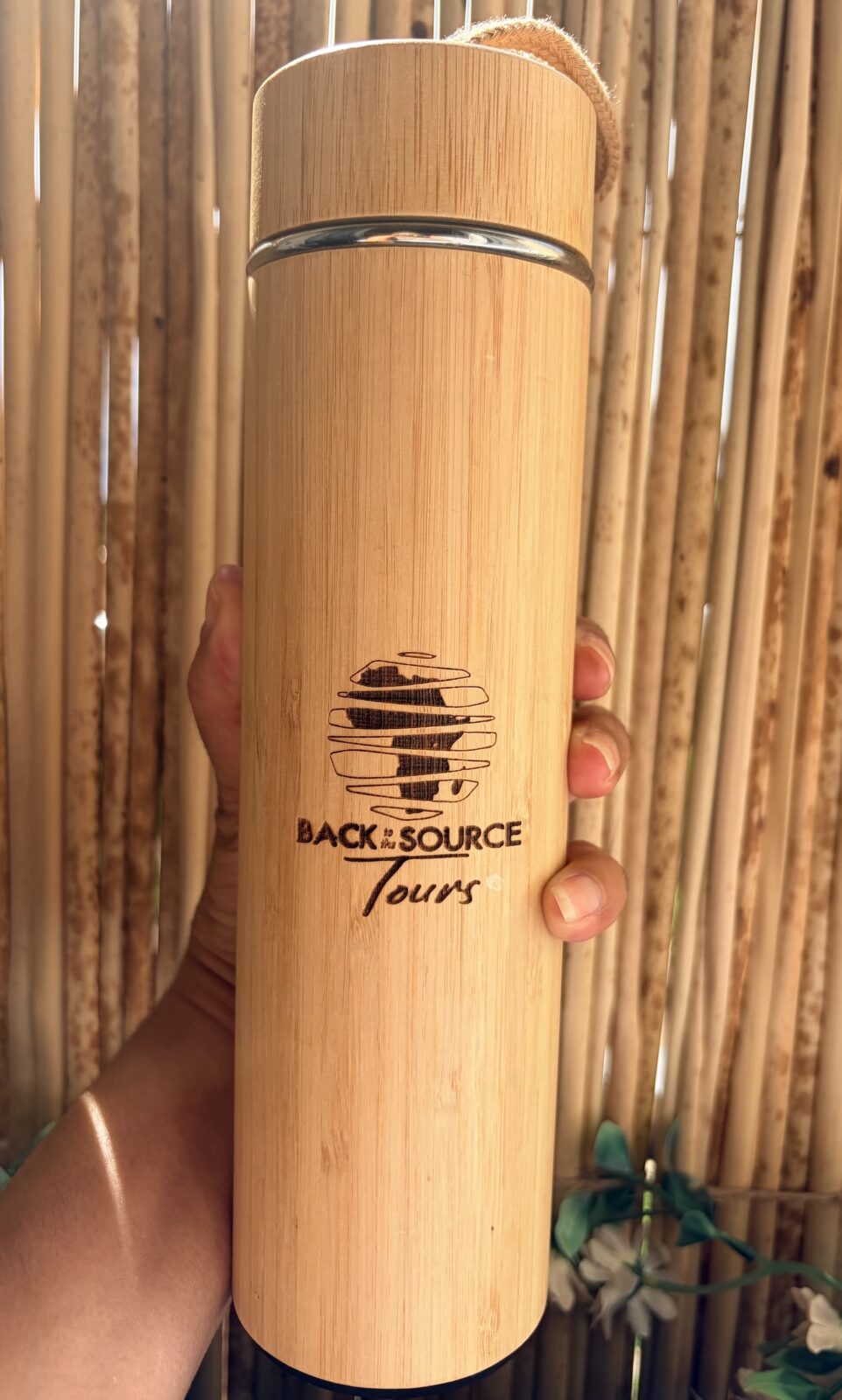
Do not drink tap water in Uganda unless a trusted source confirms filtration. Use bottled or filtered drinking water for drinking and brushing your teeth. A refillable bottle works well when your vehicle or lodge provides safe refill options. This reduces plastic waste and supports better travel habits. Most reputable tour operators like Back to the Source Tours, provide their arriving travel clients with an eco-friendly reusable bottle for you to use during the tour and a token of appreciation we hope you take back home.
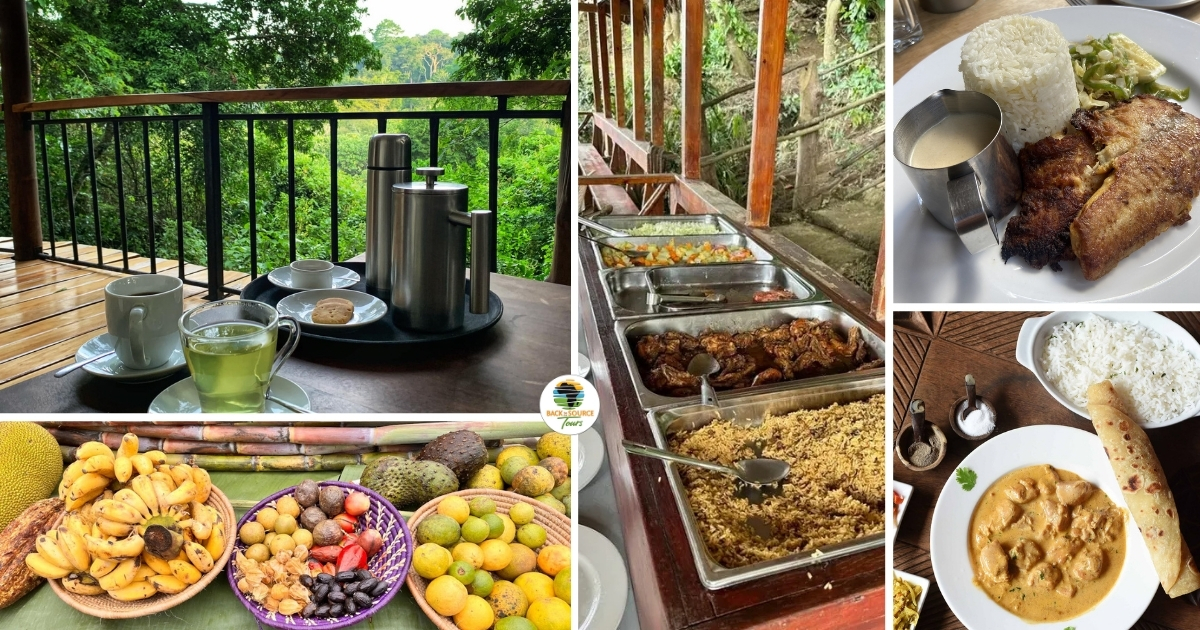
Ugandan food can feel hearty, fresh, and comforting. Travelers may encounter matooke, rice, beans, grilled meats, fish, vegetables, chapati, tropical fruit, and fresh juices. If you have allergies or dietary needs, share them before arrival and remind your guide during the trip. Clear communication helps kitchens prepare properly and reduces last minute confusion.
Responsible Food Choices
Order what you can finish and avoid unnecessary food waste. Ask about portion sizes before ordering, especially after long safari days. When possible, support local restaurants, markets, and community enterprises with clean preparation standards. Responsible travel often begins with simple decisions that respect people, resources, and place.
Responsible Safari Etiquette in Uganda
Responsible safari travel protects wildlife, communities, and the quality of your own experience. Never feed animals, call wildlife closer, throw food from vehicles, or pressure guides to break park rules. Feeding wildlife changes animal behavior and increases conflict near roads, villages, and protected areas. A good photo should never cost an animal its safety.
During community visits, ask before taking photos of people, homes, children, ceremonies, or private spaces. Buy local crafts directly when you can, and respect prices for handmade work. Also avoid giving sweets or money to children on roadsides. That habit can encourage unsafe behavior and disrupt school routines. Better support goes through trusted community programs.
Wildlife and Conservation Experiences to Consider
Uganda offers powerful conservation experiences beyond standard game drives. Travelers can track rhinos at Ziwa Rhino & Wildlife Ranch, search for the rare Shoebill at Mabamba Swamp, or visit rescued chimpanzees at Ngamba Island Chimpanzee Sanctuary. For a wider overview, use this National Parks of Uganda guide to compare destinations.
Final Uganda Travel Tips Before You Go
Before traveling to Uganda, check your passport validity, complete your visa application, confirm your yellow fever certificate, and review your insurance. Then, pack for real conditions rather than perfect weather. Bring practical clothing, strong shoes, sun protection, insect repellent, and a patient mindset. Uganda rewards travelers who prepare well and stay open to the rhythm of the journey.
The strongest Uganda trips combine wildlife, culture, conservation, and respectful curiosity. You may arrive for gorillas, rhinos, waterfalls, chimpanzees, or the Nile. Yet the full experience often comes through the people, landscapes, food, conversations, and small moments between the major highlights. Plan well, travel lightly, and leave space for Uganda to surprise you.
Plan this experience with Back to the Source Tours: East Africa Tour Packages, East Africa Group Tours, and/or Request Your East Africa Safari Quote.