

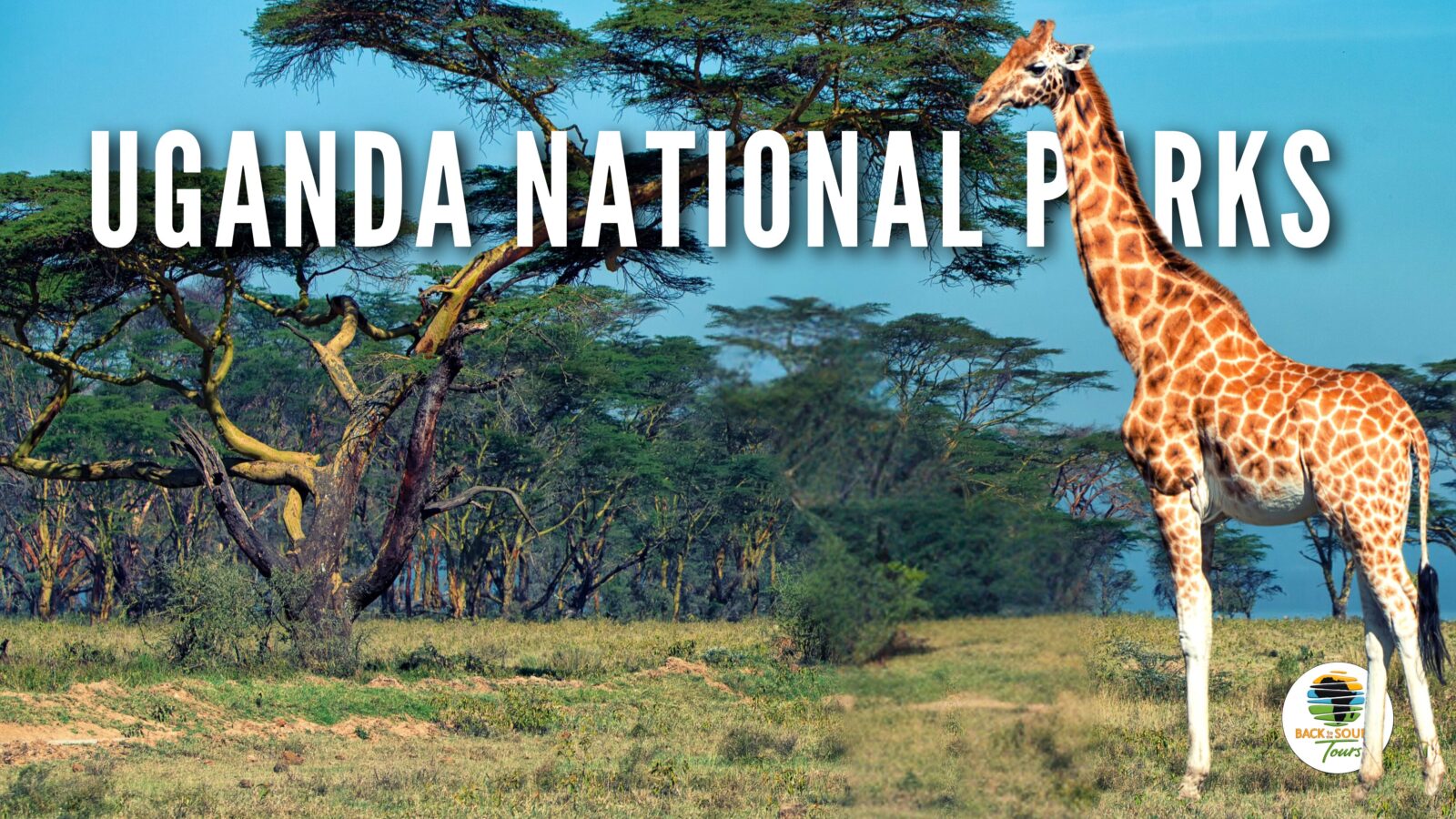
Uganda is home to 10 national parks and a wider protected area network that includes wildlife reserves, sanctuaries, community wildlife areas, wetlands, forests, mountains, savannah, crater lakes, and river systems. For travelers planning a safari, the national parks often provide the main route structure, while nearby reserves add conservation context, wildlife corridors, birding opportunities, cultural depth, and quieter landscapes beyond the headline stops.
This Uganda national parks directory helps travelers compare where to go, what each park is best known for, and which wildlife reserves naturally connect with each region. Use it as a practical planning guide before choosing a Uganda safari itinerary, gorilla trekking route, chimpanzee trekking experience, birding route, hiking trip, or longer East Africa safari.
Back to the Source Tours designs Uganda safari routes around travel dates, wildlife goals, trekking fitness, budget, comfort level, and the amount of time each traveler has available. Uganda rewards careful planning because its best experiences are spread across rainforest, savannah, wetlands, highlands, river valleys, and remote northern wilderness.
How to Use This Uganda Parks and Reserves Directory
Start with the national parks because they shape the main safari route. Then look at the associated wildlife reserves to understand which protected areas may support the same ecosystem, sit along the travel corridor, or work as a specialized extension. Some reserves are strong tourism destinations. Others remain better suited for conservation interest, birding, research, route context, or future travel planning.
- Best for gorilla trekking: Bwindi Impenetrable National Park and Mgahinga Gorilla National Park.
- Best for chimpanzee trekking: Kibale Forest National Park, with additional forest and primate experiences in Semuliki and Toro Semliki.
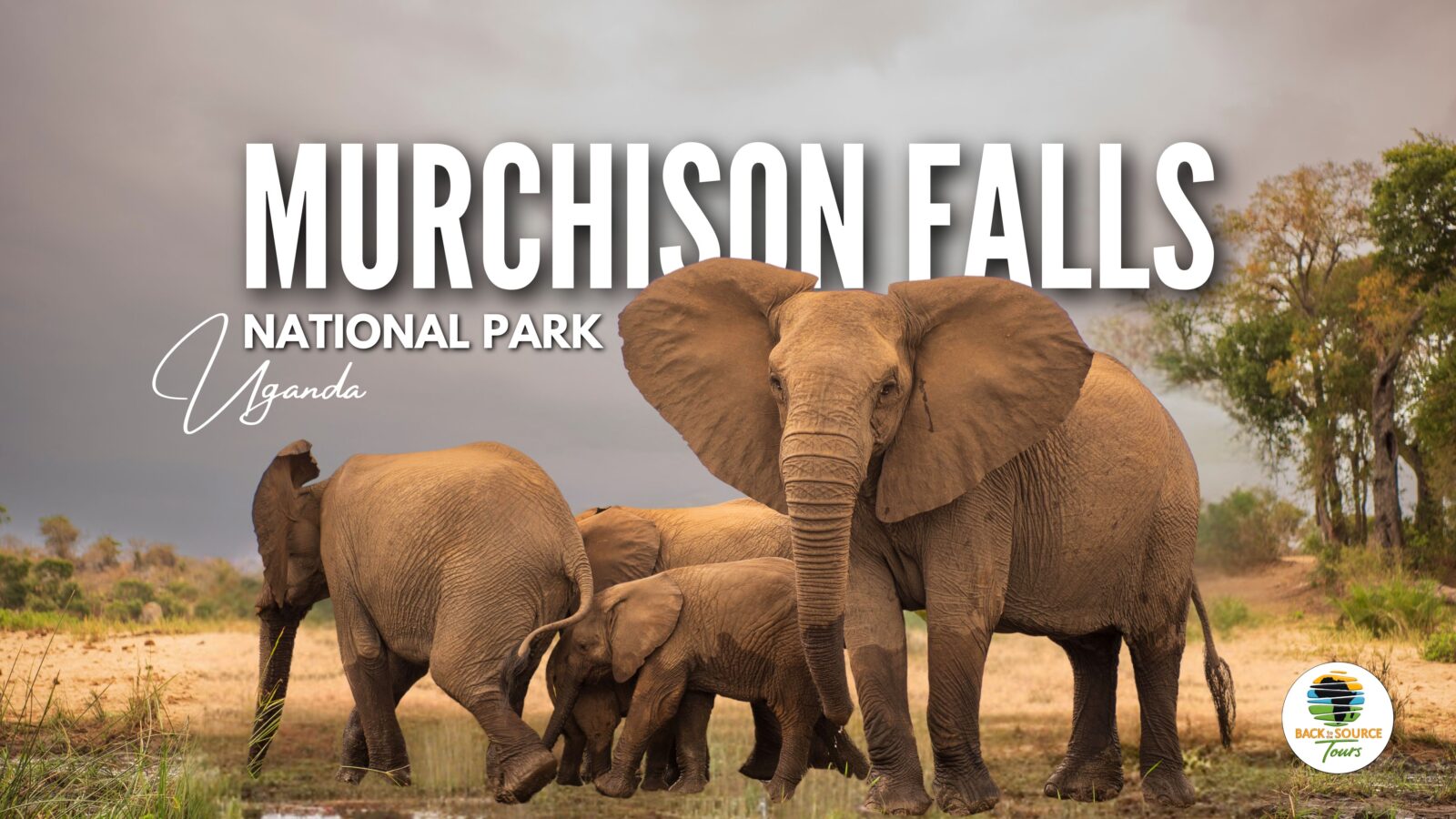
- Best for classic wildlife safari: Murchison Falls National Park, Queen Elizabeth National Park, Kidepo Valley National Park, and Lake Mburo National Park.
- Best for hiking: Rwenzori Mountains National Park, Mount Elgon National Park, Mgahinga Gorilla National Park, and Bwindi forest trails.
- Best for birding: Semuliki National Park, Mabamba Swamp, Murchison Falls, Queen Elizabeth, Kibale, Lake Mburo, and Toro Semliki Wildlife Reserve.
- Best for remote wilderness: Kidepo Valley National Park, Pian Upe Wildlife Reserve, Matheniko Wildlife Reserve, and Bokora Corridor Wildlife Reserve.
Best Uganda National Parks by Safari Interest
Best Uganda Parks for Gorilla Trekking
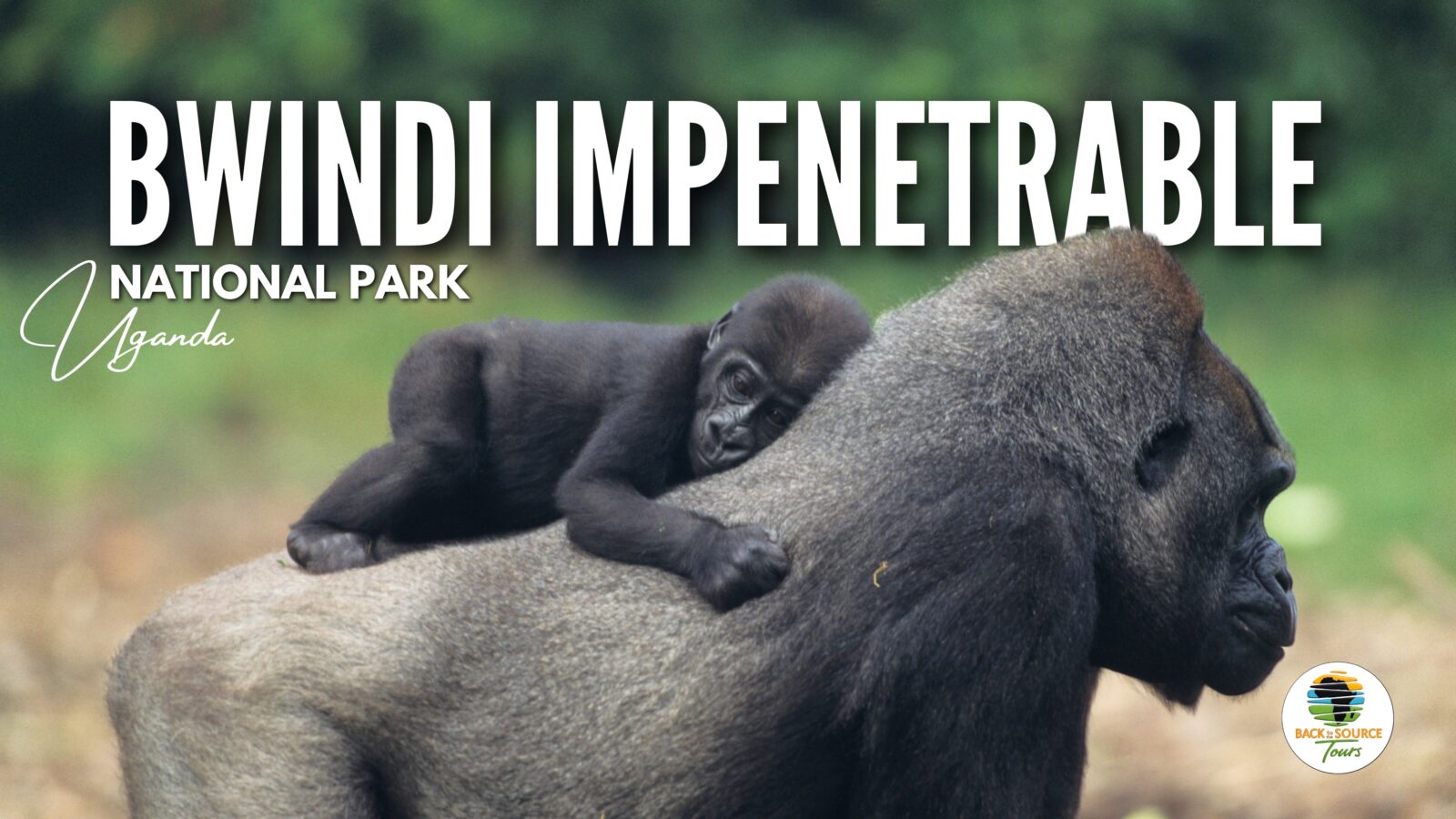
Bwindi Impenetrable National Park is Uganda’s leading gorilla trekking destination and one of the strongest reasons travelers choose the country. The forest is ancient, steep, dense, and deeply atmospheric. Treks can vary from moderate to demanding, depending on the assigned gorilla family, trail conditions, weather, and the movement of the gorillas on the day.
Travelers can review the full Bwindi Impenetrable National Park guide for details on gorilla trekking, Buhoma, route planning, packing, and what to expect before the trek.
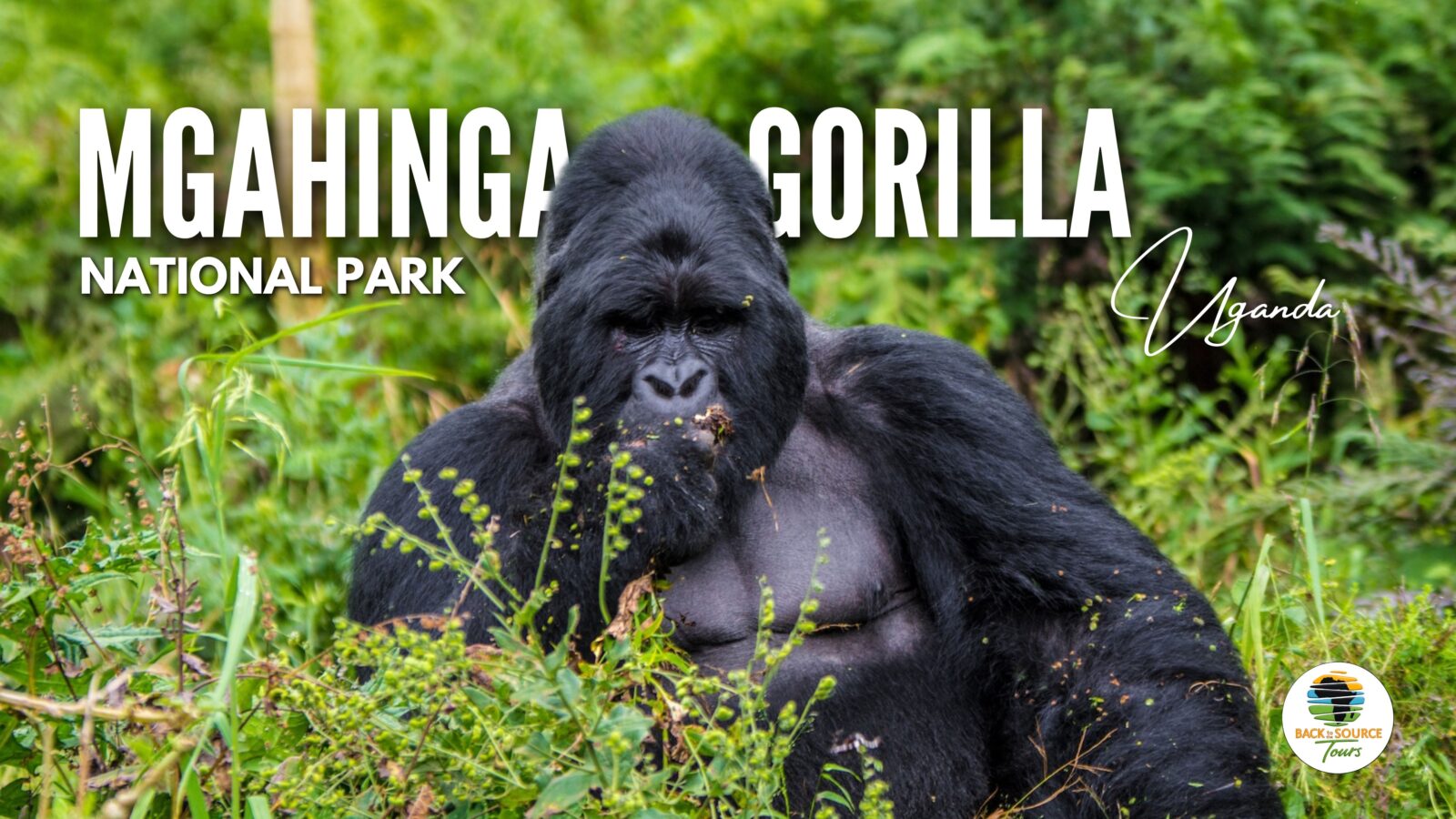
Mgahinga Gorilla National Park gives travelers a smaller and more volcanic gorilla trekking setting near the borders of Rwanda and the Democratic Republic of Congo. It also offers golden monkey tracking, volcano hikes, and strong Batwa cultural context. Travelers who want a less crowded gorilla route or a Rwanda connection should compare Mgahinga with Bwindi.
The associated reserve for this region is Kigezi Wildlife Reserve, which supports the broader southwest route between Queen Elizabeth, Bwindi, and Mgahinga. It works best as route context, not as the main reason to travel south.
Best Uganda Parks for Chimpanzee Trekking
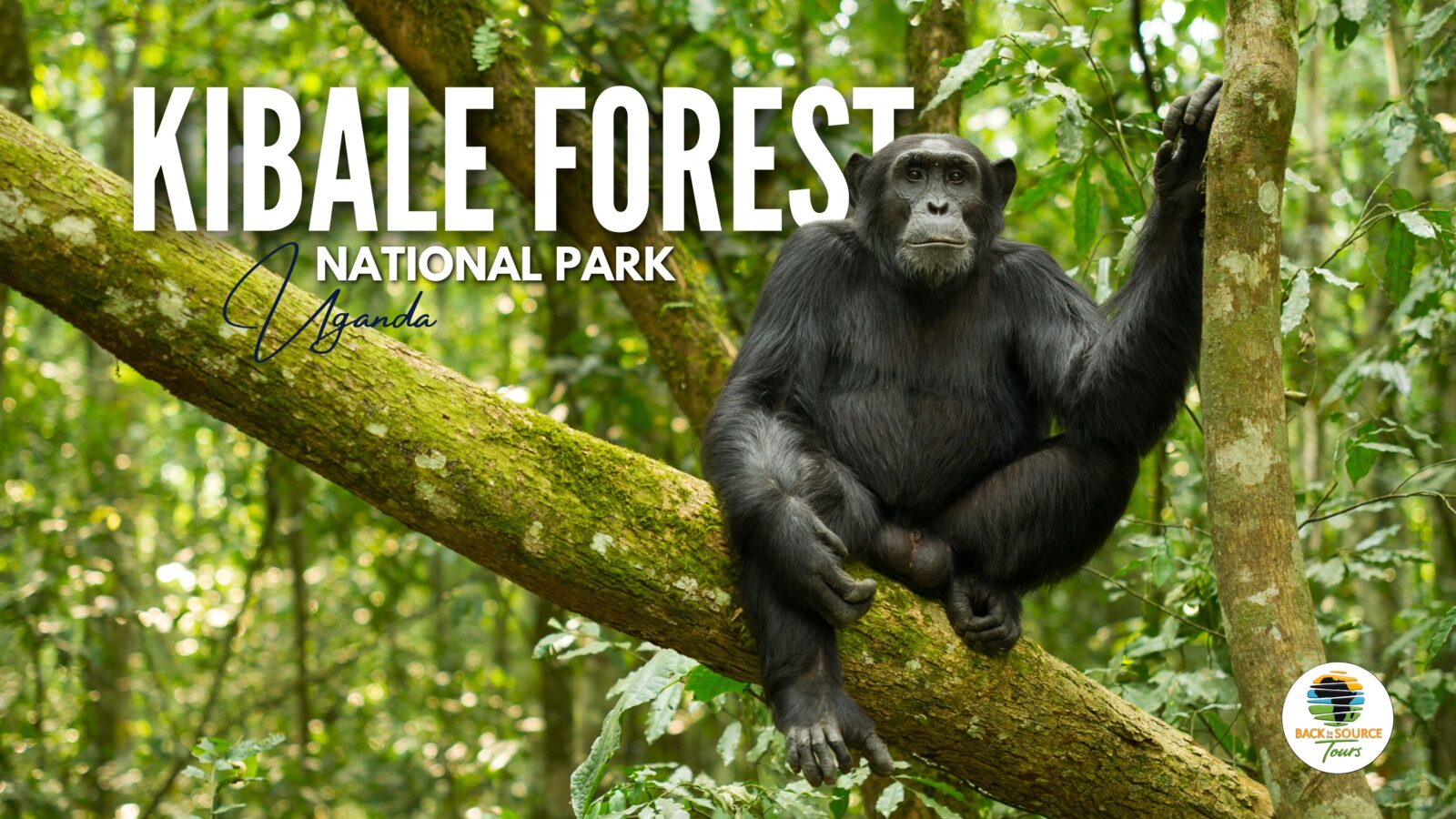
Kibale Forest National Park is Uganda’s strongest chimpanzee trekking destination. The forest also supports many other primates, excellent birding, and nearby community based wetland experiences. It fits naturally with Queen Elizabeth National Park, Bigodi Wetland, Fort Portal crater lakes, Rwenzori foothills, and Semuliki.
Use the Kibale Forest National Park Uganda guide for chimpanzee trekking planning, Bigodi Wetland, primates, route timing, and safari combinations.
Associated reserves include Katonga Wildlife Reserve for wetland route interest and Toro Semliki Wildlife Reserve for travelers extending west toward Semuliki, Lake Albert, and the Rwenzori region.
Best Uganda Parks for Classic Wildlife Safaris
Murchison Falls National Park gives travelers one of Uganda’s most complete safari experiences. Game drives, Nile River boat safaris, waterfall viewpoints, giraffes, elephants, buffaloes, hippos, crocodiles, and birdlife make it a strong first choice for travelers who want a classic wildlife route with dramatic scenery.
Read the Murchison Falls National Park Uganda guide for planning details on game drives, the Nile boat safari, the Top of the Falls, wildlife viewing, access routes, and itinerary ideas.
Associated reserves include Bugungu Wildlife Reserve, Karuma Wildlife Reserve, Kabwoya Wildlife Reserve, Ajai Wildlife Reserve, and East Madi Wildlife Reserve. These protected areas help travelers understand the wider northern and Lake Albert conservation landscape connected to Murchison and West Nile route planning.
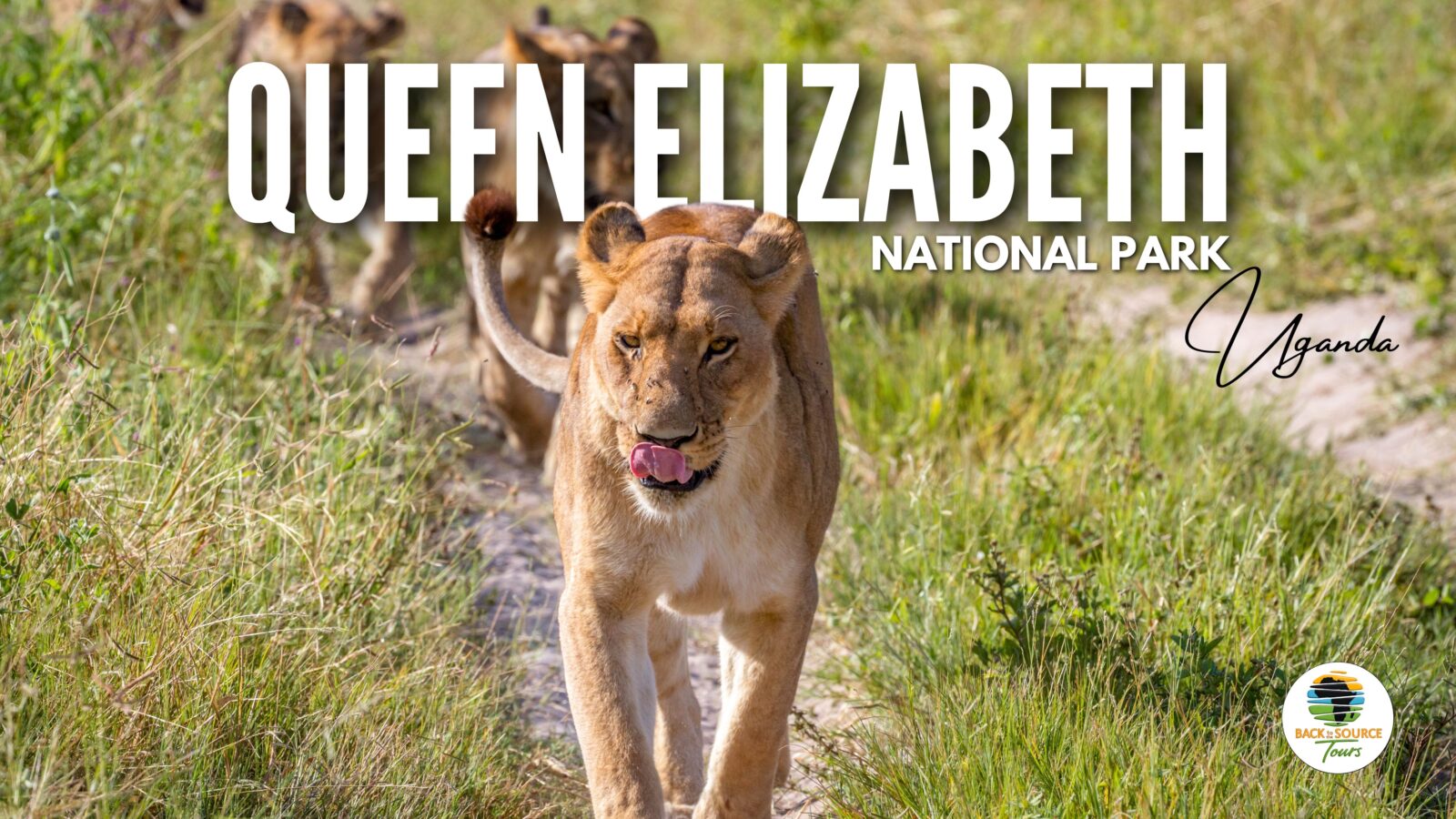
Queen Elizabeth National Park offers a different style of classic safari. The Kazinga Channel boat cruise, Ishasha sector, crater scenery, elephants, buffaloes, hippos, crocodiles, antelope, lions, and prolific birdlife make the park one of Uganda’s most flexible western safari destinations.
Review the Queen Elizabeth National Park Uganda safari guide for Kazinga Channel, Ishasha, Lake Katwe, crater drives, wildlife planning, and how to combine the park with Bwindi or Kibale.
Associated reserves include Kyambura Wildlife Reserve and Kigezi Wildlife Reserve. Kyambura connects strongly with the Queen Elizabeth region and the famous gorge landscape. Kigezi supports the broader southwestern route toward Bwindi and Mgahinga.
Kidepo Valley National Park is Uganda’s most remote major savannah park. It suits travelers who want broad landscapes, strong wilderness atmosphere, lions, buffaloes, giraffes, zebras, ostriches, cultural routes, and fewer visitors. Kidepo works best with more time because the journey is part of the reward.
The Kidepo Valley National Park Uganda guide can help travelers understand routes, wildlife, timing, and how to plan a northern Uganda safari.
Associated reserves include Pian Upe Wildlife Reserve, Matheniko Wildlife Reserve, and Bokora Corridor Wildlife Reserve. These reserves connect Kidepo with the wider Karamoja landscape, wildlife corridors, pastoral culture, and remote eastern to northeastern Uganda routes.

Best Uganda Park for a Short Safari
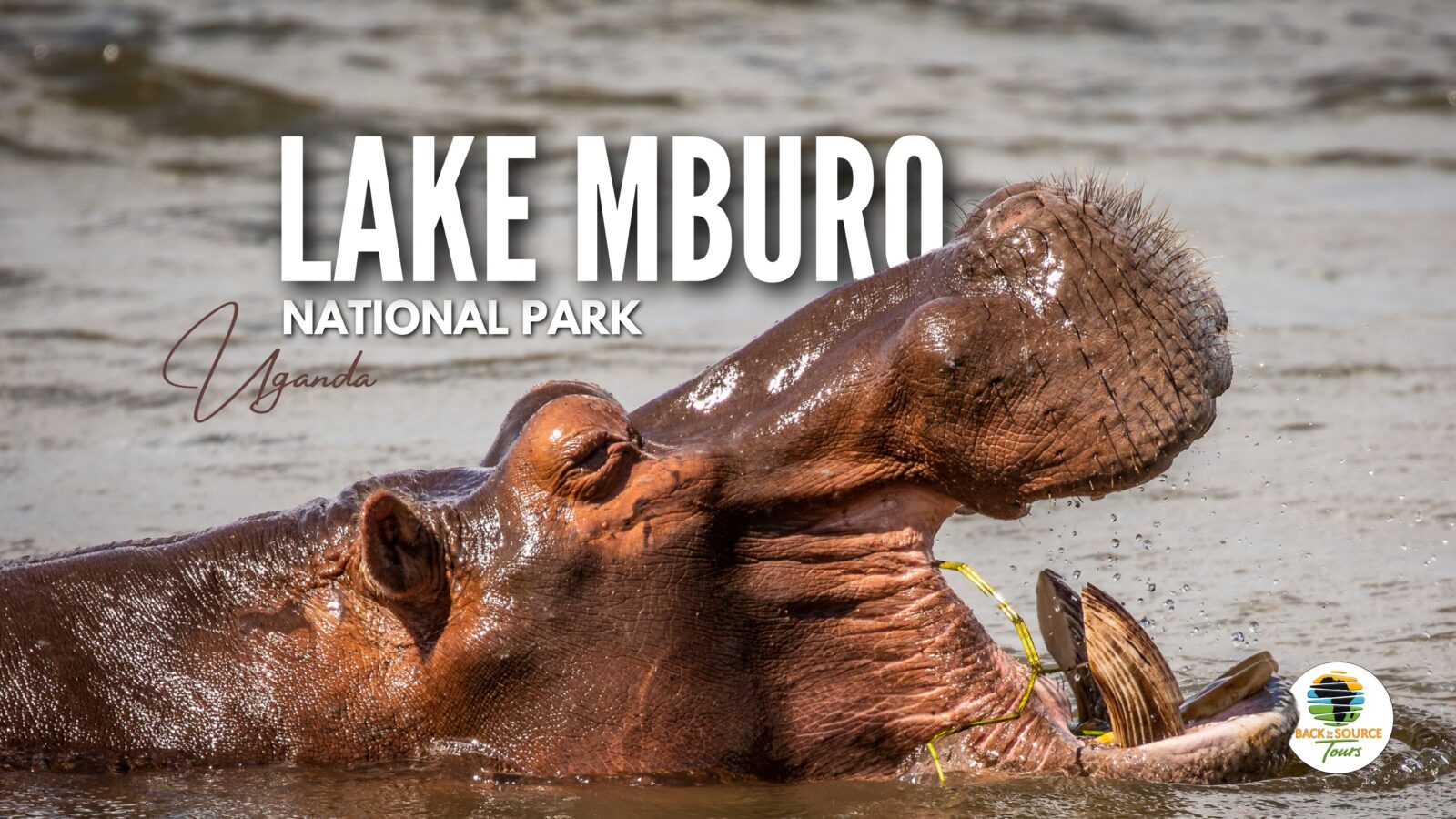
Lake Mburo National Park is one of the easiest safari parks to include on a shorter Uganda itinerary. It sits along the Kampala, Entebbe, Mbarara, and southwest travel corridor, which makes it useful before or after Bwindi, Queen Elizabeth, or Mgahinga. The park is known for zebras, impalas, elands, waterbucks, boat trips, walking safaris, horseback riding, cycling, and birding.
Use the Lake Mburo National Park Uganda guide to compare walking safaris, wildlife, boat trips, route timing, and short Uganda safari options.
The main associated reserve for this route is Katonga Wildlife Reserve, especially for travelers interested in wetlands, birding, and quieter landscapes between central and western Uganda.
Best Uganda Parks for Hiking and Mountain Routes
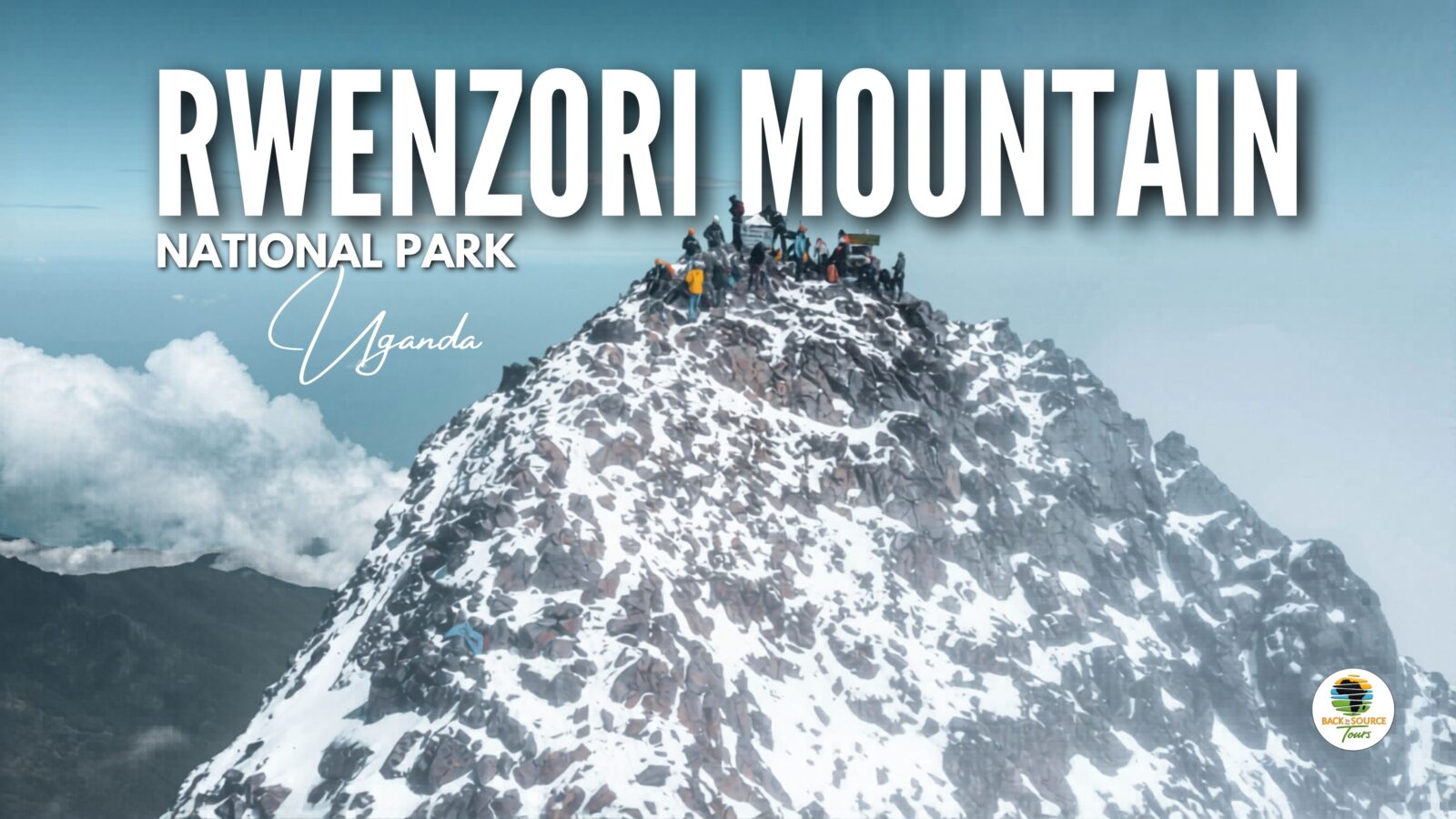
Rwenzori Mountains National Park is Uganda’s premier trekking destination for serious hikers. Its alpine vegetation, waterfalls, glaciers, high altitude routes, and dramatic mountain scenery make it very different from a standard wildlife safari. This is a park for travelers who want physical challenge, mountain landscapes, and a deeper western Uganda journey.
Travelers can review the Rwenzori National Park Uganda hiking guide for mountain route planning, trekking expectations, scenery, and cultural context.
Associated reserves include Toro Semliki Wildlife Reserve for Lake Albert, savannah, birding, and western rift valley scenery, and Kyambura Wildlife Reserve when the wider itinerary connects to Queen Elizabeth National Park.
Mount Elgon National Park is ideal for travelers who want eastern Uganda hiking without the same altitude commitment as the Rwenzori. The region pairs well with Sipi Falls, coffee experiences, caves, waterfalls, birding, and scenic village routes.
The Mount Elgon National Park Uganda guide helps travelers plan hiking, Sipi Falls, culture, coffee, and eastern Uganda extensions.
Associated reserves include Pian Upe Wildlife Reserve, Matheniko Wildlife Reserve, and Bokora Corridor Wildlife Reserve. These reserves help connect Mount Elgon with Karamoja and Kidepo for travelers who want a more adventurous eastern and northern Uganda route.

Best Uganda Park for Lowland Forest and Birding
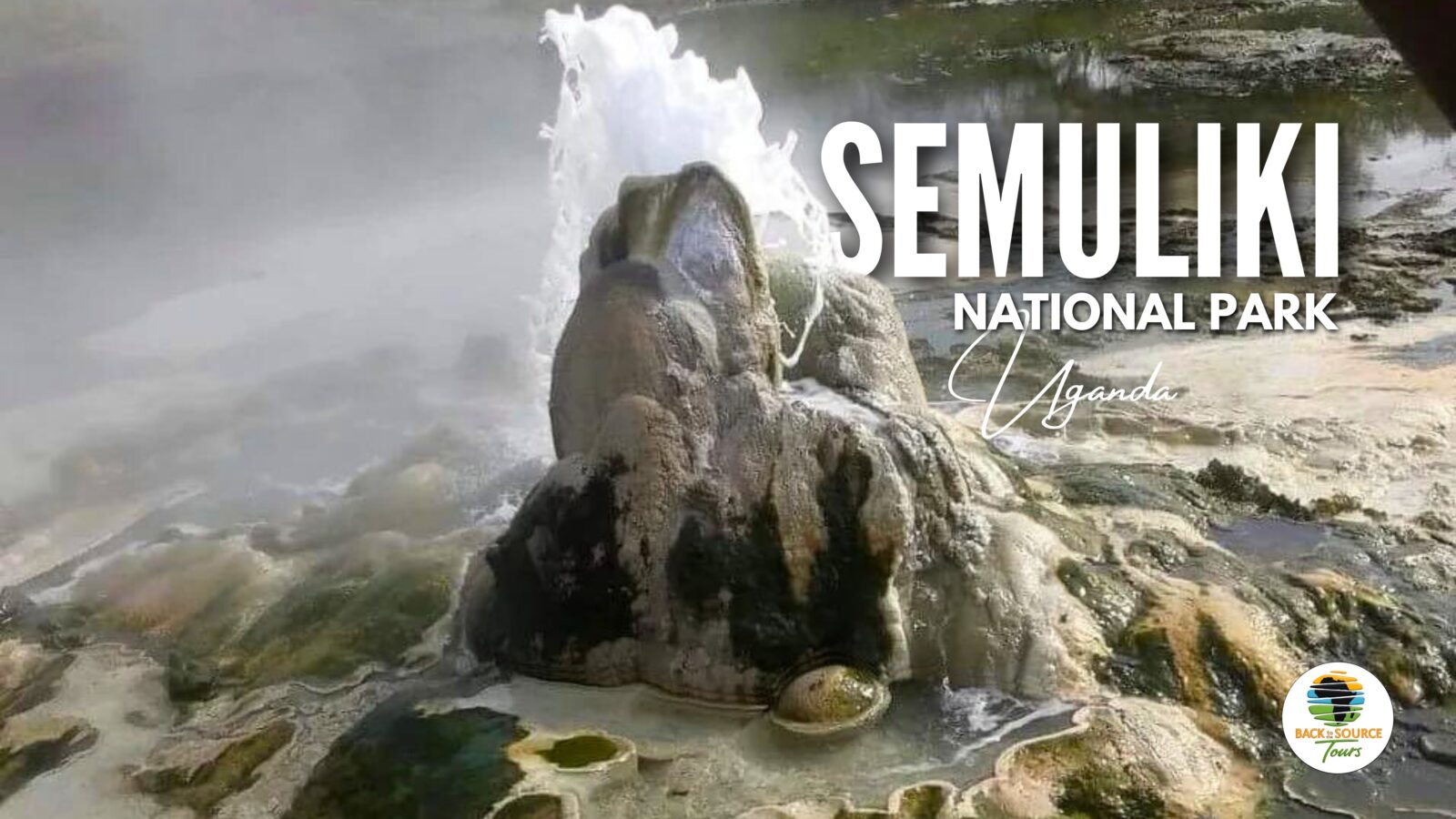
Semuliki National Park protects a rare lowland rainforest landscape near the Congo Basin influence of western Uganda. It is best for birders, forest walkers, hot spring visits, primate interest, and travelers who enjoy quiet nature routes beyond the more famous safari parks.
Use the Semuliki National Park Uganda guide to plan Sempaya Hot Springs, forest trails, birding, primates, Fort Portal connections, and western Uganda routing.
The main associated reserve is Toro Semliki Wildlife Reserve. This reserve sits in the wider western rift landscape and adds savannah, Lake Albert access, birding, primates, game drives, nature walks, and community tourism potential to a Semuliki, Kibale, or Rwenzori route.
Wildlife Reserves Associated With Uganda Safari Routes
Uganda’s wildlife reserves do not all function like national parks. Some reserves protect wildlife corridors, wetland habitat, rangelands, river systems, or sensitive conservation areas. Others can fit into safari planning when travelers have enough time, strong special interests, and current access guidance from local operators or Uganda Wildlife Authority.
- Ajai Wildlife Reserve: Best associated with Murchison Falls, West Nile, East Madi, and longer northern Uganda routes.
- Bokora Corridor Wildlife Reserve: Best associated with Kidepo Valley, Matheniko, Pian Upe, and Karamoja wilderness routes.
- Bugungu Wildlife Reserve: Best associated with Murchison Falls National Park and the Lake Albert side of the Murchison landscape.
- East Madi Wildlife Reserve: Best associated with Murchison Falls, Ajai, West Nile, and northern Uganda conservation routes.
- Kabwoya Wildlife Reserve: Best associated with Lake Albert, Hoima, Murchison Falls, Kibale, and western route extensions.
- Karuma Wildlife Reserve: Best associated with Murchison Falls National Park, the Nile crossing, and the Kampala to northern Uganda corridor.
- Katonga Wildlife Reserve: Best associated with Lake Mburo, Kibale, Queen Elizabeth, and wetland focused route planning.
- Kigezi Wildlife Reserve: Best associated with Queen Elizabeth, Bwindi, Mgahinga, and the southwest Uganda safari corridor.
- Kyambura Wildlife Reserve: Best associated with Queen Elizabeth National Park, Kyambura Gorge, Kazinga Channel, and the Kibale to Queen Elizabeth route.
- Matheniko Wildlife Reserve: Best associated with Kidepo Valley, Pian Upe, Bokora Corridor, and Karamoja cultural and wilderness routes.
- Pian Upe Wildlife Reserve: Best associated with Mount Elgon, Sipi Falls, Karamoja, and Kidepo Valley National Park.
- Toro Semliki Wildlife Reserve: Best associated with Semuliki National Park, Rwenzori Mountains, Kibale, Fort Portal, Lake Albert, and western Uganda birding routes.
Responsible Travel Across Uganda Parks and Reserves
Responsible travel matters in every Uganda protected area. Travelers should respect ranger instructions, keep safe distance from wildlife, avoid feeding animals, reduce plastic waste, stay on approved trails, support local guides, and ask permission before photographing people. These practices protect wildlife, improve guest safety, and support communities near the parks and reserves.
Gorilla and chimpanzee trekking require additional care. Visitors should not trek when sick, should follow viewing distance guidance, and should respect time limits with primates. Porter support can make trekking safer while supporting local livelihoods. The best safari leaves strong memories, not heavy footprints.
Plan Your Uganda Safari With the Right Park and Reserve Combination
Uganda is not a one note safari destination. Its strength comes from contrast. One itinerary can include mountain gorillas in Bwindi, chimpanzees in Kibale, the Nile at Murchison Falls, the Kazinga Channel in Queen Elizabeth, zebras in Lake Mburo, volcanoes in Mgahinga, lowland forest in Semuliki, alpine trekking in the Rwenzori, eastern waterfalls around Mount Elgon, and remote savannah in Kidepo.
The wildlife reserves make that story stronger. They protect corridors, wetlands, rangelands, river systems, and lesser visited habitats that support Uganda’s broader conservation landscape. Travelers do not need to visit every reserve. They need to understand which reserves add meaning to the route they already want to take.
Start your custom Uganda safari request here: Request your East Africa safari quote.
For broader itinerary ideas, compare Uganda tour packages or review East Africa tour packages if you want to connect Uganda with Kenya, Tanzania, Rwanda, Zanzibar, or the Kenya coast.