

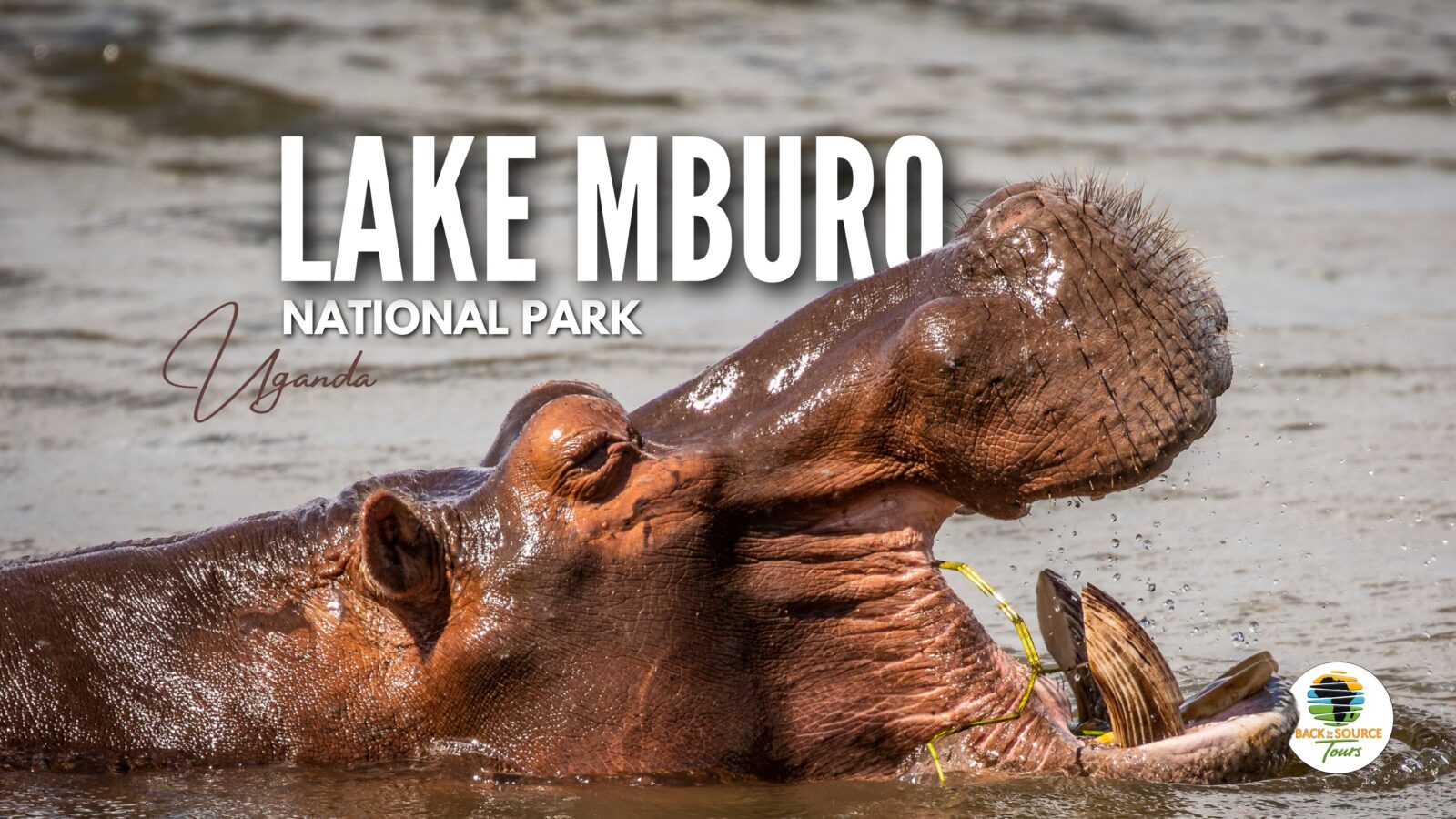
Lake Mburo National Park gives travelers one of Uganda’s most accessible and rewarding safari experiences. The park sits in western Uganda, close to Mbarara and the main route between Kampala and the country’s western safari circuit. Because of this location, Lake Mburo works beautifully at the beginning or end of a longer Uganda itinerary.
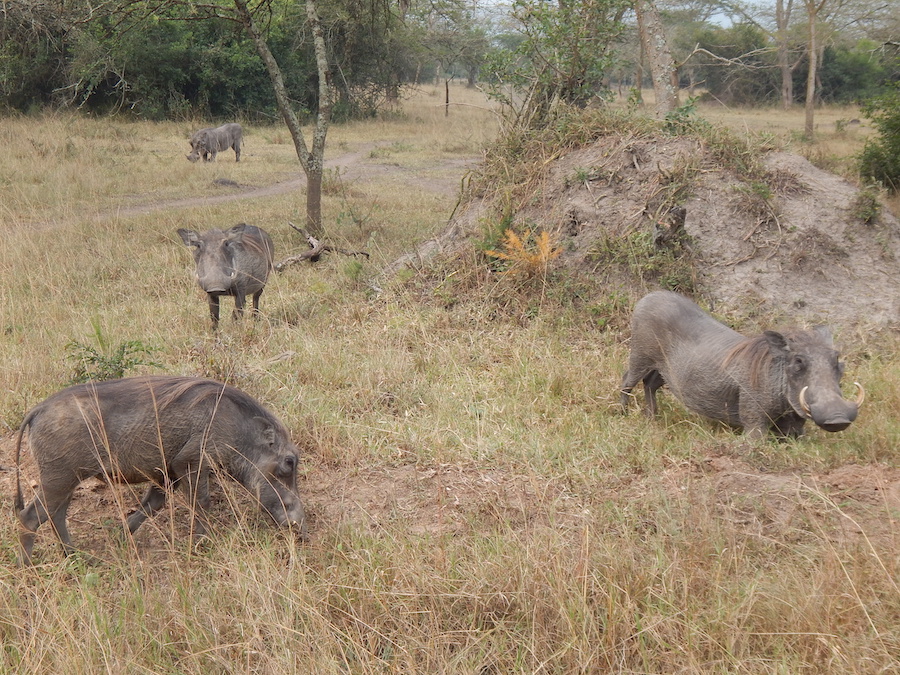
Although the park feels compact, it carries impressive variety. Travelers can see zebras, impalas, elands, giraffes, buffaloes, topis, waterbucks, hippos, crocodiles, and many bird species. Meanwhile, the landscape moves between open savannah, acacia woodland, papyrus wetlands, rocky ridges, and lakeshore habitat. As a result, Lake Mburo feels calm, scenic, active, and easy to include in a well planned safari. Back to the Source Tours often recommends Lake Mburo National Park for travelers who want a softer safari rhythm before larger parks or forest trekking.
The park connects well with Entebbe, Mbarara, Queen Elizabeth National Park, Bwindi Impenetrable Forest, and cultural experiences around Ankole cattle country.
Suggested Lake Mburo Safari Flow
One Night in Lake Mburo National Park
A one night stay can work for travelers with limited time. Guests can leave Entebbe or Kampala, stop at the Equator Crossing, and continue toward Lake Mburo. Depending on arrival time, the afternoon can include a boat safari, short game drive, or lodge relaxation. The next morning can focus on a guided walking safari before departure. This structure gives travelers a strong taste of the park, although it can feel full. Back to the Source Tours recommends this option when the wider itinerary has tight timing.
Two Nights in Lake Mburo National Park
A two night stay gives Lake Mburo better breathing room. Guests can enjoy a game drive, walking safari, boat safari, birding, and meaningful lodge time without rushing. This option works well for families, photographers, active travelers, and guests who want a smoother pace.
With two nights, Back to the Source Tours can also add cultural experiences near Mbarara or Ankole cattle country. As a result, the stop becomes more than a quick wildlife visit.
Lake Mburo With Western Uganda
A longer western Uganda route can connect Lake Mburo, Queen Elizabeth National Park, Kibale Forest National Park, and Bwindi Impenetrable Forest. This design gives travelers walking safaris, boat safaris, chimpanzee trekking, big game viewing, community experiences, and gorilla trekking.
Back to the Source Tours can build this flow through East Africa Tour Packages, with pacing adjusted for private travelers, families, groups, photographers, or conservation focused guests.

Best Time to Visit Lake Mburo National Park
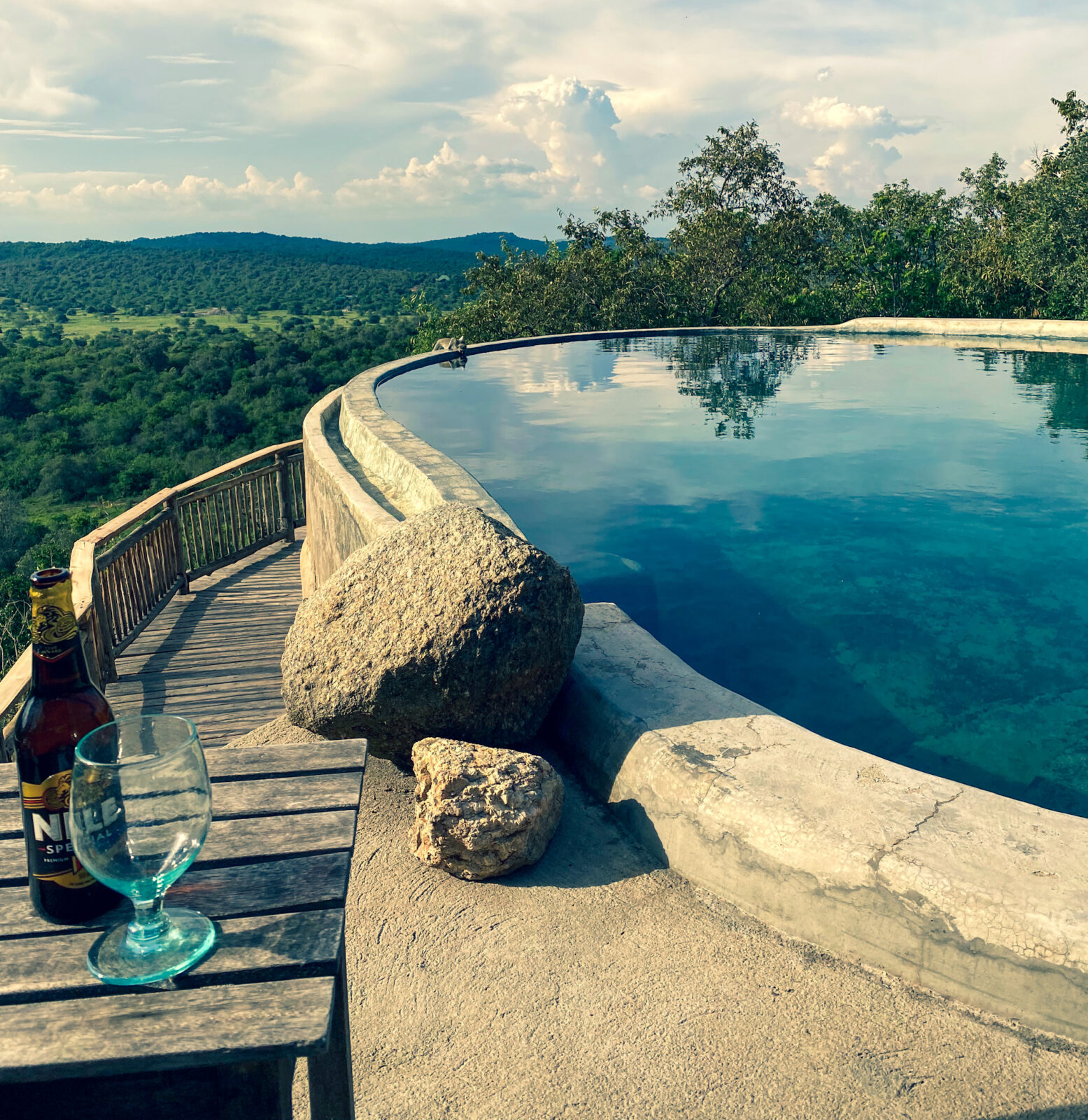
Travelers can visit Lake Mburo National Park throughout the year. However, each season changes the look and feel of the experience. Drier months can make walking safaris and game drives easier, especially when animals gather near water sources. Meanwhile, greener months can bring fresh scenery, active birdlife, and softer landscape color.
Morning activities often work best because temperatures feel cooler and wildlife movement can feel stronger. Late afternoons also offer beautiful light for photography, especially around open plains and lake views. At the same time, boat safaris can work well across different parts of the day, depending on weather and scheduling.
Back to the Source Tours plans Lake Mburo with the full itinerary in mind. For example, we consider road timing, lodge location, activity slots, meal breaks, and onward travel to Bwindi, Queen Elizabeth, or Entebbe. Good planning keeps the park from becoming just a stopover. Instead, it becomes a polished part of the safari story.
What to Pack for Lake Mburo National Park
Pack comfortable safari clothing in neutral colors, sturdy walking shoes, a hat, sunglasses, sunscreen, and insect repellent. If you plan a walking safari, choose shoes with good grip because trails can feel uneven or damp after rain. A light rain jacket also helps because Uganda’s weather can shift quickly. Binoculars help with birds, distant wildlife, and lakeshore viewing.
A camera with extra batteries also helps because Lake Mburo offers excellent scenery, wildlife, and lodge photography. Meanwhile, travelers taking boat safaris should protect cameras and phones from water spray. A small daypack can keep essentials organized during activities. For longer Uganda safaris, pack with the full route in mind.
Lake Mburo may feel warm and open, while Bwindi Impenetrable Forest can feel cooler and wetter. Back to the Source Tours provides packing guidance based on the final itinerary, season, activities, and accommodation style.
Responsible Travel in Lake Mburo National Park
Responsible travel matters in Lake Mburo National Park because the area protects wildlife, wetlands, grazing landscapes, and community connections. Travelers should follow ranger and guide instructions at all times. Guests should also keep a respectful distance from animals, avoid loud behavior, and never feed wildlife.
Walking safaris require extra awareness. Stay with the ranger, follow directions quickly, and avoid sudden movement near wildlife. During boat safaris, keep hands inside the boat and respect safe distances from hippos and crocodiles. These simple choices protect travelers and wildlife at the same time. Cultural experiences also deserve care. Ask before taking photos, support local enterprises fairly, and approach each visit with respect.
Back to the Source Tours designs Uganda safaris with wildlife care, community value, and guest comfort in mind. When travelers respect both people and place, the safari becomes stronger, smarter, and more memorable.


Plan Lake Mburo National Park With Back to the Source Tours
Lake Mburo National Park deserves a strong place in Uganda safari planning. The park offers walking safaris, zebras, impalas, giraffes, boat trips, birding, lakes, culture, and easy access from the main western route. Because of that, it works well for short Uganda safaris and longer wildlife journeys.
Back to the Source Tours can include Lake Mburo in private safaris, group tours, family trips, active journeys, photography routes, and conservation focused itineraries. We also connect it naturally with Entebbe, Queen Elizabeth National Park, Kibale Forest National Park, Bwindi Impenetrable Forest, and cultural stops around Mbarara.
Start with East Africa Tour Packages, explore East Africa Group Tours, or complete the East Africa Safari Travel Form for a custom Uganda safari plan.