


Bigodi Wetland Sanctuary gives travelers one of the most meaningful nature and community experiences near Kibale National Park. Located in western Uganda near Kanyanchu Visitor Centre, Bigodi works beautifully before or after chimpanzee trekking in Kibale Forest. The experience adds birds, primates, wetland scenery, local guiding, and direct community impact to a Uganda safari.
For many travelers, Kibale National Park becomes the headline because of chimpanzees. However, Bigodi adds the deeper context. It shows how wetlands, forests, people, and conservation connect around one of Uganda’s richest primate regions.
With Back to the Source Tours, Bigodi can fit into a custom Uganda itinerary that includes Kibale Forest National Park, Fort Portal, Queen Elizabeth National Park, Bwindi Impenetrable Forest, and other western Uganda highlights.
Why Bigodi Wetland Sanctuary Belongs in a Uganda Safari
Bigodi Wetland Sanctuary offers a calm but highly rewarding contrast to forest trekking and game drives. Instead of rushing through the landscape, travelers walk slowly with a local guide who knows the trails, birds, trees, and community stories.
The sanctuary is especially valuable because it supports conservation outside Kibale National Park. In addition, the experience creates local income through guiding, cultural visits, craft sales, and community tourism. As a result, Bigodi turns a simple nature walk into something much more powerful. Travelers see wildlife while also supporting the people who help protect the area.
This is exactly the type of experience that fits the Back to the Source Tours approach. We design Uganda safaris that include wildlife, culture, conservation, and strong destination pacing.
Where Is Bigodi Wetland Sanctuary Located?
Bigodi Wetland Sanctuary sits near Kibale National Park in western Uganda. The sanctuary lies close to the Kanyanchu area, where many travelers begin chimpanzee trekking.
Because of this location, Bigodi is easy to add to a Kibale Forest itinerary. Many guests visit the wetland after a morning chimpanzee trek or on a separate day focused on birding and culture.
The region also connects well with Fort Portal, the crater lakes area, and Queen Elizabeth National Park. Therefore, Bigodi works well in longer western Uganda routes.
For travelers building a full Uganda safari, this stop can support a larger itinerary with chimpanzees, gorillas, savannah wildlife, wetlands, and community experiences.
What Makes the Bigodi Swamp Walk Special?
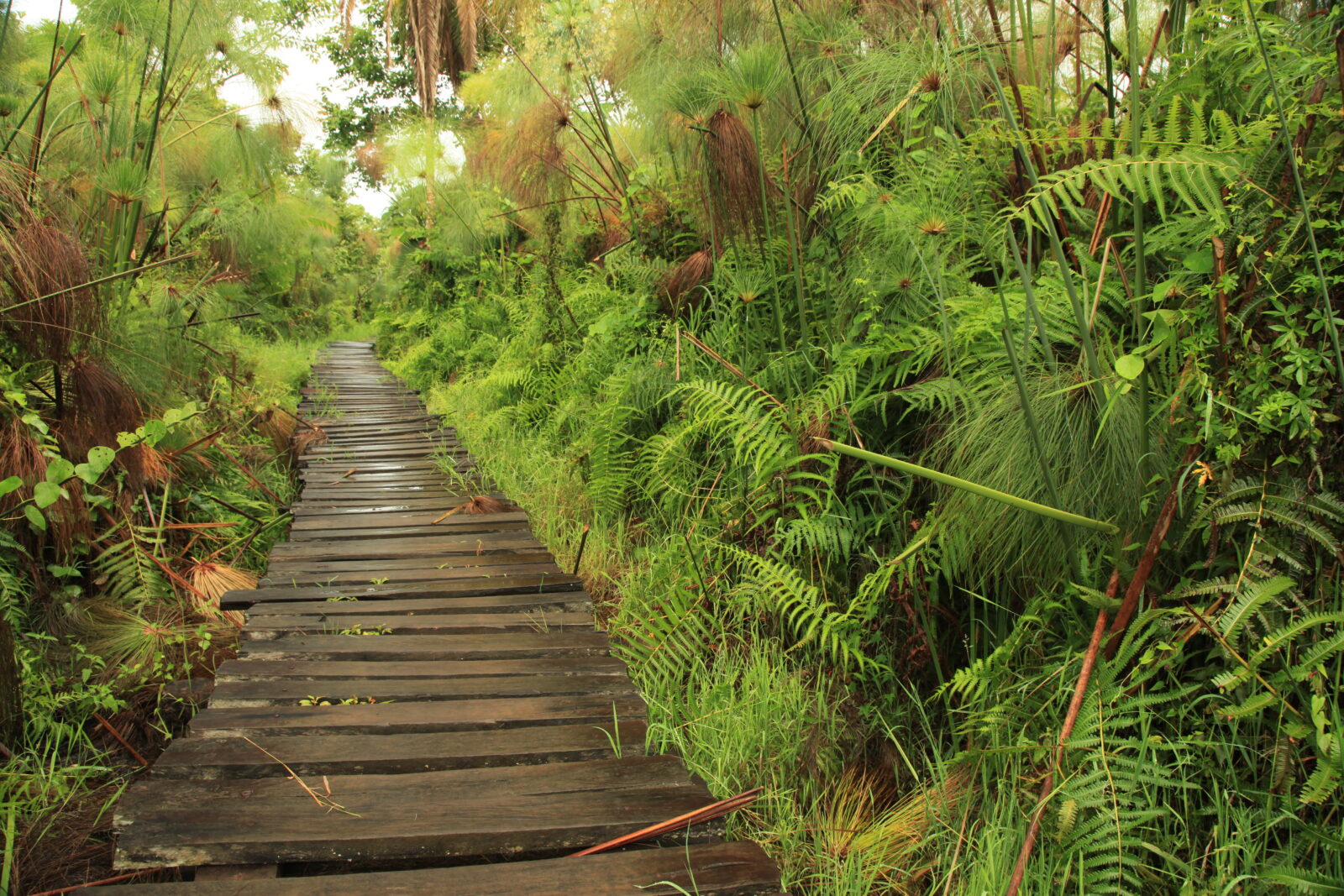
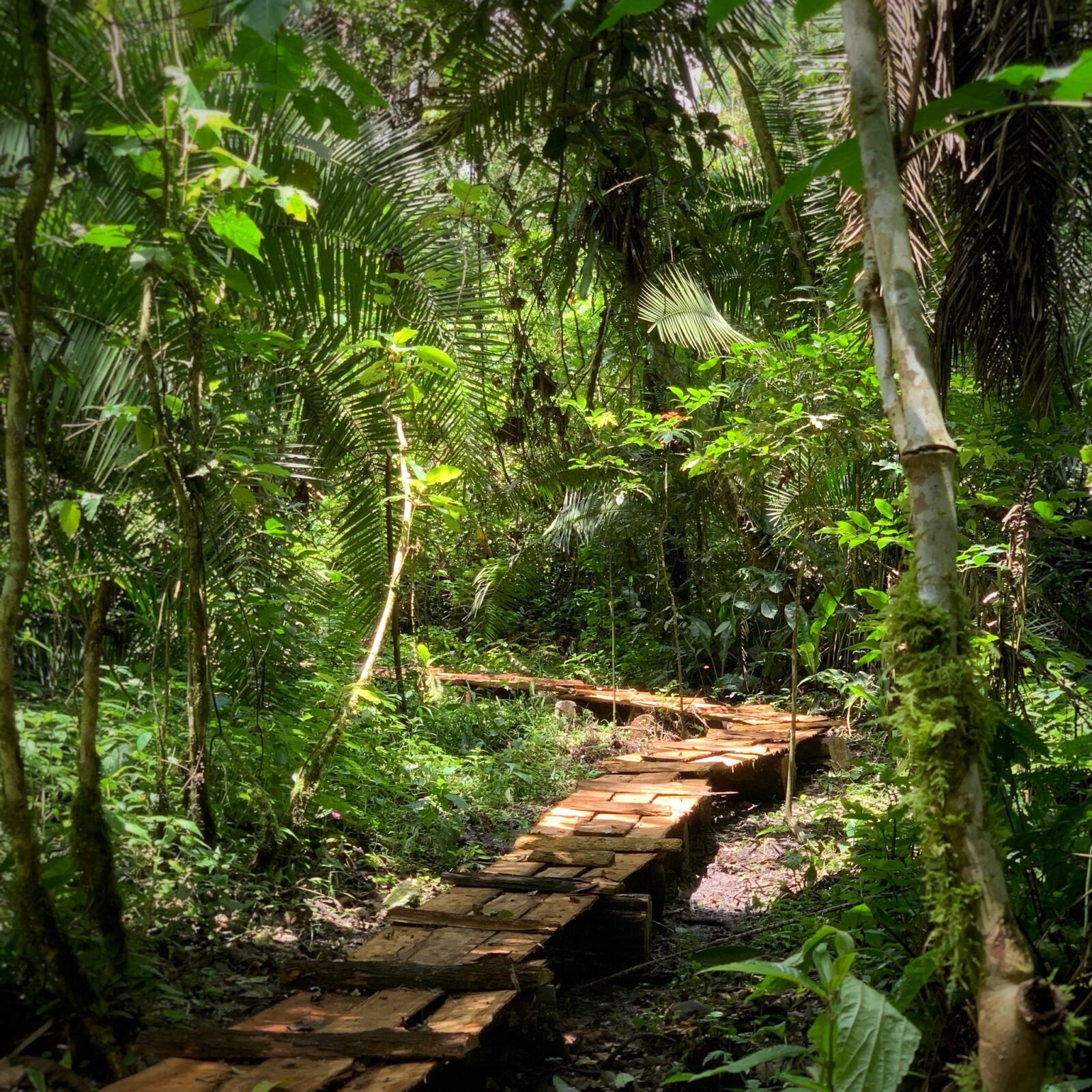
The Bigodi swamp walk usually follows wetland paths, forest edges, boardwalk sections, and village surroundings. The pace feels gentle, but the experience stays rich.
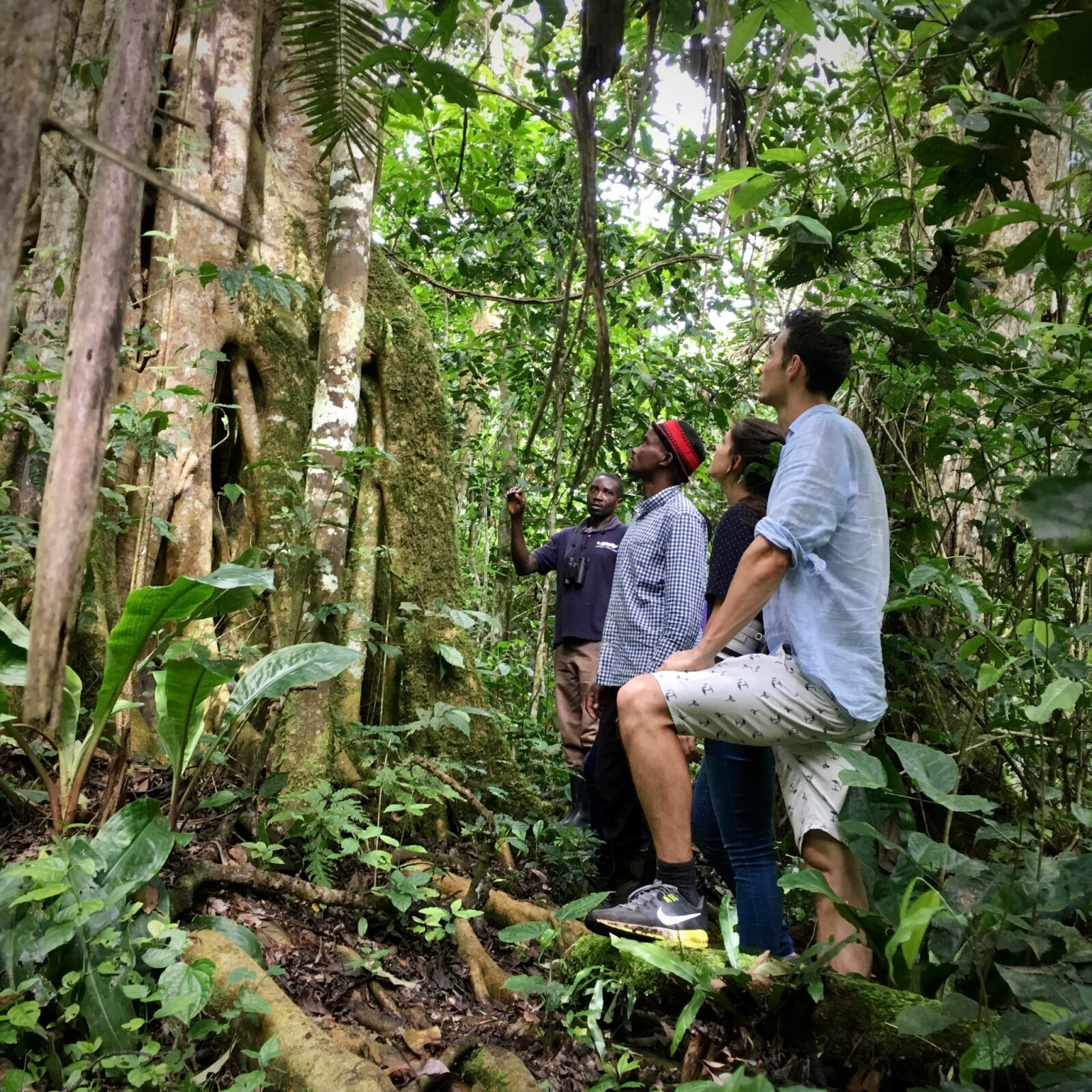
During the walk, your guide helps you listen, pause, and notice smaller details. For example, birds may call from papyrus reeds while monkeys move through nearby branches.
At the same time, the walk introduces travelers to useful plants, wetland conservation, local livelihoods, and traditional knowledge. Because guides come from the area, the storytelling feels personal and grounded.
This activity works well for birders, photographers, families, nature lovers, and travelers who want more than a vehicle based safari. It also suits guests who appreciate quiet moments in the landscape.
Birds to Look For in Bigodi Wetland Sanctuary
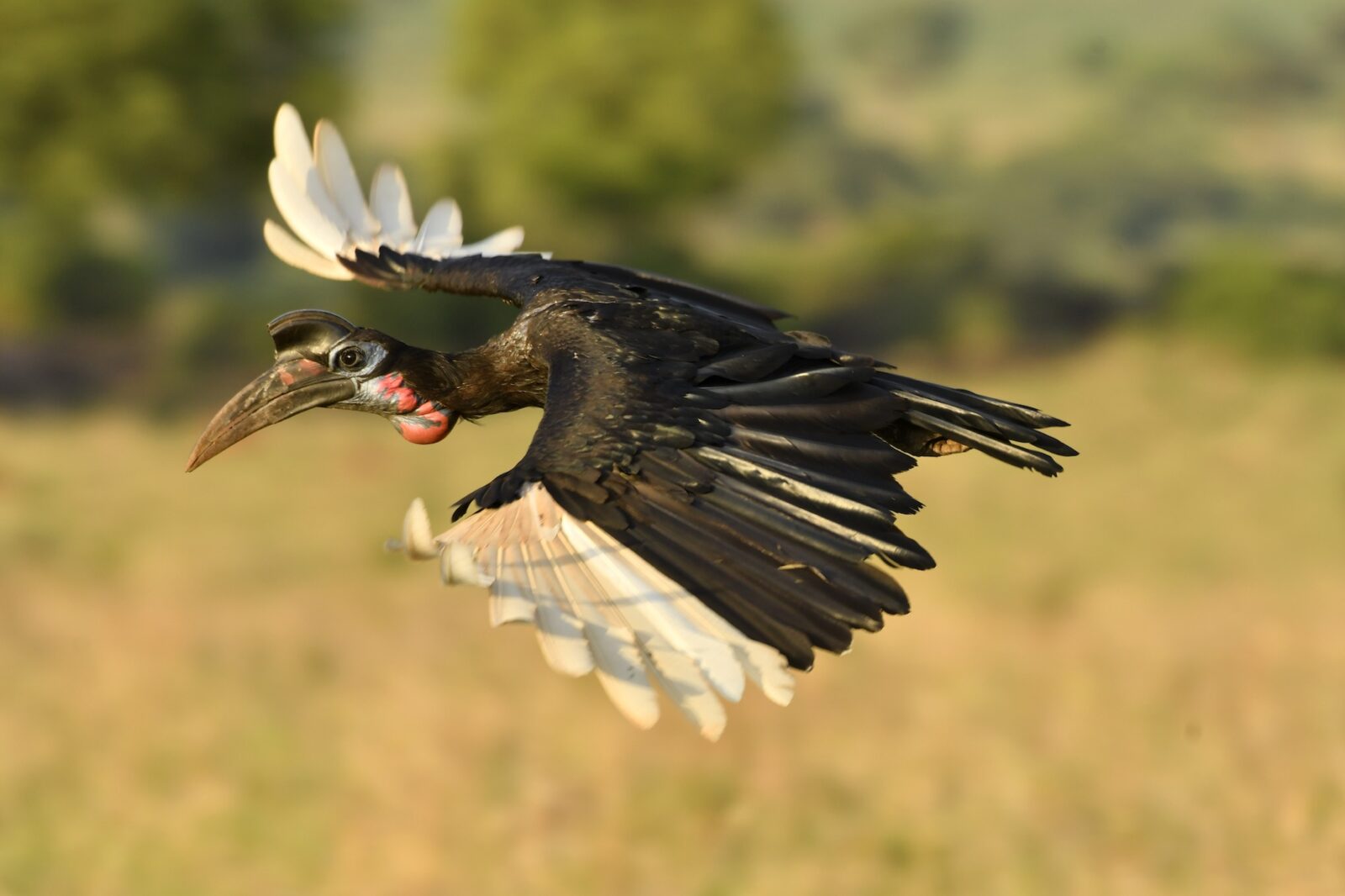
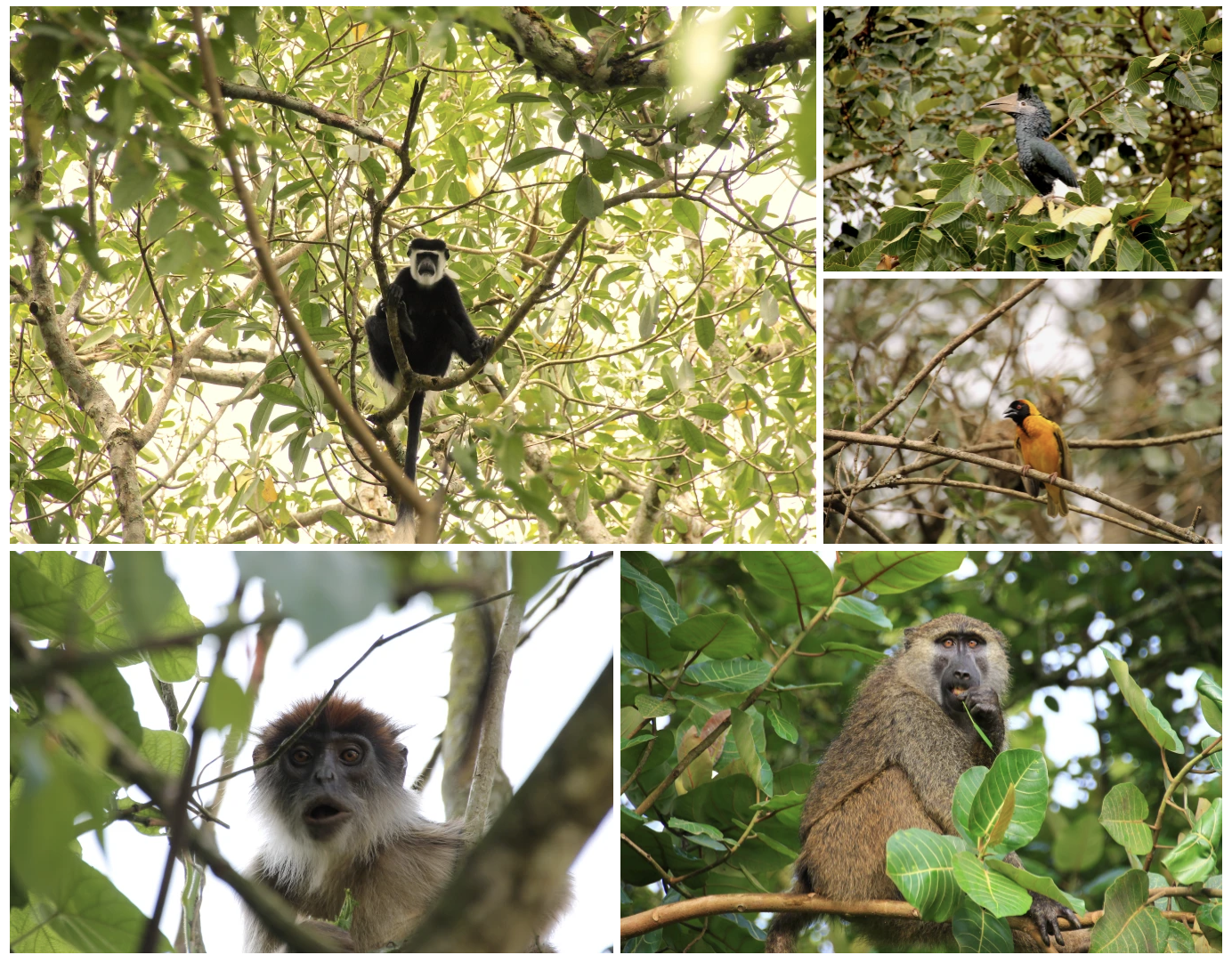
Bigodi has earned a strong reputation among birders because the wetland attracts forest, swamp, and village edge species. The area is widely associated with the Great Blue Turaco, one of Uganda’s most striking birds.
In addition, travelers may look for hornbills, kingfishers, parrots, cranes, turacos, weavers, barbets, and other wetland species. Bird activity often feels strongest during the cooler parts of the day.
The Bigodi Wetland Sanctuary experience rewards patience. A good guide may stop often, listen carefully, and track calls before pointing out movement in the vegetation.
For a stronger birding day, Back to the Source Tours can pair Bigodi with the Sunbird Hill Experience. This combination gives travelers a broader birding and conservation story near Kibale Forest.
Wildlife and Primates in Bigodi Wetland Sanctuary
Although birds often receive the spotlight, Bigodi also offers excellent primate viewing. Travelers may see black and white colobus monkeys, red colobus monkeys, red tailed monkeys, grey cheeked mangabeys, olive baboons, L Hoest monkeys, vervet monkeys, and blue monkeys.
Sightings depend on timing, weather, fruiting trees, and movement through the wetland. Even so, the walk keeps travelers engaged because the habitat changes often. The area may reveal sitatunga, bushbuck, otters, butterflies, reptiles, and many smaller wetland species. These sightings add quiet excitement without the pressure of a big safari drive.
Chimpanzee trekking in Kibale National Park focuses on one major primate encounter. Bigodi expands the story with a softer, wider look at the ecosystem.

Bigodi Community Tour and Cultural Experiences
The Bigodi community tour gives travelers a respectful look into daily life around the wetland. Depending on timing and local availability, the visit may include homes, traditional knowledge, food preparation, crafts, farming, or local storytelling.
This experience matters because it brings community value into the safari day. Travelers do not only look at wildlife; they also meet the people who live near these protected landscapes. Local artisans may share basket weaving, mat making, jewelry, or other handmade work. These purchases can support household income while giving travelers meaningful gifts to take home.
Back to the Source Tours can include these cultural experiences in a way that feels natural, respectful, and well timed. The goal is connection, not a rushed stop for photos.
How Bigodi Supports Conservation and Local Livelihoods
Bigodi shows why community tourism matters in Uganda. When travelers pay for guided walks, cultural visits, and local products, the community gains a stronger reason to protect the wetland.
This model also helps reduce pressure on nearby natural areas. In addition, it creates income through guiding, hospitality, food, crafts, conservation education, and local enterprise.
Because the sanctuary sits close to Kibale National Park, its conservation value becomes even more important. Wetlands support birds, primates, water systems, plant life, and surrounding communities.
For Back to the Source Tours, Bigodi represents the kind of safari experience that carries both beauty and purpose. It gives guests a better understanding of Uganda, not just another activity on a list.
How to Add Bigodi to a Kibale Forest Itinerary
Bigodi fits best into a Kibale Forest stay of at least two nights. This gives travelers enough time for chimpanzee trekking, the swamp walk, and a community activity without rushing. A common plan starts with arrival in the Fort Portal or Kibale region. The next morning can focus on chimpanzee trekking in Kibale National Park. After lunch, travelers can enjoy the Bigodi swamp walk at a relaxed pace.
Serious birders may prefer Bigodi in the early morning. In that case, Back to the Source Tours can schedule chimpanzee trekking separately and protect the strongest birding window. For a richer western Uganda route, travelers can continue from Kibale to Queen Elizabeth National Park. This creates a strong contrast between forest primates, wetland birds, savannah wildlife, and the Kazinga Channel.
Suggested Bigodi and Kibale Safari Flow
Option One: One Night Near Kibale
Arrive near Kibale National Park and enjoy a short community visit if time allows. The next morning, complete chimpanzee trekking from the Kanyanchu area. After lunch, add the Bigodi Wetland Sanctuary walk before continuing to your lodge. This option works for travelers with limited time.
Even so, it can feel full. Back to the Source Tours recommends careful timing so the day feels rewarding, not rushed.
Option Two: Two Nights Near Kibale
Spend the first night near Kibale Forest or Fort Portal. Then enjoy chimpanzee trekking the next morning with time to rest afterward. On the second day, visit Bigodi Wetland Sanctuary for birding, primates, and community experiences. In addition, travelers can add the crater lakes area or the Sunbird Hill Experience.
This version gives the region room to breathe. It also supports better storytelling across forest, wetland, and community activities.
Option Three: Western Uganda Safari Route
A longer route can include Murchison Falls National Park, Kibale National Park, Bigodi Wetland Sanctuary, Queen Elizabeth National Park, and Bwindi Impenetrable Forest.
This style works well for travelers who want Uganda in depth. For example, the 12 Day Uganda Safari Itinerary connects primates, wildlife, wetlands, community experiences, and gorilla trekking. As a result, Bigodi becomes part of a bigger conservation story. It supports the tour pages by showing how Back to the Source Tours designs experiences with purpose and strong pacing.
What to Wear and Bring for the Bigodi Swamp Walk
Wear comfortable walking shoes with good grip. Trails can feel damp, especially after rain, so closed shoes work better than sandals. Bring water, insect repellent, sunscreen, a light rain jacket, and a camera. Birders should also carry binoculars because many sightings happen in the canopy or reeds.
Neutral clothing works well for nature walks. In addition, lightweight long sleeves can help with sun, insects, and trail comfort. Travelers should also bring patience. Bigodi rewards quiet movement, careful listening, and a guide who knows when to pause.
Best Time to Visit Bigodi Wetland Sanctuary
Bigodi can fit into Uganda safaris throughout the year. However, the experience changes with weather, trail conditions, and bird activity. The drier months often make walking more comfortable. Meanwhile, greener months can bring lush scenery and strong birding interest.
Morning walks work especially well for birding and cooler temperatures. Afternoon walks can also feel beautiful, particularly when the light softens over the wetland. Uganda’s weather can shift quickly, Back to the Source Tours plans each day with flexibility. A good itinerary should protect the experience, not fight the forecast.
Pair Bigodi with Nearby Uganda Safari Highlights
Bigodi works especially well with Kibale Forest National Park. Together, they create one of Uganda’s strongest primate and nature combinations. Travelers can spend time in Fort Portal for crater lakes, Tooro culture, local dining, and scenic views. This gives the itinerary a softer cultural layer between major wildlife days. After Kibale and Bigodi, many guests continue to Queen Elizabeth National Park. There, game drives, the Kazinga Channel, and the Ishasha sector add savannah wildlife and big cat potential.
Travelers who enjoy forested activities may also appreciate Maramagambo Forest. It pairs well with Queen Elizabeth and adds another walking experience to the journey.
Why Plan Bigodi with Back to the Source Tours?
Back to the Source Tours plans Bigodi as part of a complete Uganda safari strategy. We look at timing, road routes, lodge location, activity flow, guide coordination, and traveler energy. This matters because western Uganda offers many excellent experiences. However, poor sequencing can make even a strong itinerary feel tiring.
Our team helps travelers combine Bigodi Wetland Sanctuary, Kibale chimpanzee trekking, Fort Portal, Queen Elizabeth National Park, and Bwindi in a way that feels organized and intentional.
We also help match the activity to the traveler. Birders need a different pace than families, photographers, private groups, or guests focused on culture.
Plan Your Bigodi Wetland Sanctuary Visit
Bigodi Wetland Sanctuary belongs in a Uganda itinerary because it gives travelers more than a scenic walk. It adds birds, primates, wetland ecology, local guiding, and community connection near Kibale National Park.
For travelers joining a custom safari, Bigodi can create a meaningful pause between major wildlife days. It also supports responsible tourism through local income and conservation awareness. Back to the Source Tours can add Bigodi to private safaris, group tours, conservation focused itineraries, birding journeys, and western Uganda routes.
Plan this experience with Back to the Source Tours through our East Africa Tour Packages, East Africa Group Tours, or Request Your East Africa Safari Quote.