

Fort Portal Uganda deserves more than a quick stop between safari destinations. This western Uganda tourism city sits near the foothills of the Rwenzori Mountains, close to Kibale National Park, Queen Elizabeth National Park, Semuliki National Park, and the crater lake region. Because of that location, many travelers pass through Fort Portal on their way to chimpanzee trekking, game drives, mountain hikes, or cultural experiences. However, the city also works beautifully as an intentional stay.
The city gives travelers access to crater lakes, tea estates, Tooro Kingdom heritage, community visits, forest walks, waterfalls, and relaxed town experiences. For travelers visiting Kibale Forest National Park, Fort Portal can add valuable depth before or after chimpanzee trekking. Instead of treating it as a transit point, we use Fort Portal to improve the rhythm of the journey.
Why Fort Portal Belongs in a Western Uganda Safari
Fort Portal sits in one of Uganda’s most rewarding travel corridors. From here, travelers can connect to Kibale for chimpanzee trekking, continue south toward Queen Elizabeth National Park, explore the Rwenzori foothills, or route west toward Semuliki National Park. This makes Fort Portal one of the most strategic towns in Uganda for travelers who want wildlife, culture, scenery, and strong itinerary flow.
Even so, Fort Portal should not only serve as a pause between parks. The city and its surrounding countryside offer crater lake viewpoints, volcanic hills, tea landscapes, local food experiences, royal history, guided nature walks, and community-based tourism. As a result, travelers who spend time here often gain a richer sense of western Uganda beyond the headline activities. A safari should never feel like a relay race with luggage. Fort Portal helps slow the pace, without slowing the quality of the journey.
When travelers visit Kibale, Fort Portal can turn a strong primate safari into a more complete western Uganda experience.
Where Fort Portal Is Located
Fort Portal is in western Uganda, within the greater Tooro region and near the northern foothills of the Rwenzori Mountains. The city sits roughly one hour from Kibale National Park by road, depending on the exact route, traffic, and activity location. This makes it especially useful for travelers planning chimpanzee trekking, Bigodi Wetlands, crater lake visits, and community experiences around Kibale.
Fort Portal also connects well with other major safari areas. Travelers can route from Fort Portal toward Queen Elizabeth National Park, the Rwenzori Mountains area, Semuliki National Park, or onward to Murchison Falls National Park on longer Uganda itineraries. Distances can look simple on a map, but Uganda rewards realistic planning. Road conditions, weather, park gate timing, and activity schedules all shape the day.
We plan the order of activities so travelers enjoy the region without unnecessary backtracking. That approach protects the experience, because no one travels to western Uganda for a world-class safari and a surprise endurance test.
Fort Portal as an Intentional Stay, Not Just a Stopover
Many Uganda safari routes move quickly through Fort Portal because the city sits between major parks. However, an intentional stay gives travelers time to enjoy the region with more purpose. Fort Portal offers a softer side of western Uganda, with green hills, crater lakes, tea estates, markets, cultural heritage, and scenic drives that create a strong contrast to the intensity of trekking and game drives.
This works especially well for travelers visiting Kibale National Park. A Kibale itinerary can include chimpanzee trekking, Bigodi Wetlands, Sunbird Hill experiences, community visits, birding, and crater lake scenery. Meanwhile, Fort Portal gives that same route a town-based cultural layer. Guests can explore Tooro Kingdom heritage, local food traditions, craft markets, tea landscapes, and guided countryside experiences.
Because Fort Portal sits between several national parks, it also helps with pacing. Travelers can rest between long drives, add lighter activities, or use the city as a scenic bridge between forest, savannah, and mountain regions. That is smart travel design, not filler. The best itineraries do not simply connect destinations; they connect experiences with purpose.
Top Things to Do in Fort Portal Uganda
Fort Portal gives travelers a strong mix of nature, culture, food, and soft adventure. The best activities depend on the traveler’s schedule, fitness level, and safari route. Some experiences work well as half-day additions, while others deserve a full morning or afternoon. Back to the Source Tours can add these activities to a custom Uganda itinerary when timing, guide availability, and road logistics support the experience.
Crater Lakes and Scenic Viewpoints
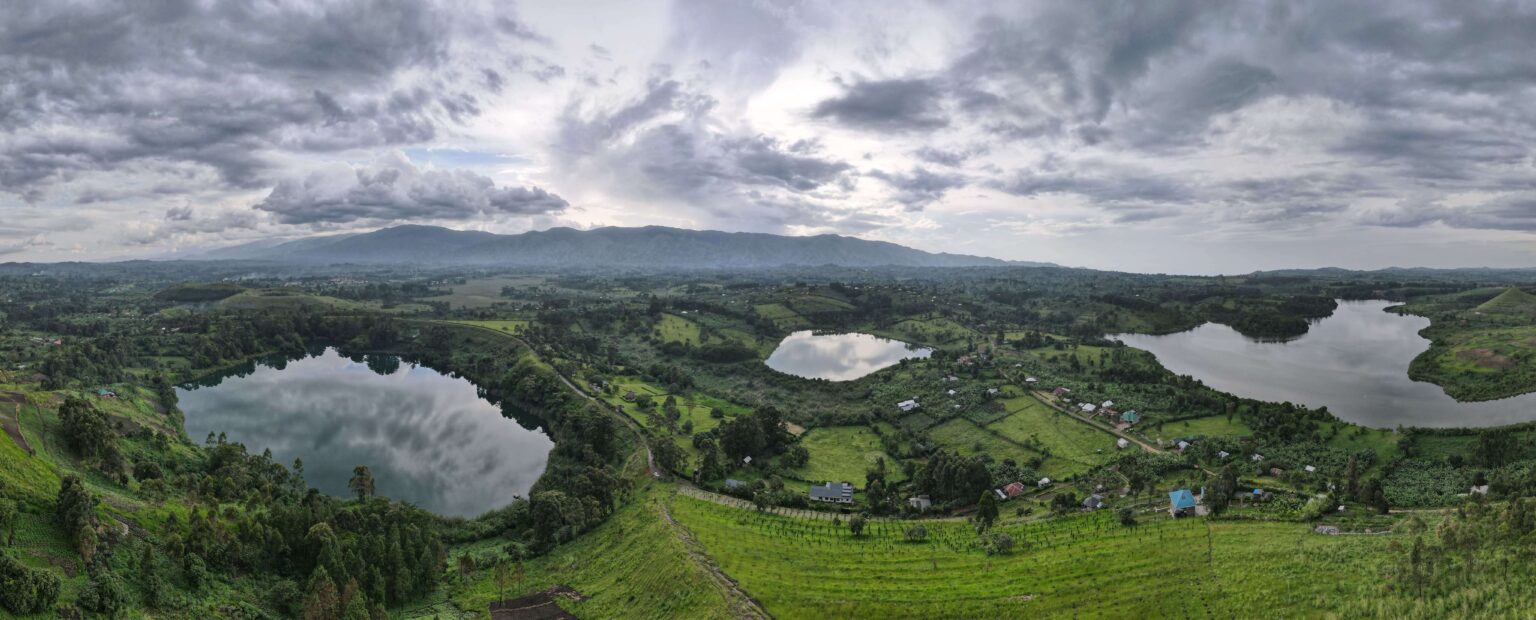
The crater lake region around Fort Portal is one of western Uganda’s most photogenic landscapes. Travelers can visit viewpoints overlooking volcanic lakes, rolling hills, farms, and distant Rwenzori scenery.
Guided walks can range from relaxed countryside strolls to more active hikes along ridges and crater rims. These experiences work especially well for travelers who enjoy photography, nature, geology, and peaceful landscapes.
Tooro Kingdom Culture
Fort Portal sits at the heart of Tooro cultural heritage. A guided cultural experience can introduce travelers to the history of the Tooro Kingdom, local traditions, royal heritage, storytelling, crafts, and community life.
This adds context to the region and helps travelers understand western Uganda beyond its national parks. Safari becomes more meaningful when travelers meet the people and histories that shape the destination.
Tea, Vanilla, Food and Community Experiences
The countryside around Fort Portal supports tea, coffee, vanilla, bananas, and other crops that shape daily life in the region. Farm visits and community-led food experiences can show travelers how local families grow, prepare, and share traditional foods.
These activities pair well with slower travel days, especially after chimpanzee trekking or before a longer road transfer.
How Fort Portal Fits With Kibale National Park Tours
Fort Portal pairs naturally with Kibale National Park because the park sits close enough for easy itinerary planning. Kibale remains the main draw for chimpanzee trekking, forest walks, birding, primates, and nearby community experiences. However, Fort Portal adds scenery, culture, and lighter activities that help round out the safari.
A traveler can trek chimpanzees in the morning, then add a Fort Portal or crater lake activity later in the day if timing allows. Another option places Fort Portal activities before Kibale, creating a smooth build-up before the forest experience. For longer Uganda safaris, Fort Portal can also sit between Murchison Falls National Park and Queen Elizabeth National Park, giving the route a practical and scenic break.
We can combine Fort Portal with Bigodi Wetlands Sanctuary, Kibale chimpanzee trekking, crater lakes, Sunbird Hill, Tooro cultural experiences, and Queen Elizabeth National Park. This creates a fuller western Uganda itinerary, especially for travelers who want primates, birds, landscapes, conservation, and community connection in one well-paced route.
Suggested Fort Portal Itinerary Flow
Fort Portal works best when the itinerary matches the traveler’s pace. Some guests only need a short cultural or scenic addition. Others benefit from one or two nights in the region, especially when combining Kibale, crater lakes, Queen Elizabeth National Park, and the Rwenzori area. The right flow depends on arrival time, trekking permits, road routing, and the traveler’s energy level.
One-Day Fort Portal Add-On
A one-day Fort Portal add-on works well for travelers already visiting Kibale. After chimpanzee trekking or Bigodi Wetlands, travelers can enjoy a crater lake viewpoint, a tea landscape visit, a town experience, or a light cultural activity. This option keeps the safari efficient while adding a stronger sense of place.
Two-Day Fort Portal and Kibale Combination
A two-day plan gives travelers more breathing room. One day can focus on Kibale chimpanzee trekking and a nearby community or wetland experience. The second day can highlight Fort Portal, crater lakes, Tooro heritage, tea scenery, or a guided countryside walk. This structure feels more balanced because it avoids packing every activity into one long day.
Western Uganda Safari Route
For a longer safari, Fort Portal can connect Murchison Falls, Kibale, Queen Elizabeth, Rwenzori, and Bwindi. This route works especially well for travelers who want Uganda’s strongest combination of primates, savannah wildlife, landscapes, and cultural experiences. It also gives Back to the Source Tours room to design a route that feels polished, not rushed.
Fort Portal, Crater Lakes and the Rwenzori Mountain Backdrop
The visual appeal of Fort Portal comes from its setting. The city sits near a landscape of volcanic crater lakes, cultivated hills, tea fields, and views toward the Rwenzori Mountains. This gives the area a completely different atmosphere from Uganda’s savannah parks. Where Queen Elizabeth National Park offers open plains, channels, and escarpments, Fort Portal offers cooler highland scenery and gentle countryside movement.
Travelers who enjoy photography often appreciate Fort Portal because the region changes throughout the day. Morning mist, green ridges, crater lake reflections, and mountain views can create beautiful travel moments between the larger safari activities. The experience feels calm, but never empty. There is always another view, local story, farm path, or village road that adds texture to the journey.
This is also why Fort Portal pairs so well with Rwenzori National Park. Travelers interested in mountain landscapes can use the region as part of a broader western Uganda route. Some guests want serious hiking. Others simply want scenic views, cultural context, and softer nature experiences. Both travel styles can work when the itinerary has the right structure.
Best Activities to Combine With Fort Portal
Fort Portal becomes even more valuable when paired with the right nearby experiences. Kibale National Park remains one of the strongest combinations because of chimpanzee trekking, birding, primates, forest walks, and community-based tourism. Bigodi Wetlands adds another layer through guided swamp walks, birds, monkeys, and local community initiatives.
Queen Elizabeth National Park can also connect well with Fort Portal on a longer route. Travelers can move from crater lakes and forest experiences toward game drives, the Kazinga Channel, Kyambura Gorge, Maramagambo Forest, and the Ishasha sector on southern extensions. This gives the safari contrast, with forest, crater lakes, savannah, wetlands, and escarpment views in one journey.
For travelers who love less crowded nature experiences, Semuliki National Park can add hot springs, birding, lowland forest, and Albertine Rift scenery. Meanwhile, Rwenzori-focused travelers can add day hikes, cultural experiences, or longer mountain routes depending on ability and interest. Fort Portal sits in the middle of this opportunity, which makes planning both exciting and slightly dangerous for anyone who likes saying, “Let’s just add one more day.” We understand completely.
When to Visit Fort Portal
Fort Portal can fit into Uganda safaris throughout the year. However, the best timing depends on the full itinerary. Drier months often make hiking, crater lake walks, and road transfers more comfortable. Wetter periods can bring lush scenery, dramatic skies, and strong photography conditions, although trails may feel muddier and some activities may require more flexibility.
For Kibale chimpanzee trekking, travelers should think beyond weather alone. Permit availability, travel dates, group size, accommodation availability, and the overall Uganda route all matter. Families, photographers, birders, and first-time safari travelers may also need different timing strategies. A well-planned itinerary can still work beautifully in multiple seasons when the route allows enough time and the expectations stay realistic.
Back to the Source Tours helps travelers decide how Fort Portal fits into the season, pace, and purpose of their Uganda safari. The goal is simple: strong activities, comfortable flow, and fewer “we should have planned that better” moments.
How Back to the Source Tours Plans Fort Portal Experiences
Back to the Source Tours adds Fort Portal to itineraries when it improves the guest experience. We do not add stops just to make a route look fuller. Instead, we look at the traveler’s interests, park permits, transfer times, activity quality, guide availability, and the natural rhythm of the journey.
For some travelers, Fort Portal works as a scenic stop between national parks. For others, it becomes a meaningful stay with crater lakes, Tooro culture, farm-to-table experiences, tea landscapes, and guided community activities. Travelers visiting Kibale can add Fort Portal experiences before or after chimpanzee trekking. Meanwhile, guests continuing to Queen Elizabeth, Rwenzori, Semuliki, or Bwindi can use Fort Portal as a smart transition point.
Our planning approach keeps the safari polished and practical. We coordinate routing, activity timing, trusted local service providers, transport, permits, and the daily flow. That matters in western Uganda, where good planning turns beautiful places into a seamless travel experience.
Plan this experience with Back to the Source Tours:
East Africa Tour Packages,
East Africa Group Tours, and/or
Request Your East Africa Safari Quote.