

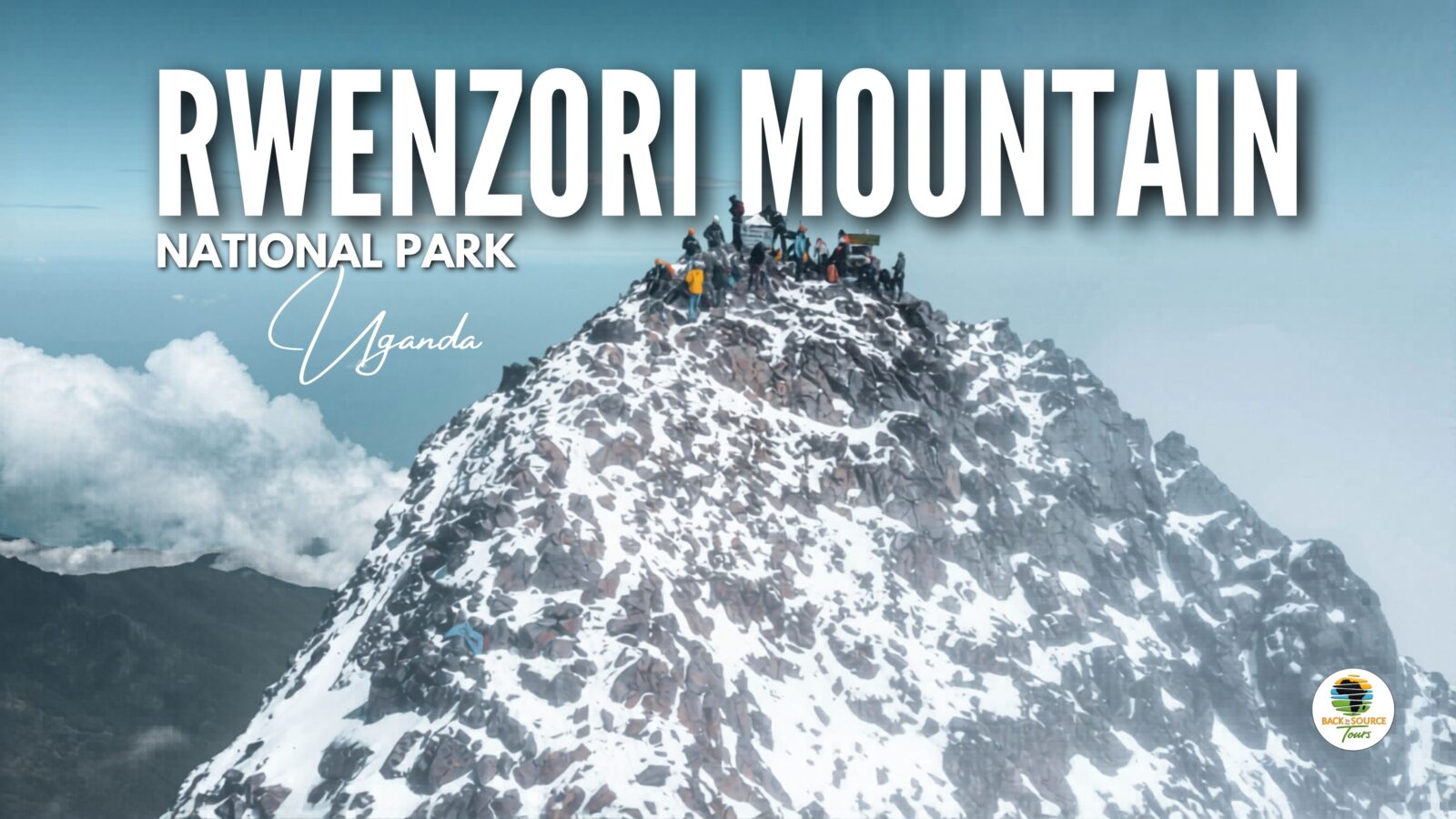
Rwenzori National Park Uganda gives travelers one of East Africa’s most dramatic highland experiences. The park rises along the Uganda Congo border in western Uganda. Its peaks, valleys, rivers, waterfalls, forests, and alpine plants create a destination that feels completely different from Uganda’s savannah parks. Many travelers know Uganda for gorilla trekking, chimpanzees, and classic wildlife safaris. However, the Rwenzori Mountains add another powerful layer to the journey. This is where mist, rock, moss, ice, and culture meet in one bold landscape.
The Rwenzori range carries the famous name Mountains of the Moon. It also holds Margherita Peak on Mount Stanley, which reaches 5,109 meters. Because of that height, the park attracts experienced climbers, serious hikers, photographers, birders, and curious travelers. Even so, visitors do not need to summit a peak to appreciate the Rwenzori. Shorter forest walks, birding routes, cultural visits, and scenic hikes can add real depth to a Uganda itinerary. Back to the Source Tours helps travelers choose the right level of adventure, because mountain ambition should never outrun mountain preparation.
Why Visit Rwenzori National Park Uganda
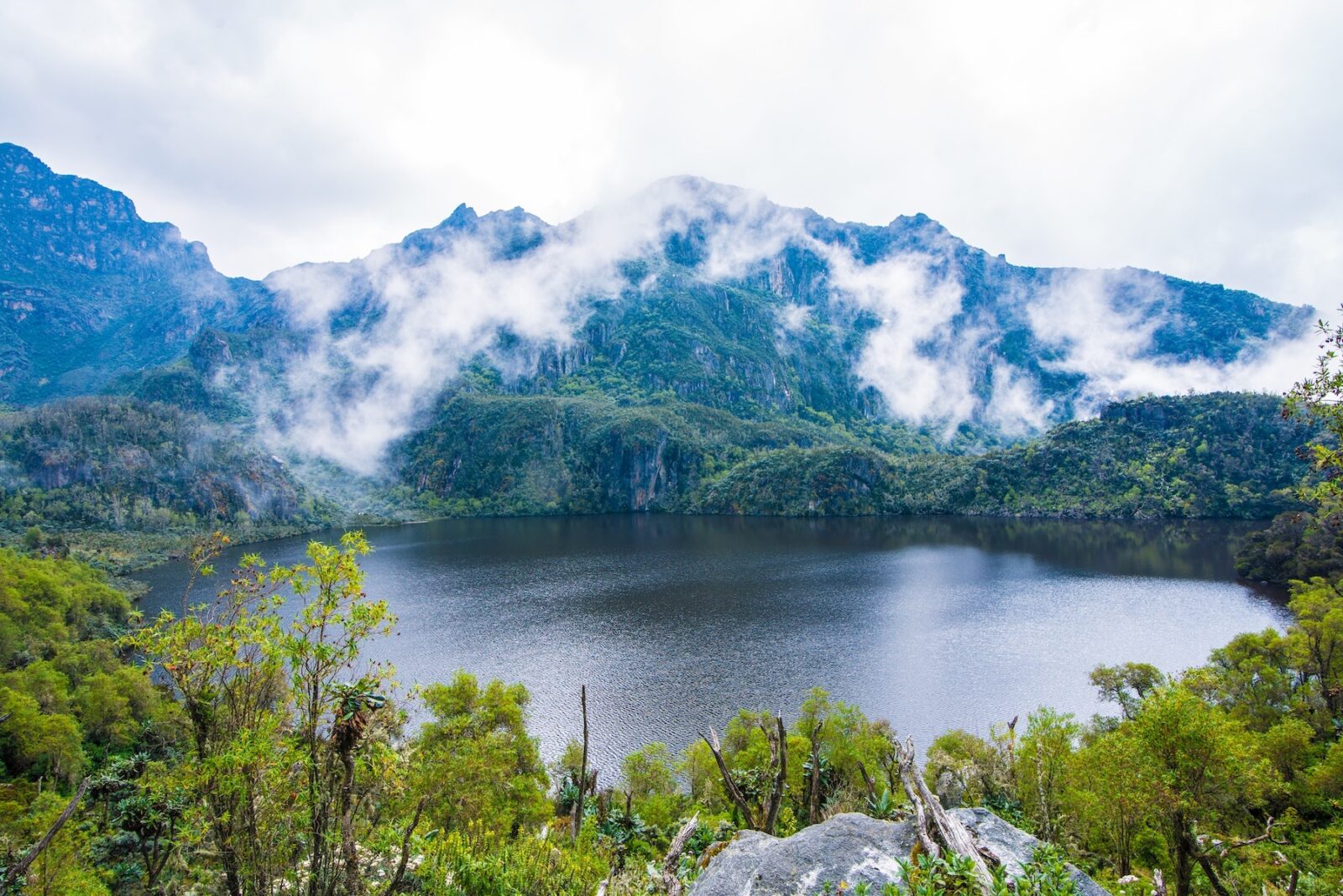
Rwenzori National Park Uganda rewards travelers who want scenery with substance. The park protects glacier touched peaks, fast rivers, high altitude wetlands, bamboo zones, montane forest, and moorland filled with giant plants. As a result, the experience feels less like a standard hike and more like a journey through several worlds. One section may feel green, wet, and forested. Meanwhile, higher elevations can reveal mossy valleys, giant lobelias, groundsels, mist, and open alpine terrain. The shift in scenery gives every day a new character.
This destination also works well for travelers who want a stronger conservation focused safari. Queen Elizabeth National Park, Kibale Forest, Fort Portal, and Semuliki National Park can all connect naturally with the Rwenzori region. Therefore, the park can become part of a broader western Uganda route. Travelers can move from crater lakes and tea fields to mountain trails, then continue toward savannah wildlife, chimpanzee trekking, birding, and cultural experiences. For helpful route planning, explore our Fort Portal Uganda Travel Guide and our National Parks of Uganda guide.
Hiking and Mountaineering in the Rwenzori Mountains
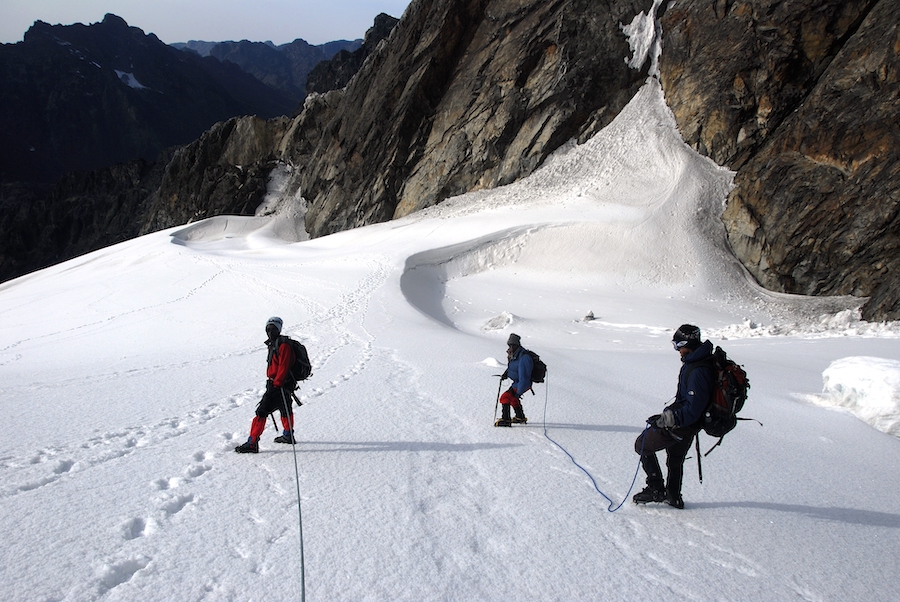
The Rwenzori Mountains hiking experience can range from shorter nature walks to demanding summit expeditions. Skilled climbers often aim for Margherita Peak Uganda, the highest point on Mount Stanley. This climb requires strong fitness, technical guidance, specialist gear, and respect for cold, wet conditions. The terrain can include mud, steep trails, boggy ground, rock, ice, and sudden weather shifts. Because of that, summit planning needs more than enthusiasm. It needs serious logistics, trained support, and enough time on the mountain.
Our team helps travelers match the right trek to their actual ability. Some travelers want a full summit attempt. Others prefer a shorter route that still delivers forests, waterfalls, birdlife, valley views, and highland atmosphere. Both approaches can make sense. They serve different travelers and different itineraries. A smart plan considers trail length, fitness, weather, porter support, equipment, travel time, and recovery. The mountain has no interest in rushed decisions, and frankly, it has been in senior management much longer than any of us.
Margherita Peak and Mount Stanley
Margherita Peak sits on Mount Stanley and gives experienced mountaineers one of Africa’s most challenging high altitude goals. The climb does not follow the same style as a typical savannah safari extension. Instead, it demands physical preparation, proper clothing, boots, rain gear, cold weather gear, and technical support. Travelers should expect wet conditions, low temperatures, and changing visibility. As a result, we only recommend summit focused itineraries for guests who understand the level of commitment involved.
A summit plan also needs enough days. Many serious Rwenzori climbing programs require a week or more on the mountain. Some itineraries need nine to twelve days, especially when travelers want better acclimatization and a safer pace. Because the route can feel demanding, the reward reaches beyond the summit photo. Real value comes through the forests, valleys, waterfalls, alpine plants, team support, and the satisfaction of completing a rare mountain journey in Uganda.
Shorter Rwenzori Hikes and Forest Walks
Travelers who do not want a summit attempt can still enjoy the Mountains of the Moon Uganda experience. Shorter hikes may focus on lower forest zones, bamboo areas, waterfalls, scenic ridges, and birding trails. These options work well for travelers who want mountain atmosphere without committing to a technical expedition. They can also fit better into a western Uganda safari that includes Queen Elizabeth National Park, Kibale Forest National Park, or Semuliki National Park.
Forest walks also create excellent opportunities for birding and photography. The lower areas of the park hold much of the accessible birdlife. Travelers may look for species linked to the Albertine Rift and the Rwenzori region. The forest itself gives the walk texture through moss, ferns, trees, streams, and shifting mountain light. These hikes can feel peaceful, active, and rewarding. They also give travelers a meaningful Rwenzori experience without turning the trip into an endurance contest.
Main Rwenzori Trails and Route Planning
The main Rwenzori trailheads connect through western Uganda near Kasese, Fort Portal, and nearby mountain communities. The Kilembe Trail begins from the Nyamwamba Valley area near Kasese. The Central Circuit begins from the Mihunga area in the Mubuku Valley. Bukurungu Trail and Kazingo Trail offer additional route possibilities for travelers with specific interests and timing. Each route has its own personality, difficulty level, scenery, and logistics.
Getting to Rwenzori National Park
Most travelers reach the Rwenzori region by road through western Uganda. Routes can connect from Kampala, Entebbe, Fort Portal, Kasese, or Queen Elizabeth National Park. The road journey adds scenic value because it passes rural landscapes, tea fields, crater lake areas, escarpments, and towns. However, travel time can feel long depending on the final route and road conditions. As a result, timing matters.
Air transport can also help travelers reduce road time. Flights may operate into the wider Kasese region from Entebbe International Airport or Kajjansi, depending on availability and routing. Back to the Source Tours can help compare road and air options during planning. This helps travelers protect their energy before a hike or connect the Rwenzori with other Uganda destinations more efficiently. Good logistics do not make the mountains smaller, but they do make the journey smarter.
Wildlife Birding and Rare Rwenzori Vegetation
The Rwenzori experience focuses heavily on landscape and vegetation. The park’s lower zones hold montane forest, while higher elevations move into bamboo, giant heather, moorland, and alpine plant communities. These habitats support the famous giant lobelias, groundsels, colorful mosses, and other unusual plants. As a result, the mountain often feels like a botanical safari. The plants become the stars, and they know how to hold the stage.
Wildlife exists across the park, although travelers should not expect sightings in the same style as a savannah safari. Forest mammals can include blue monkeys, Rwenzori colobus, chimpanzees, forest hogs, buffalo, elephants, and leopards. However, thick vegetation and mountain conditions make many species difficult to see. Birding can feel more productive, especially in the lower forest zones. Travelers may look for Rwenzori turaco, Rwenzori double collared sunbird, Rwenzori batis, and other localized species.
Bakonzo Culture and Community Connection
The Bakonzo people have lived around the Rwenzori slopes for generations. Their culture, farming life, spiritual traditions, guiding knowledge, and mountain identity add important meaning to the destination. A Rwenzori visit can include cultural encounters, village walks, craft learning, storytelling, and community guided experiences. These activities help travelers understand the mountain beyond its peaks and trails. They also support the people who know the landscape with practical, inherited knowledge.
We approache community experiences with respect and clear planning. Travelers should listen carefully, ask thoughtful questions, and follow local guidance during village visits. This creates a better experience for guests and hosts. It also helps tourism support conservation, heritage, and community benefit across the Rwenzori region.
Best Time to Visit the Rwenzori Mountains
The Rwenzori Mountains have a cold and wet climate, so travelers should prepare for rain in any month. Drier windows often create better climbing conditions, especially around January and June to July. However, mountain weather can change quickly. Mist, rain, mud, low temperatures, and limited visibility can still appear during drier periods. Therefore, travelers should pack and plan for wet conditions, even when the itinerary falls in a better hiking season.
Longer treks need careful preparation. Guests should bring warm clothing, waterproof layers, gloves, strong footwear, a headlamp, dry bags, energy snacks, and personal medication. Summit climbs may also require specialist equipment, depending on the route and season. Back to the Source Tours confirms the required gear with the trail operator before departure. That step helps travelers avoid two classic mountain mistakes, packing too little and pretending socks can negotiate with mud.
How to Combine Rwenzori with a Uganda Safari
Uganda hiking safari planning works best when the mountain route connects naturally with nearby destinations. A western Uganda itinerary can include Fort Portal, crater lakes, Kibale Forest, Queen Elizabeth National Park, and the Rwenzori region. This creates a strong mix of landscapes, primates, birds, boat safaris, culture, and mountain scenery. For example, travelers can explore Kibale Forest National Park for chimpanzee trekking, then continue toward Kasese and the Rwenzori trails.
Another strong route combines the mountains with Queen Elizabeth National Park. That option can include game drives, the Kazinga Channel boat cruise, birding, and views toward the Rwenzori backdrop. Travelers who want more depth can continue to Semuliki National Park or add gorilla trekking in southwestern Uganda. As a result, the Rwenzori can become a powerful anchor in a custom Uganda journey.
Who Should Add the Rwenzori to Their Itinerary
The Rwenzori works best for travelers who value scenery, hiking, culture, rare plants, photography, birding, and active travel. It also suits guests who want Uganda beyond the expected safari route. However, travelers should choose the right version of the experience. A summit climb suits experienced hikers and climbers. A short forest walk suits travelers who want a lighter mountain connection. A cultural visit suits guests who want community context around the slopes.
Back to the Source Tours helps travelers avoid a common planning mistake. Not every visitor needs the hardest route to have the best experience. The right route depends on your goals, time, ability, season, and wider itinerary. When these pieces fit together, the Rwenzori adds real strength to a Uganda safari. It brings altitude, story, movement, and rare beauty into one unforgettable region.
Plan Your Rwenzori National Park Uganda Experience
Back to the Source Tours designs Rwenzori itineraries for travelers who want a thoughtful and well planned Uganda experience. We can include mountain hiking, forest walks, cultural visits, birding, photography stops, and connections to nearby safari destinations. We also help coordinate trail logistics, guides, porters, transport, timing, and route selection. This keeps your journey organized, realistic, and aligned with your travel style.
A visit to Rwenzori National Park Uganda should feel purposeful. It can challenge the body, sharpen the senses, and deepen your understanding of western Uganda. The park offers more than a mountain view. It offers forests, rivers, waterfalls, rare plants, cultural heritage, high altitude drama, and strong conservation value. Whether you plan a summit attempt or a shorter scenic hike, the Rwenzori can become one of the most memorable chapters of your Uganda safari.
Plan this experience with Back to the Source Tours: East Africa Tour Packages, East Africa Group Tours, and/or Request Your East Africa Safari Quote.