

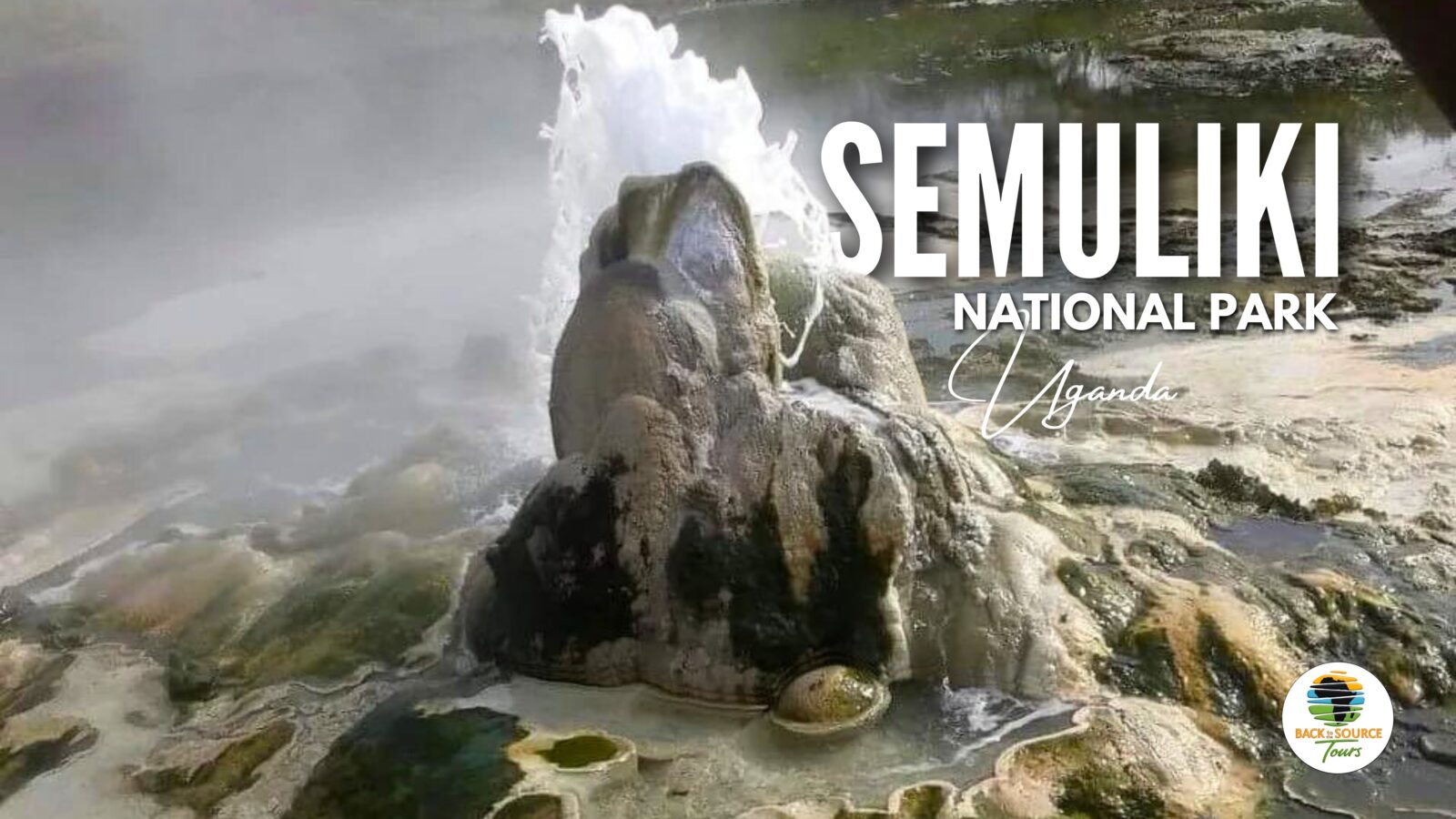
Semuliki National Park in Uganda gives travelers a rare lowland rainforest experience in western Uganda. The park sits on the floor of the Albertine Rift Valley, west of the Rwenzori Mountains, near the border with the Democratic Republic of Congo. Its forest connects visually and ecologically with the wider Congo Basin, which gives the destination a different feeling from Uganda’s savannah parks. Because of that setting, Semuliki rewards travelers who enjoy birding, forest walks, hot springs, primates, culture, and quiet nature routes.
This guide helps travelers plan a special route that includes visiting the Sempaya Hot Springs Uganda, forest trails, serious viewing of birds and primates, community encounters, and route planning from Fort Portal. The park also fits well with Kibale Forest National Park, Queen Elizabeth National Park, and Rwenzori National Park Uganda regions. Semuliki works best when travelers allow time for the forest, birds, hot springs, road scenery, and local stories.
Why Visit Semuliki National Park Uganda
Semuliki National Park protects one of the most distinctive ecosystems in East Africa. The park covers lowland tropical forest, riverine habitat, swamp areas, grassland edges, hot springs, and postcard forest trails. As a result, it offers a strong contrast to nearby crater lakes, tea fields, mountain routes, and savannah parks. Travelers often add Semuliki because it gives western Uganda a deeper natural range. One day may bring steam rising from hot springs. Another may bring hornbills, monkeys, forest sounds, and green shaded trails.
The park suits travelers who want something beyond the standard safari rhythm. It does not deliver wildlife in the same open style as a classic game drive. Instead, Semuliki asks visitors to slow down and observe carefully. Birders, photographers, nature lovers, and repeat Uganda travelers often appreciate that pace and the difference. The forest can feel quiet at first. An expert local guide can reveal eco-system movements, wildlife calls, tracking, medicinal plants, insects, and smaller details about the region. That is where Semuliki wins. It does not shout for attention. It lets the forest run the meeting.
Sempaya Hot Springs Uganda
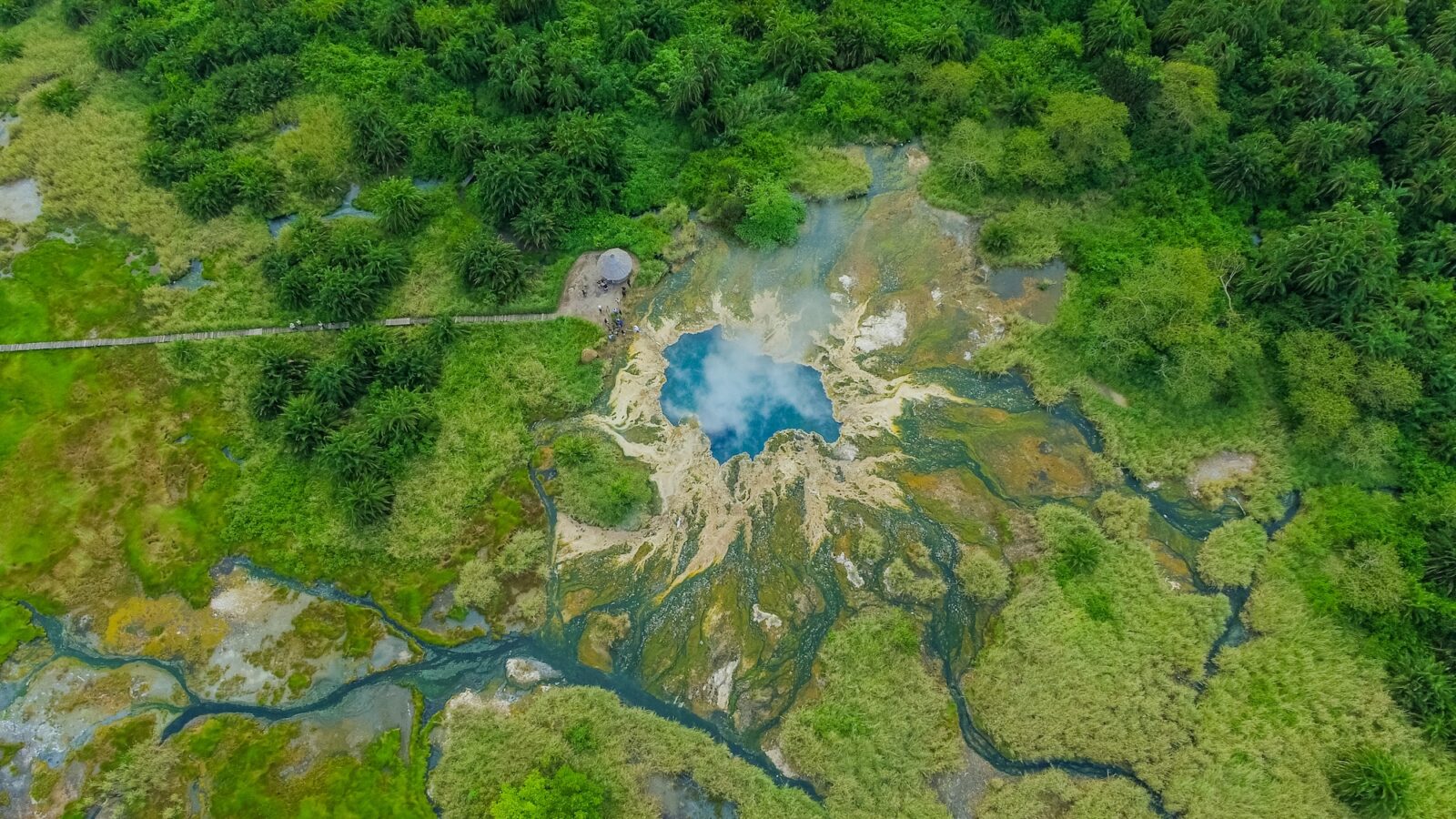
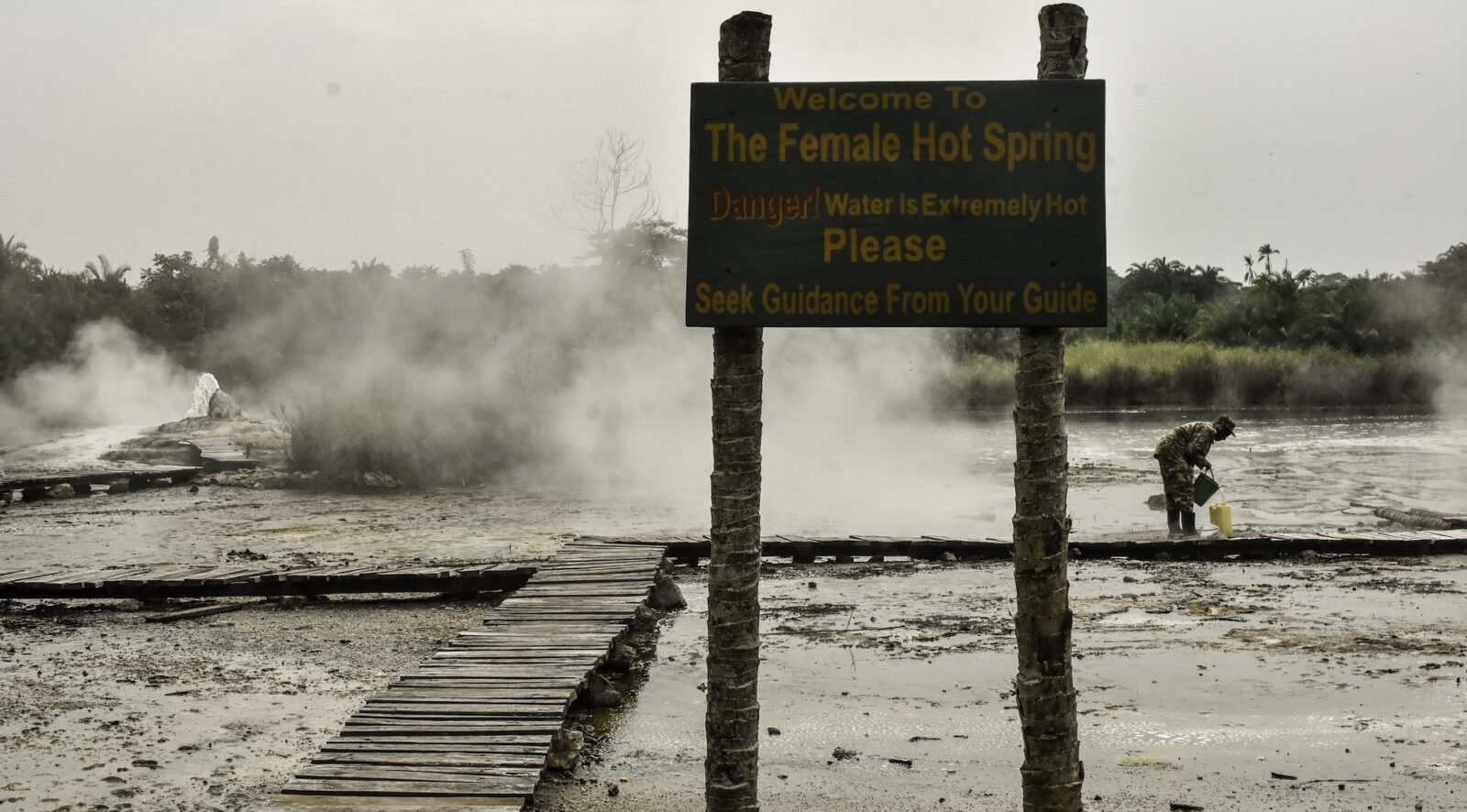
Sempaya Hot Springs ranks among the most recognized experiences in Semuliki. The hot springs sit near the Sempaya park office and include two main spring areas. Nyansimbi, often called the female spring, produces boiling water, bubbling pools, and rising steam. Bintente, often called the male spring, sits farther away along a forest trail and boardwalk. These geothermal features show the active forces that continue to shape the East African Rift.
Travelers should treat the hot springs as a dramatic natural site, not a bathing stop. The water can reach boiling temperatures, and visitors should follow ranger instructions at every point. Some guests buy eggs locally to cook in the boiling pools near the spring, which has become a memorable part of the visit.
Travel Tip for Sempaya Hot Springs
Wear comfortable walking shoes because the trail can feel damp, uneven, or slippery. A light rain jacket also helps because Semuliki often receives afternoon rain. Parents or guardians should keep children close and follow the marked viewing areas. The spring water may look inviting from a distance, but it has no interest in hospitality. This is a place to observe with respect, not test with curiosity.
Semuliki Birding Safari
A Semuliki birding safari can become one of the strongest reasons to visit the park. Semuliki holds a remarkable bird list, including Albertine Rift species, Congo Guinea forest species, hornbills, kingfishers, forest raptors, and restricted range birds. Serious birders often value the park because it offers species that travelers may not find in other Ugandan parks.
Good birding requires time and the right pace. The Sempaya to Ntandi road gives views into the forest canopy and can produce rewarding sightings. The Kirumia Trail also attracts birders because it runs through the forest toward the Semuliki River. Short walks can work for casual visitors, while longer birding programs suit dedicated enthusiasts. Early starts usually help because forest activity often feels stronger in the cooler morning hours.
Birds You May Look For
Birders may look for species such as Nkulengu rail, Congo serpent eagle, black dwarf hornbill, Gabon woodpecker, white tailed hornbill, capuchin babbler, blue headed crested flycatcher, and orange weaver. Sightings can never be guaranteed because forest birds move, hide, call, and test the guide’s skill. This park remains one of Uganda’s most important birding destinations because of its Central African influence and forest variety.
Forest Walks and Nature Trails
The experience depends on attention and interpretation. Travelers who enjoy details often leave with the strongest memories. A good Semuliki walk feels less like exercise and more like reading the forest line by line.
Kirumia Trail
The Kirumia Trail runs through the heart of the forest toward the Semuliki River. It suits travelers who want a longer and more serious nature walk, especially birders. Day walks can work, although longer programs may create better birding opportunities.
The route can feel humid, muddy, and active, so travelers should wear good shoes and carry water. A ranger guide adds important context and helps keep the walk organized.
Sempaya Nature Walks
The Sempaya area works well for travelers with limited time. Short walks can connect the hot springs, palm forest, birding points, and primate habitat. These walks suit guests who want a clear Semuliki experience without committing to a full day on the trail.
They also pair well with a scenic drive from Fort Portal. This makes Sempaya one of the easiest ways to include Semuliki in a western Uganda itinerary.
Primates Wildlife and Forest Life
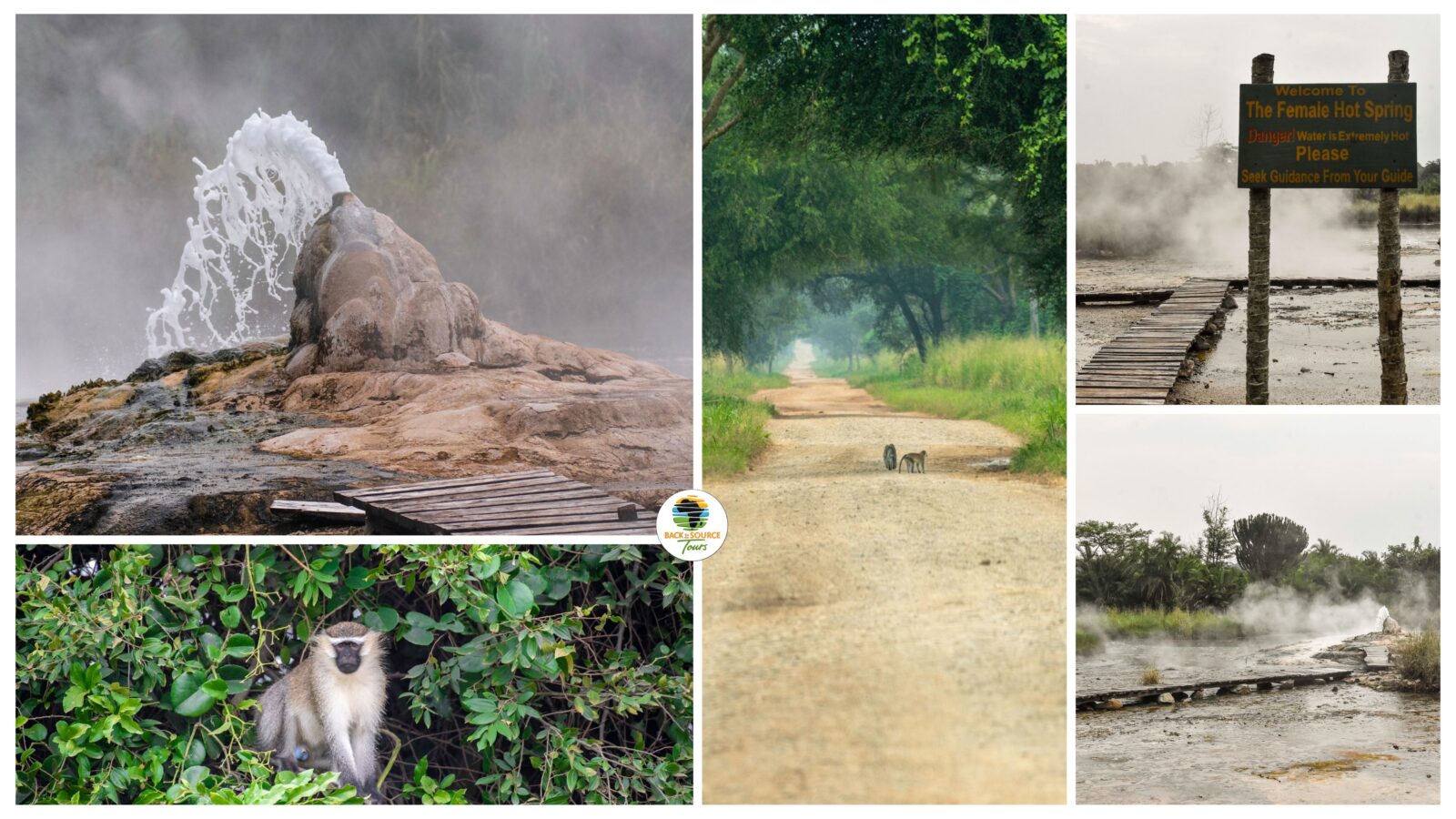
Semuliki supports a strong mix of primates and forest wildlife. Travelers may encounter red tailed monkeys, black and white colobus monkeys, blue monkeys, baboons, and other primates during guided walks. The park also holds forest elephants, buffaloes, forest antelopes, and other mammals. Dense vegetation can make large animals difficult to see. Visitors should come for the forest experience first, then welcome wildlife sightings as a bonus.
The forest also holds rich insect life, butterflies, reptiles, and plant diversity. This makes Semuliki rewarding for naturalists and photographers who enjoy smaller subjects. Tree trunks, palms, vines, fungi, butterflies, and birds can create excellent visual moments. Because the forest environment changes with light and rain, the same trail can feel different throughout the day. Keep expectations realistic and curiosity high. Semuliki performs best for people who notice what others rush past.
Cultural Context Around Semuliki
The communities around Semuliki add important meaning to the destination. The Bakonzo farm on the nearby Rwenzori slopes. The Bwamba live near the base of the range. The Batuku maintain pastoral traditions on the open plains near the Semuliki River. Batwa communities also hold deep historical connections to forest life.
A respectful cultural experience can help travelers understand how people live around the forest, river, slopes, and plains. Activities include guided community visits, storytelling, food learning, craft demonstrations, or conversations with local hosts.
Please ask before taking photos, follow local guidance, and respect private spaces. Culture should never feel like a quick performance between wildlife stops. It should feel like a human conversation with time, dignity, and context.
How to Get to Semuliki National Park
The most common route reaches Semuliki through Fort Portal. Travelers can drive from Kampala to Fort Portal by way of Mubende, then continue toward Sempaya. Another route travels through Mbarara, Kasese, and western Uganda, which can connect well with Lake Mburo National Park, Queen Elizabeth, and the Rwenzori region. From Fort Portal, the road to Semuliki drops toward the rift valley and offers memorable scenery.
The Fort Portal route makes Semuliki easy to pair with nearby experiences. You can add Fort Portal, crater lakes, Kibale Forest National Park, or the Rwenzori region. Chartered flights may also serve the wider Toro Semliki Wildlife Reserve area when routing and availability allow. Road timing still matters because western Uganda routes can feel long. A smart itinerary should place Semuliki where it supports the journey, not strains it.
Fort Portal to Semuliki
The Fort Portal to Semuliki drive is one of the most scenic parts of the journey. The road descends from the highland area toward the rift valley floor. Enjoy the views toward the Rwenzori Mountains and the ever changing vegetation along the route.
Toro Semliki Wildlife Reserve and Lake Albert Add Ons
Toro Semliki Wildlife Reserve lies near Semuliki National Park and can add savannah, riverine, and Lake Albert scenery to the route. The reserve offers a different landscape from the lowland rainforest. Travelers may find grasslands, river gorges, open views, and wildlife such as buffalo, waterbuck, warthog, crocodiles, and Uganda kob. With luck, visitors may also see predators or nocturnal wildlife during guided activities.
Lake Albert can add another strong layer for travelers who enjoy birds and water based scenery. Boat trips from the Ntoroko area may offer opportunities to look for shoebill, hippos, and views toward the escarpment. This extension works best for travelers with enough time because the area deserves careful pacing. For travelers focused on shoebills near Entebbe, the Mabamba Swamp shoebill experience can also support the wider birding plan.
Best Time to Visit Semuliki National Park
Semuliki can be visited throughout the year. Travelers should prepare for rain, humidity, and muddy trails. The wetter periods often fall around March to May and September to December. Afternoon showers can happen during wet months, so flexible planning helps. Birding can still feel rewarding, but trail conditions may require patience. Dry bags, waterproof shoes, and a light rain jacket can save the day.
The drier months can make forest walks and road travel easier. Even so, Semuliki remains a rainforest environment, so weather can change quickly. Travelers should pack for warmth, humidity, rain, insects, and walking. A good daypack should include water, snacks, binoculars, insect repellent, sun protection, and camera protection. The forest respects preparation. It has limited sympathy for guests who packed as though the weather signed a contract.
Responsible Travel Tips for Semuliki
Responsible travel in Semuliki begins with respect for the forest and nearby communities. Stay on guided trails, avoid loud noise, and follow ranger instructions near hot springs. Do not enter restricted areas or touch geothermal water. Travelers should also avoid litter, single use plastics, and careless food waste. Small decisions matter more in sensitive forest environments.
Community respect matters just as much. Ask before photographing people, homes, craft work, or cultural activities. Pay fair prices for local services and support community led experiences when available. A thoughtful traveler helps keep tourism useful to the people who live near protected areas. Semuliki is not only a forest on a map. It is part of a living region where conservation, culture, and livelihoods meet.
Plan Your Semuliki National Park Uganda Experience
Semuliki National Park Uganda suits travelers who enjoy birding, forest walks, hot springs, primates, cultural context, and quieter safari routes. It works well as a day trip from Fort Portal or as part of a deeper western Uganda itinerary. The park can feel different from the country’s more famous destinations, which is exactly why it deserves attention. It adds rainforest texture, Central African influence, and geothermal drama to the route.
Plan this experience with Back to the Source Tours: East Africa Tour Packages, East Africa Group Tours, and/or Request Your East Africa Safari Quote.