

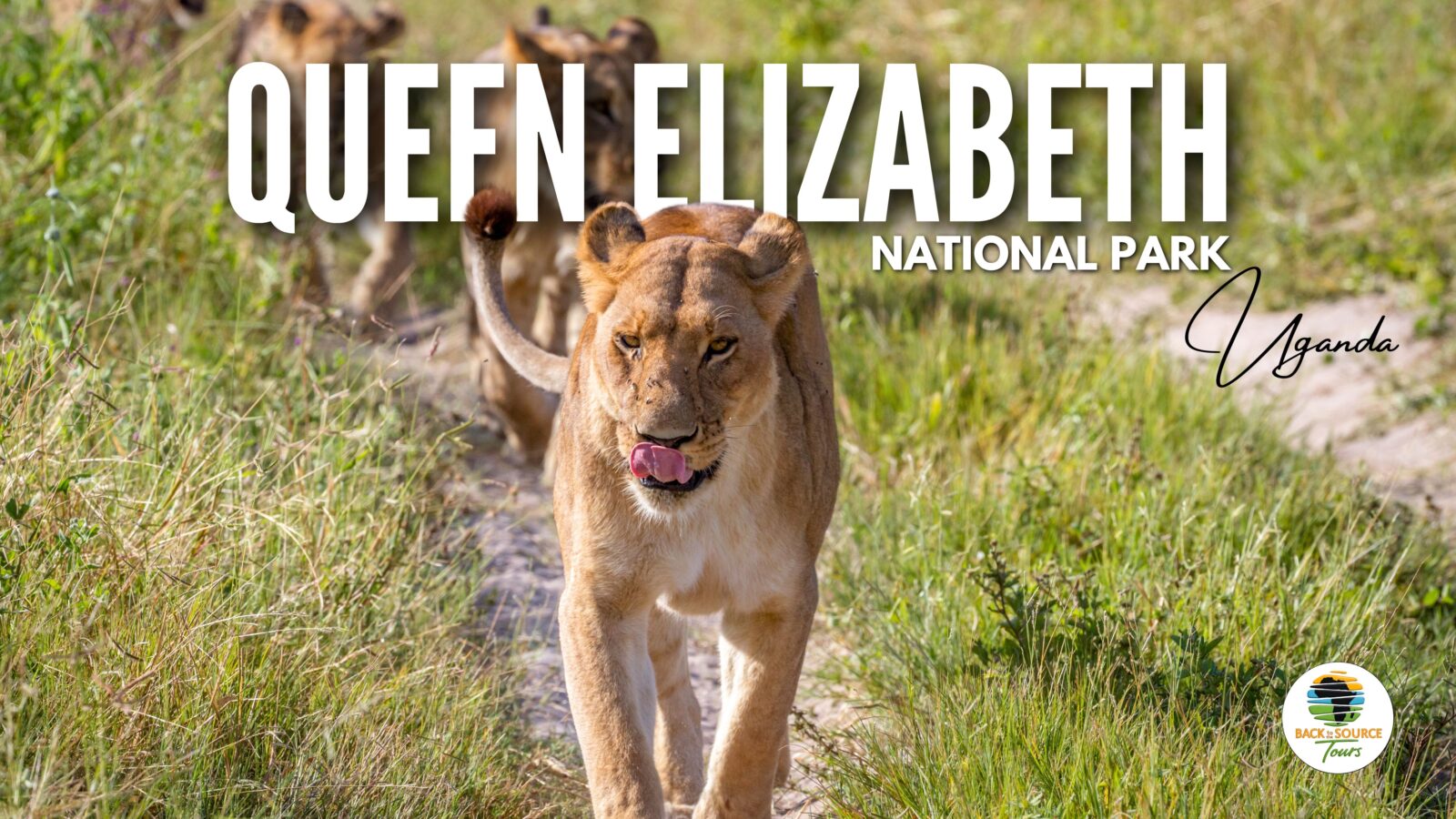
Queen Elizabeth National Park: Where Uganda’s Wilderness Comes Alive
Queen Elizabeth National Park Uganda gives travelers one of the strongest safari experiences in western Uganda. The park combines savannah, crater lakes, wetlands, forests, river channels, and the dramatic backdrop of the Rwenzori Mountains. In addition, it connects naturally with Kibale Forest, Bwindi Impenetrable Forest, Fort Portal, and Murchison Falls National Park.
Originally established as Kazinga National Park in 1952, the park later became Queen Elizabeth National Park after Queen Elizabeth II’s visit. Today, it remains one of Uganda’s most important wildlife and conservation destinations. Travelers visit for Kazinga Channel boat cruises, Kasenyi Plains game drives, Kyambura Gorge chimpanzee trekking, Maramagambo Forest, Lake Katwe salt works, and the Ishasha tree climbing lions.
Back to the Source Tours includes Queen Elizabeth in select Uganda safari tours because it adds excellent wildlife variety. As a result, travelers can experience water safari, classic game drives, forest walks, cultural visits, and strong route connections in one destination.
What to Do in Queen Elizabeth National Park
1. Classic Game Drives
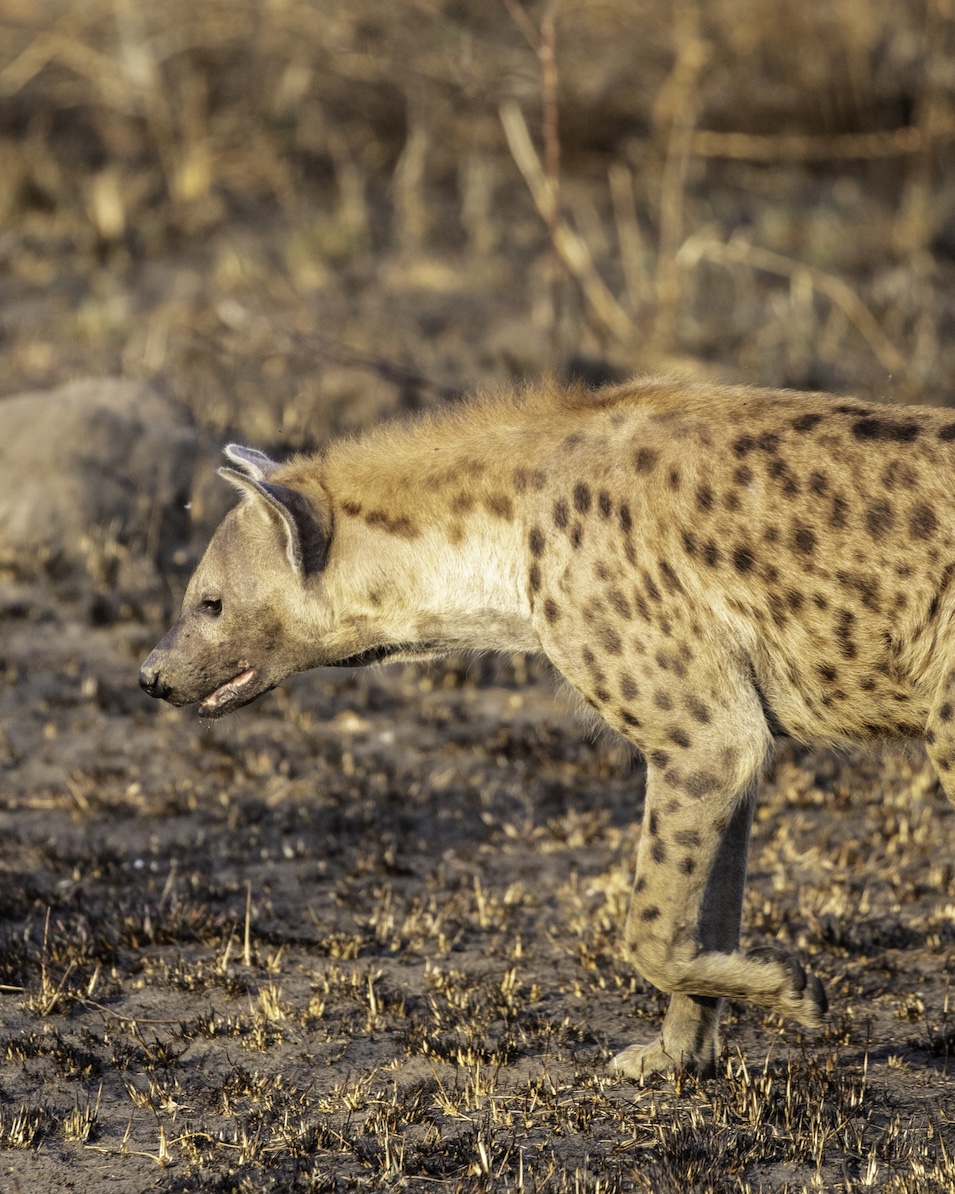
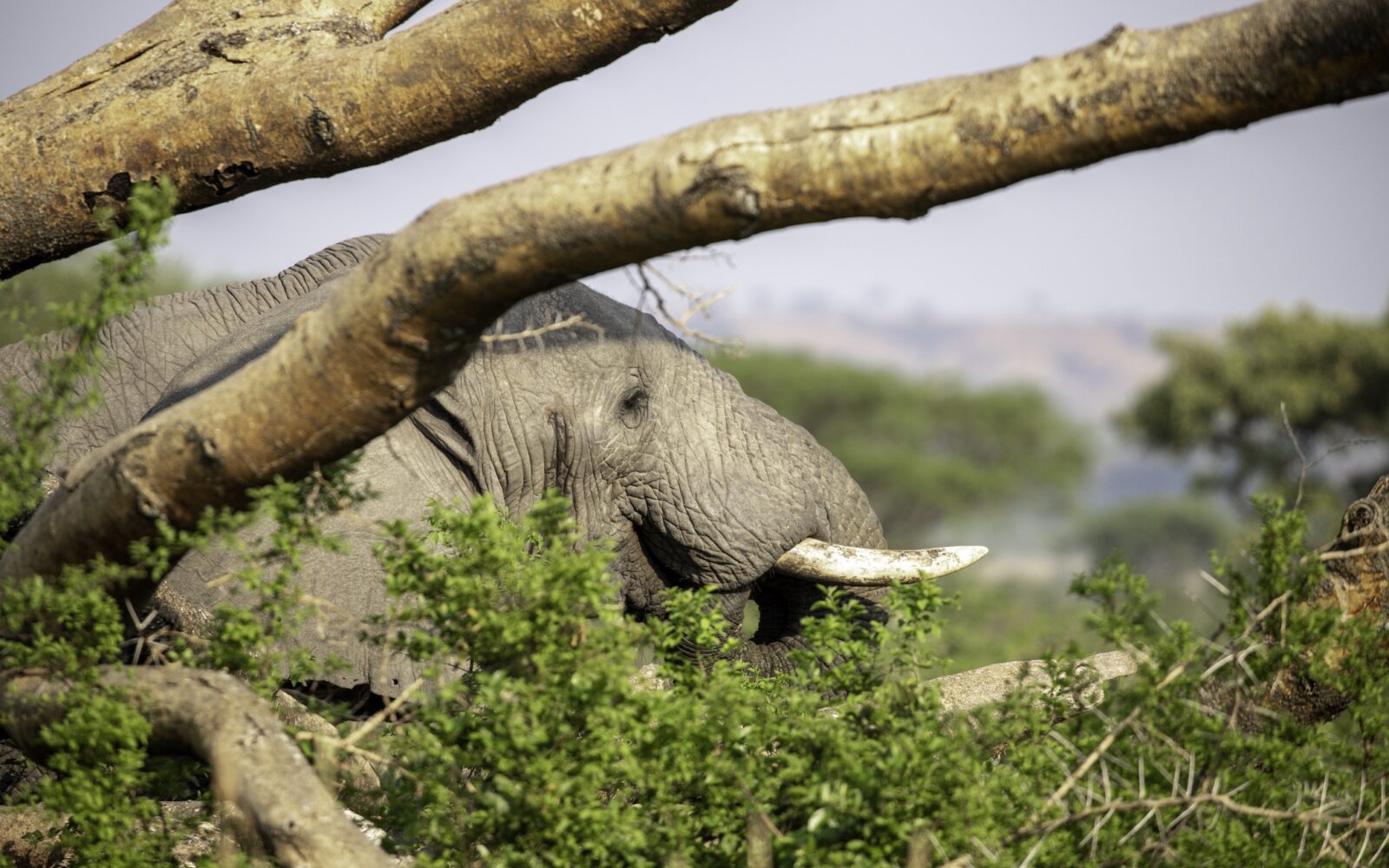
From the Kasenyi Plains to the Mweya Peninsula, Queen Elizabeth offers exhilarating game drives with incredible diversity. Expect to see elephants, buffalo, Uganda kobs, waterbucks, hyenas, and with a bit of luck, lions and leopards.
Early morning and late afternoon drives are prime time, when the animals are most active and the golden light makes everything feel cinematic.
2. Lion and Leopard Tracking (with UWA Researchers)
For a deeper safari experience, join Uganda Wildlife Authority rangers for an unforgettable lion and leopard tracking activity using radio collars.
These exclusive excursions in the Kasenyi and Mweya areas offer a close-up view of Uganda’s big cats and insight into vital research and conservation work.
3. Boat Cruise on the Kazinga Channel
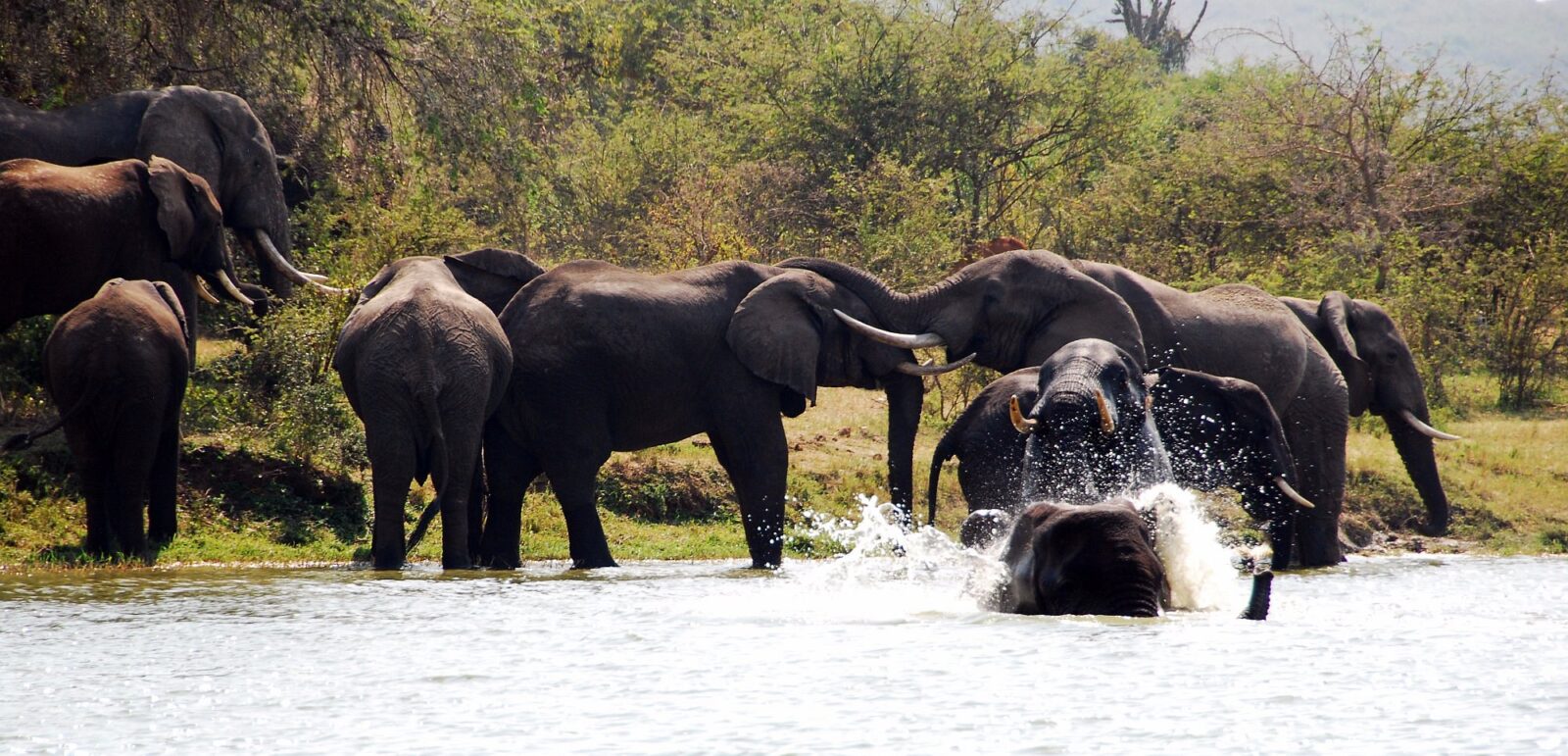
A two-hour Kazinga Channel boat cruise is an absolute highlight. Connecting Lake Edward and Lake George, this 32-km waterway is home to some of the highest concentrations of hippos and Nile crocodiles in the world.
Elephants gather at the water’s edge, birdlife flourishes, and the gentle pace allows for incredible photography and interpretation by expert guides.
You might even witness a dramatic moment as a predator stalks prey or animals jostle for watering space.
4. Tree-Climbing Lions of Ishasha
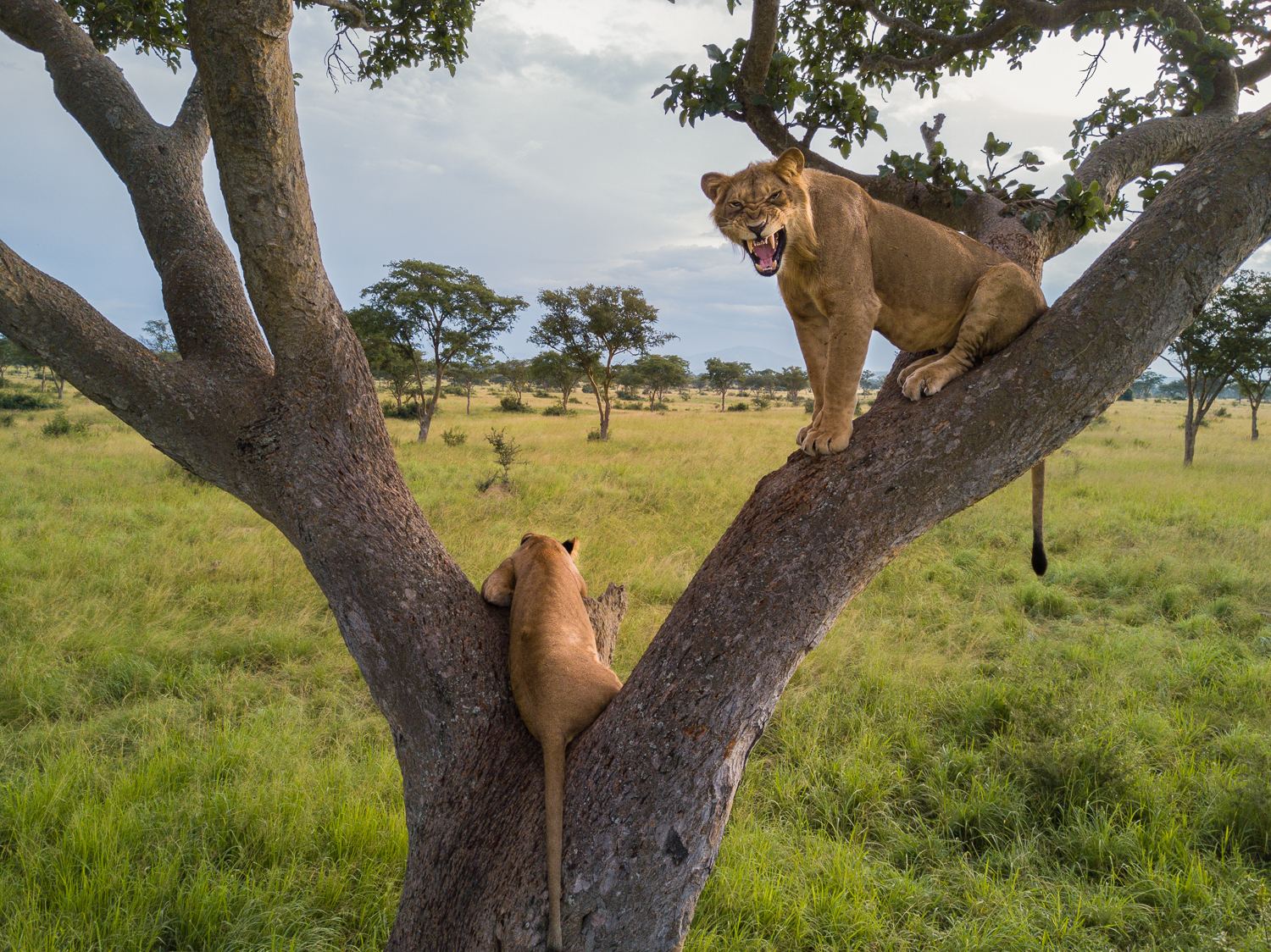
In the remote southern reaches of the park lies Ishasha, a hidden gem known for its iconic tree-climbing lions. This rare behavior is seen in only a few places in Africa. Spotting these majestic cats lounging in fig trees is a surreal and unforgettable sight.
Ishasha Sector and the Road to Bwindi
The Ishasha sector sits in the southern part of Queen Elizabeth National Park. This area is famous for tree climbing lions, especially when lions rest in fig trees during warmer hours. However, wildlife sightings always depend on timing, weather, movement, and patience.
Ishasha also matters because it sits along the road route toward Buhoma and Bwindi Impenetrable Forest. Therefore, travelers can use this transfer day as a safari experience rather than just a drive.
Back to the Source Tours often recommends this route when guests want to connect Queen Elizabeth National Parkwith gorilla trekking in Bwindi. It creates a strong contrast between savannah wildlife and rainforest trekking.
5. The Mongoose Project
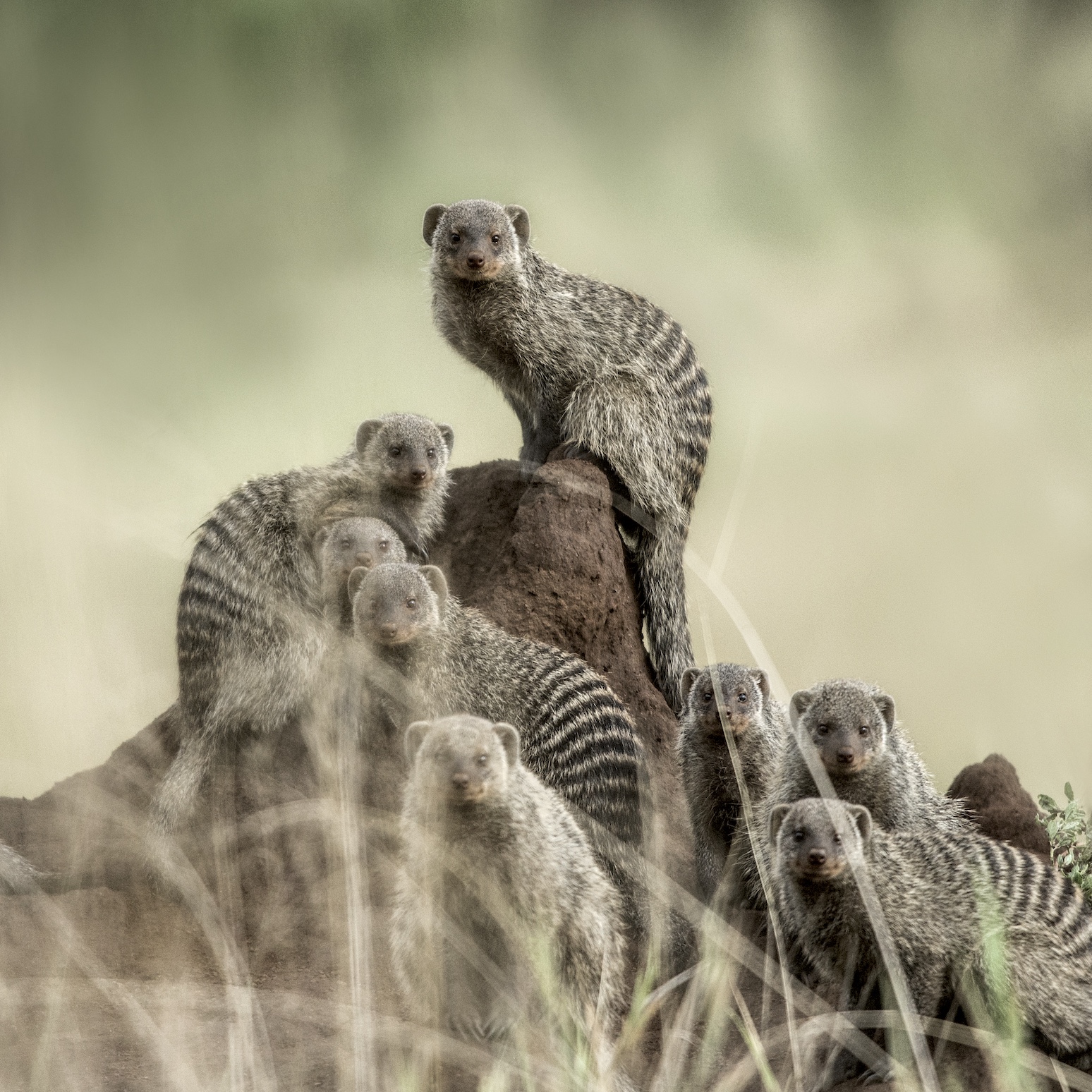
Banded mongoose tracking In the Mweya Peninsula, is a lesser-known gem. Guests can join researchers to monitor banded mongooses, a curious and highly social creature living in colonies. This unique experience allows for a deeper look at wildlife research, animal behavior, and conservation inside Queen Elizabeth National Park.
6. Bird Watching (Over 600 Species)
Queen Elizabeth is a birder’s paradise, with over 600 recorded species. From the striking saddle-billed stork and African skimmer to the rare shoebill stork and 11 species of kingfishers, bird enthusiasts will be in awe.
Birding is excellent throughout the year, but especially rewarding during the migratory months of November to April.
7. Crater Lake Exploration
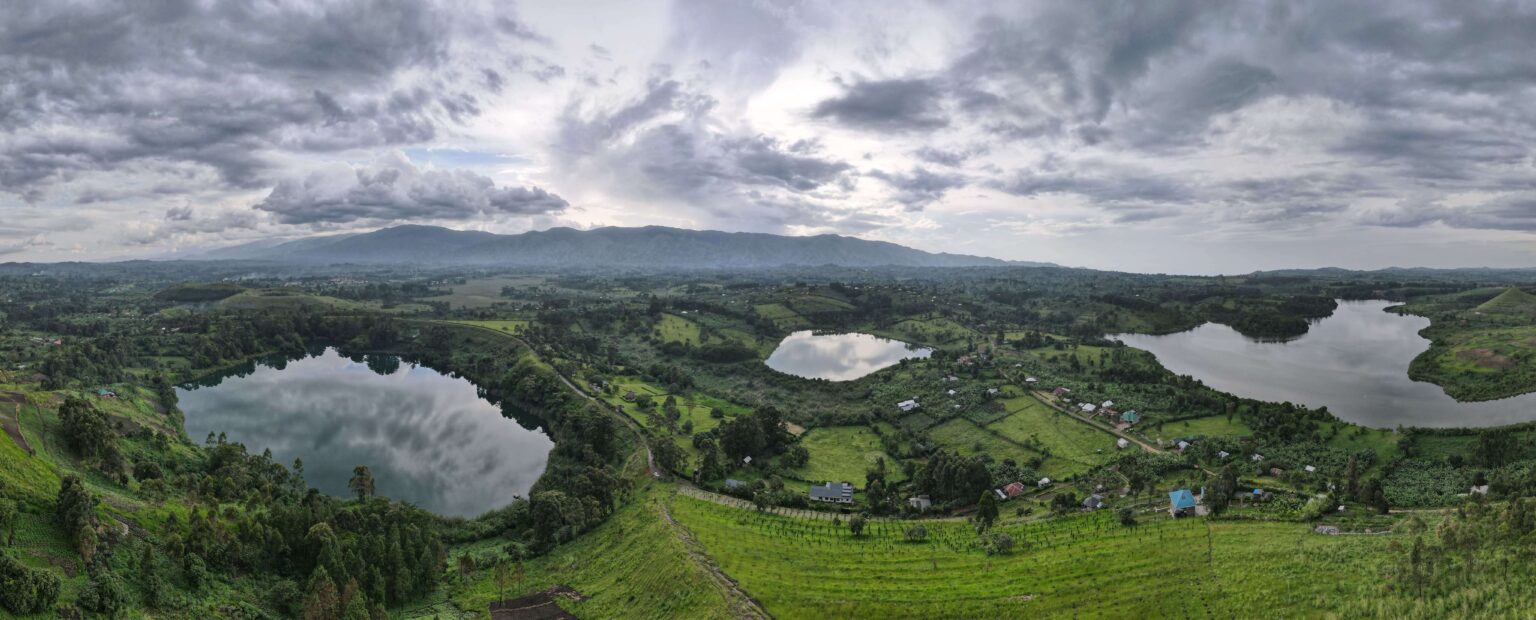
The park features over 10 ancient volcanic craters that have formed dramatic lakes and ridges. These offer panoramic views and surreal landscapes.
A crater drive near Katwe or Bunyaruguru is perfect for nature photography, hiking, or simply soaking in Uganda’s dramatic terrain.
8. Cultural Encounters & Community Visits
A trip to Queen Elizabeth National Park isn’t complete without connecting with the communities that call the region home.
Visit the salt pans of Lake Katwe to witness traditional salt harvesting, or join community tourism groups offering dance performances, handicraft demonstrations, storytelling, and homestead visits.
Back to the Source Tours proudly supports ethical tourism that gives back, ensuring your visit makes a positive impact.
9. Lake Katwe Salt Works and Community Experience
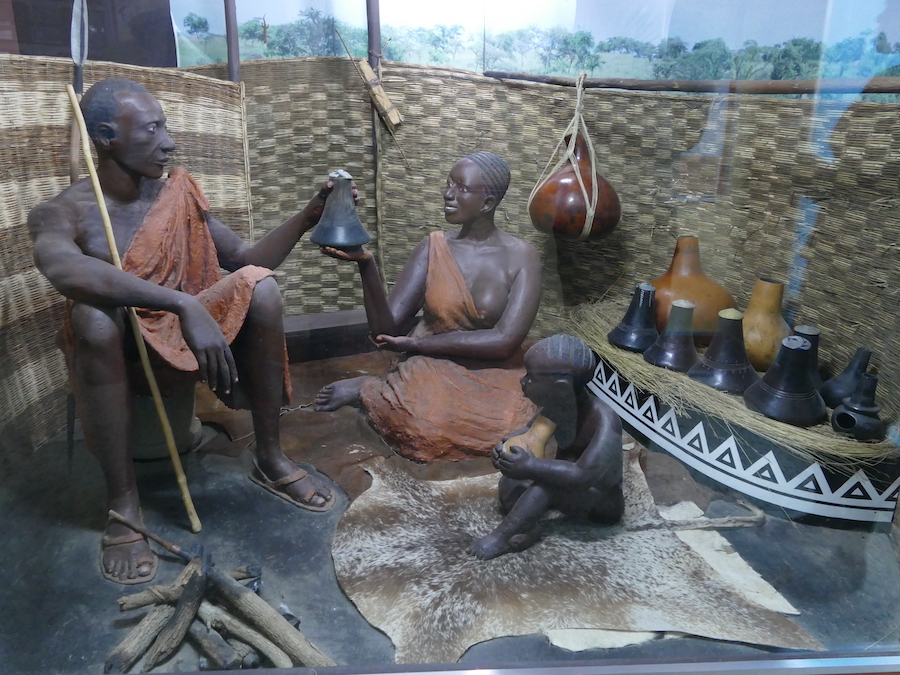
Lake Katwe adds cultural depth to a Queen Elizabeth National Park Uganda itinerary. During a guided visit, travelers learn how local communities harvest salt from the lake using traditional methods. In addition, the experience shows how people have adapted to the volcanic landscape around the park.
The salt pans create a striking visual scene. Meanwhile, local guides explain the work, the history, and the role salt has played in community livelihoods. This stop works well for travelers who want more than wildlife viewing. It adds people, place, history, and practical cultural context to the safari.
10. Chimpanzee Trekking in Kyambura Gorge
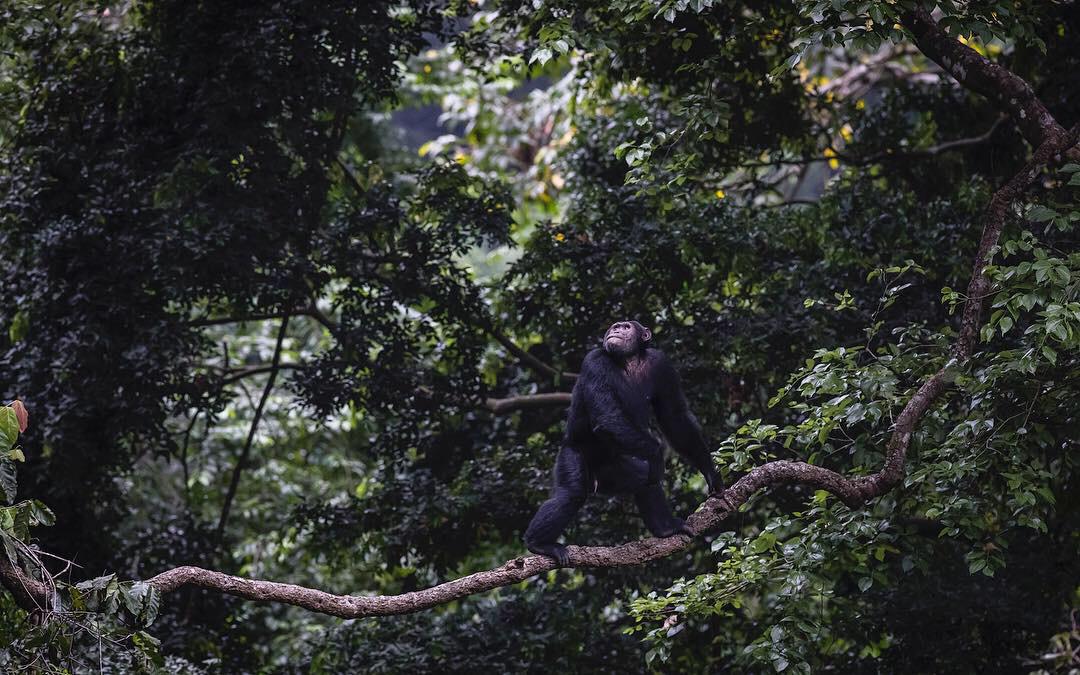
Nicknamed “The Valley of the Apes,” Kyambura Gorge is a hidden world within the vast savannahs of Queen Elizabeth National Park.
This lush, sunken rainforest canyon, over 100 meters deep, offers a surreal change of scenery from the open plains, making it one of Uganda’s most dramatic and photogenic landscapes.
As you descend into the gorge, thick vegetation, towering fig trees, and echoing birdcalls surround you, transporting you into an entirely different ecosystem.
The main attraction: A small but resilient population of chimpanzees has adapted to life in this isolated corridor. Trekking through the gorge offers a rare and intimate experience with these intelligent primates, guided by expert trackers who help you interpret vocalizations, nests, and behavior.
Along the way, you may also encounter red-tailed monkeys, black-and-white colobus, olive baboons, giant forest hogs, and a wide range of forest birds.
Why it matters:
Kyambura is one of the less-traveled and most underrated sections of Queen Elizabeth National Park, offering fewer crowds and more personalized trekking. It’s ideal for those looking to go beyond the typical safari and dive deeper into Uganda’s rich primate heritage.
Conservationists have long focused on Kyambura as a vital ecological corridor, and your visit directly supports the protection of this fragile habitat and the wildlife that depends on it.
Whether you’re a seasoned adventurer or a curious nature lover, Kyambura Gorge offers a rare mix of mystery, beauty, and purpose, making it a perfect addition to your Queen Elizabeth itinerary.
10. Night Drives and Bush Sundowners
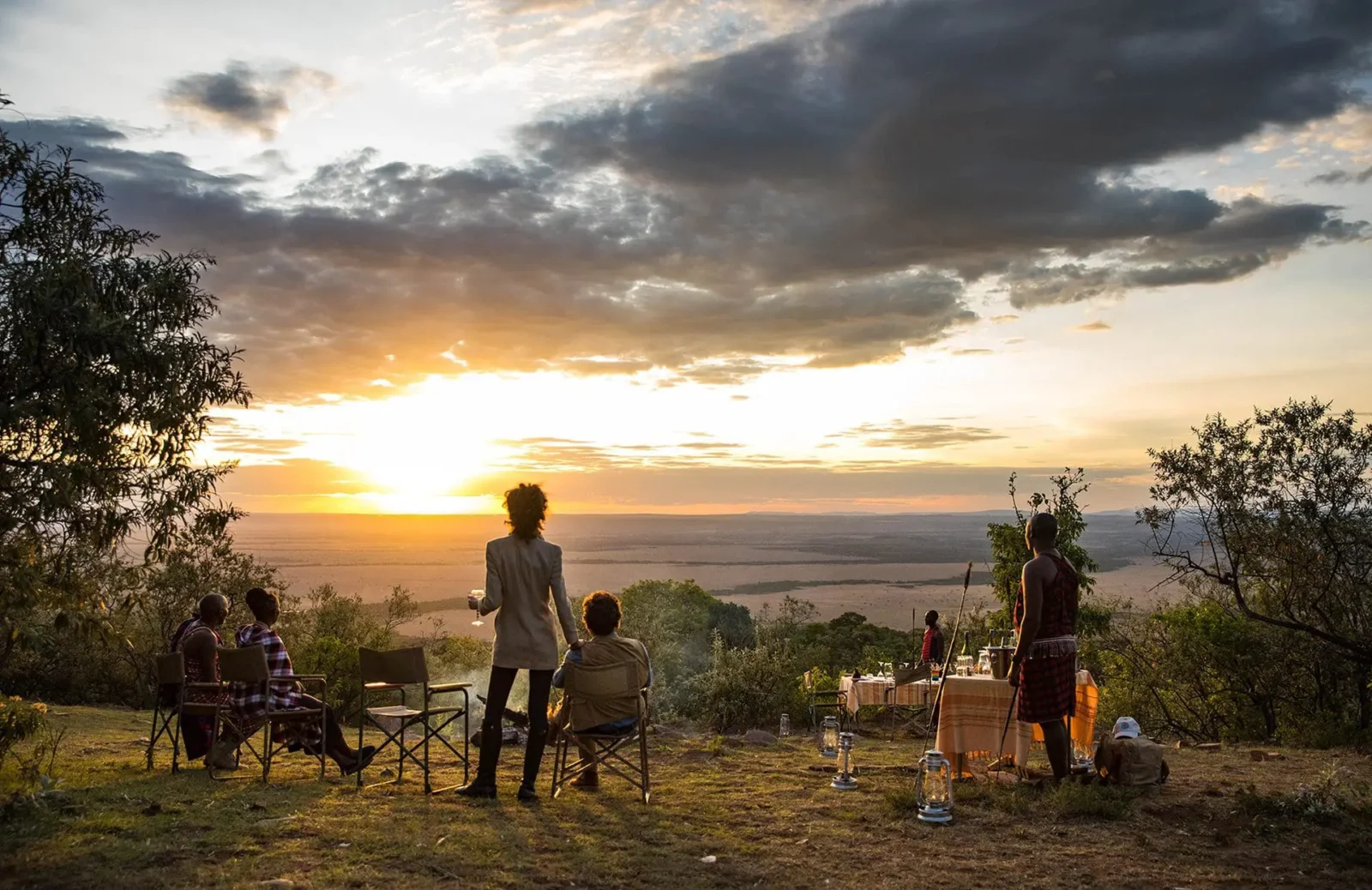
For those craving more, Back to the Source Tours can arrange night game drives or private sundowners in the bush. Listen to the chorus of nocturnal life, stargaze under clear skies, and raise a glass as the savannah slips into silhouette.
11. Maramagambo Forest Walks in Queen Elizabeth National Park
Maramagambo Forest adds a completely different mood to a Queen Elizabeth safari. Instead of open savannah, travelers enter shaded forest trails, birdlife, primates, and crater lake scenery. In addition, the forest gives guests a cooler and quieter activity between game drives.
Guided walks can range from shorter nature walks to longer half day experiences. Along the way, travelers may see black and white colobus monkeys, red tailed monkeys, blue monkeys, baboons, forest birds, butterflies, and rich plant life.
Bat Cave Blue Lake and Forest Trails
One of the best known stops in Maramagambo Forest is the bat cave viewing area. Guests may observe bats from a safe distance while guides explain the forest ecosystem.
The forest also gives access to scenic crater lake areas, including views connected to Blue Lake and nearby forest trails. Meanwhile, birders can enjoy species that differ from the open plains.
This activity works well for travelers who want variety. It also pairs beautifully with Kazinga Channel, Kyambura Gorge, and the crater lake route.
How to Reach Queen Elizabeth National Park by Road or Air
Most travelers reach Queen Elizabeth National Park by road as part of a western Uganda safari circuit. From Kampala or Entebbe, the drive usually takes a full travel day, depending on stops, route, and road conditions. However, the journey can include Fort Portal, crater lakes, tea landscapes, or Kibale Forest.
From Fort Portal, travelers can reach the northern side of the park in about 2 to 3 hours. Meanwhile, Kibale Forest often pairs well with Queen Elizabeth because chimpanzee trekking connects naturally with savannah wildlife. The road from central Queen Elizabeth toward Buhoma usually takes about 4 to 5 hours, depending on lodge location and road conditions. In addition, the Ishasha sector can turn this transfer into a valuable game drive day.
Travelers can also connect Queen Elizabeth with the Rwenzori Mountains. Depending on the trail area and lodge location, the drive can take about 1 to 3 hours. By contrast, Murchison Falls National Park requires a longer transfer. Guests should treat that route as a full travel day or build it into a wider Uganda safari.
For travelers who prefer to save time, scheduled or charter flights can support the route. Nearby airstrips include Kasese Airstrip, Mweya Airstrip, and Kihihi Airstrip, depending on the final itinerary. Back to the Source Tours helps guests choose between road travel and air travel. As a result, the safari can match your time, comfort level, and budget.
Tours That Can Include Queen Elizabeth National Park
Queen Elizabeth National Park works well inside longer Uganda safari routes because it connects several major regions. For example, our 12 Day Uganda Safari Itinerary can include Kibale Forest, Queen Elizabeth National Park, and Bwindi Impenetrable Forest. This route gives travelers chimpanzees, game drives, the Kazinga Channel, and gorilla trekking in one journey.
In addition, our 9 Day Adventure of Walking with Wildlife Tour includes Queen Elizabeth experiences such as game drives, the Kazinga Channel, and optional activities. This tour works well for travelers who want wildlife, walking experiences, and conservation focused activities.
Travelers with more time can also add Murchison Falls National Park, Ziwa Rhino and Wildlife Ranch, Rwenzori Mountains, or Lake Mburo National Park. Meanwhile, shorter itineraries can focus on Queen Elizabeth, Kibale, and Bwindi.
Back to the Source Tours can also build a custom Uganda safari around your dates, group size, and preferred comfort level.
Plan Your Queen Elizabeth Safari with Back to the Source Tours
A Queen Elizabeth safari deserves smart timing, strong guiding, and a route that connects well with the rest of Uganda.
Back to the Source Tours can include Queen Elizabeth National Park Uganda in a private safari, group tour, or longer East Africa itinerary. In addition, our team can pair the park with Kibale Forest, Bwindi, Fort Portal, Murchison Falls, or the Rwenzori Mountains.
Tell us your travel dates, group size, comfort level, and must see experiences. Then, we will recommend the best route for your Uganda safari.
Plan Your Uganda Safari