

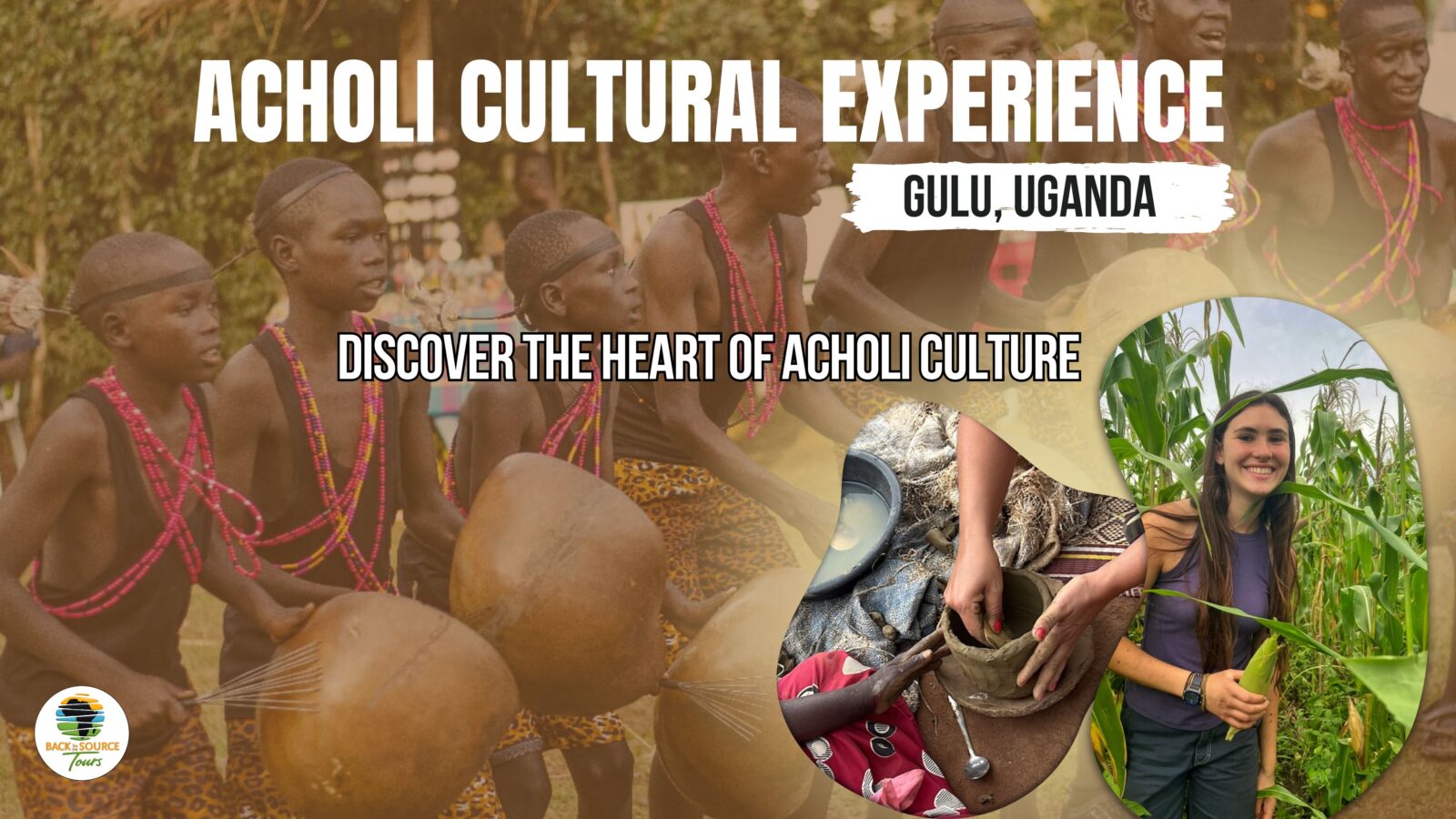
Acholi Cultural Experience in Gulu Uganda
An Acholi cultural experience Gulu Uganda adds depth to a northern Uganda safari. Many travelers focus on wildlife in Kidepo Valley National Park, Murchison Falls National Park, or the wider Karamoja region. However, the route also carries powerful cultural value. Gulu gives travelers a meaningful way to connect with Acholi heritage, village life, food traditions, crafts, music, storytelling, and community led activities. As a result, this experience works well before or after a Kidepo and Karamoja journey.
Back to the Source Tours organizes genuine community experiences along the way to many national parks. We also design off the beaten path journeys across Uganda for travelers who want culture, conservation, and real local connection. This Gulu Uganda cultural tour gives guests time with local hosts, artisans, elders, cooks, guides, and community members. The experience supports local livelihoods through tourism that values skill, heritage, and participation. It is a strong route stop for travelers who believe a safari should include more than wildlife sightings and vehicle transfers.
Why Add Gulu to a Northern Uganda Safari Route
Gulu sits in northern Uganda and serves as an important gateway into Acholiland. Travelers heading toward Kidepo Valley National Park can use this region to add culture, community, and historical context to the journey. By contrast, a direct wildlife route can miss the human stories that make northern Uganda so compelling. A well planned stop in Gulu gives the itinerary better balance. It also helps travelers understand how culture, food, music, farming, and craft traditions shape daily life outside the national parks.
This experience also pairs well with Murchison Falls National Park, Ziwa Rhino and Wildlife Ranch, and the wider Kidepo Karamoja route Uganda. Our team designs private custom routes that include Gulu, community experiences, and northern Uganda safari highlights.
What Makes the Acholi Community Experience Meaningful
An Acholi community experience invites travelers to learn through participation rather than observation alone. Guests may join cooking activities, shea butter production, pottery, basket weaving, village walks, hill hiking, storytelling, and traditional music. Each activity reveals a different part of Acholi life. For example, food introduces farming and family traditions. Pottery and basketry show patience, design, and practical skill while music and dance bring history, celebration, and identity into one shared space.
Community based tourism works best when travelers arrive with respect and curiosity. This experience does not need to feel staged or rushed. Instead, it should feel personal, organized, and useful to the host community.
Acholi Culinary Experience and Shea Butter Production
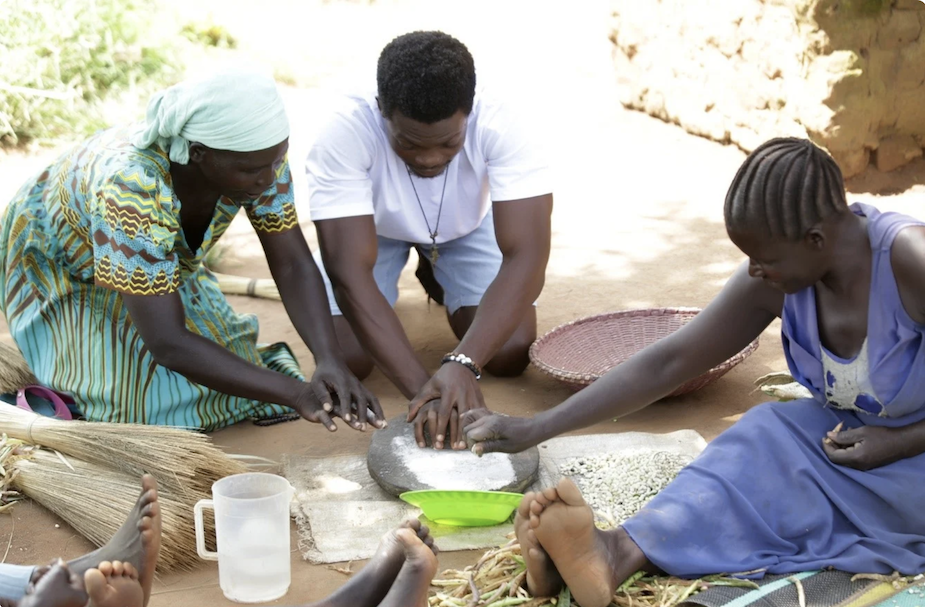
The Acholi culinary experience gives travelers a hands on introduction to food, farming, and local household traditions. Guests may harvest fresh ingredients from a garden, learn how Acholi dishes come together, and share a wholesome meal after preparation. The process creates a strong connection between land, food, and family life. Because many Acholi food traditions rely on crops such as millet, simsim, groundnuts, sorghum, and vegetables, the activity also helps travelers understand local agriculture.
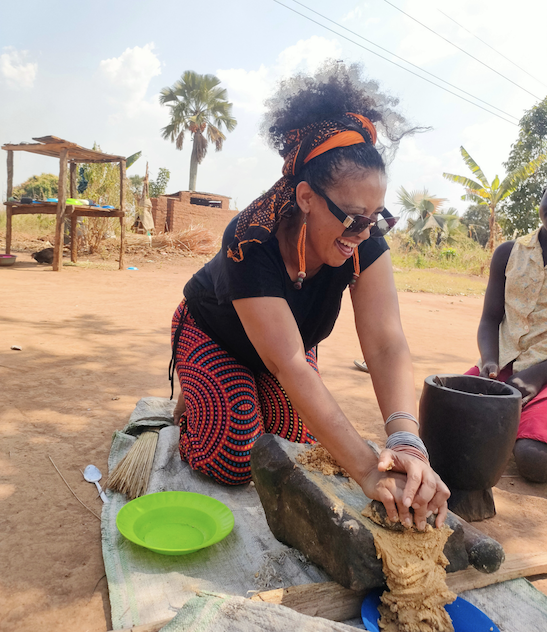
Shea butter production adds another important layer to the experience. Travelers can learn how community members produce shea butter from scratch and why shea trees matter to local ecosystems. This activity connects beauty, food, conservation, and income in one practical demonstration. The activity gives travelers a better understanding of how natural resources support livelihoods when communities protect them.
Why Food Experiences Matter on Safari
Food experiences help travelers understand a destination beyond scenery. A meal can explain climate, crops, family roles, markets, land use, and celebration. During this Acholi activity, guests do more than taste local dishes. They learn how people prepare food, share knowledge, and use ingredients from the surrounding area. As a result, the experience adds context that a standard lunch stop cannot provide.
This type of activity also supports responsible travel. When travelers join a community led food experience, they help create direct value for local hosts. At the same time, they gain a more honest understanding of daily life.
Pottery Experience in Acholiland
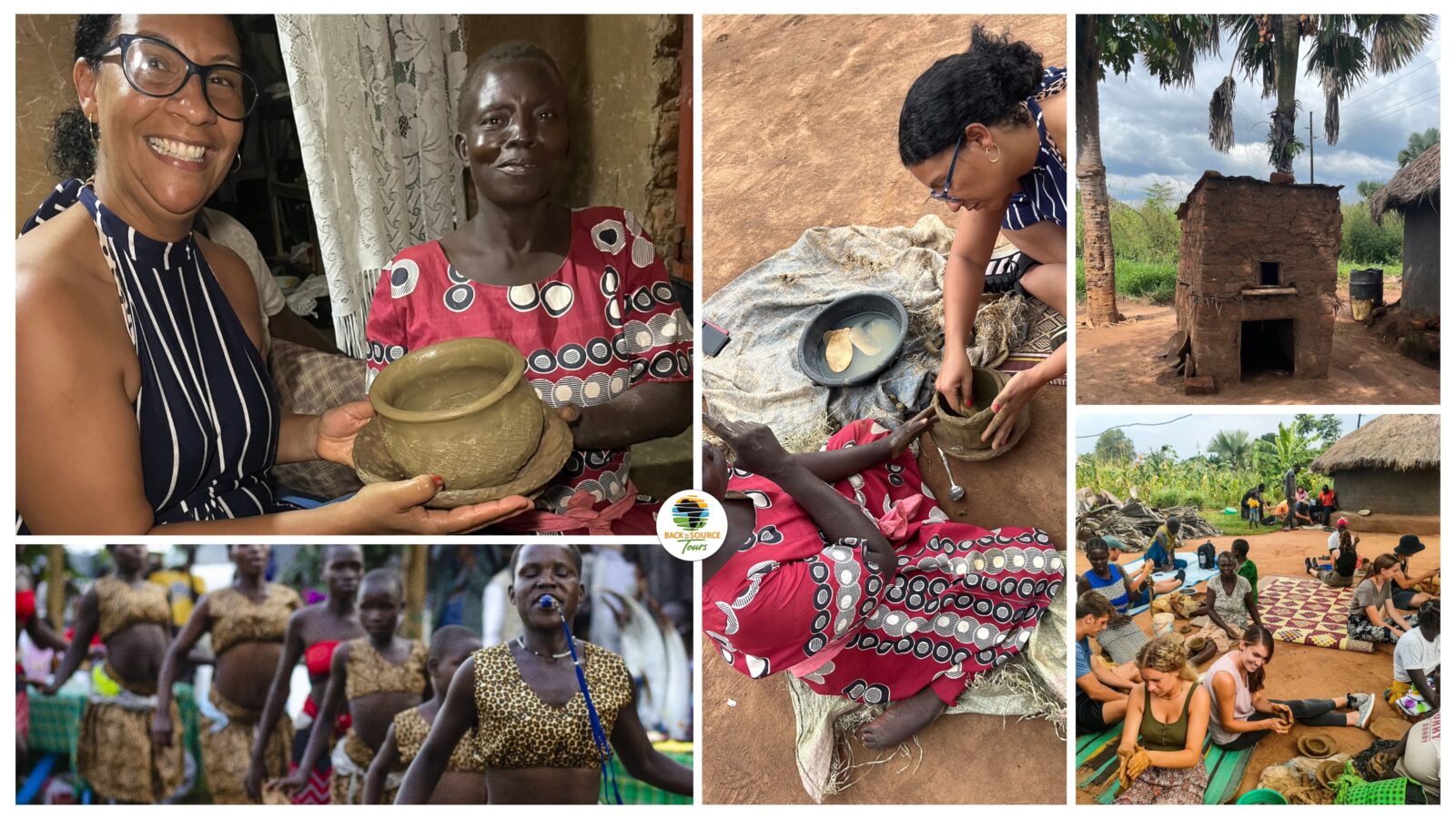
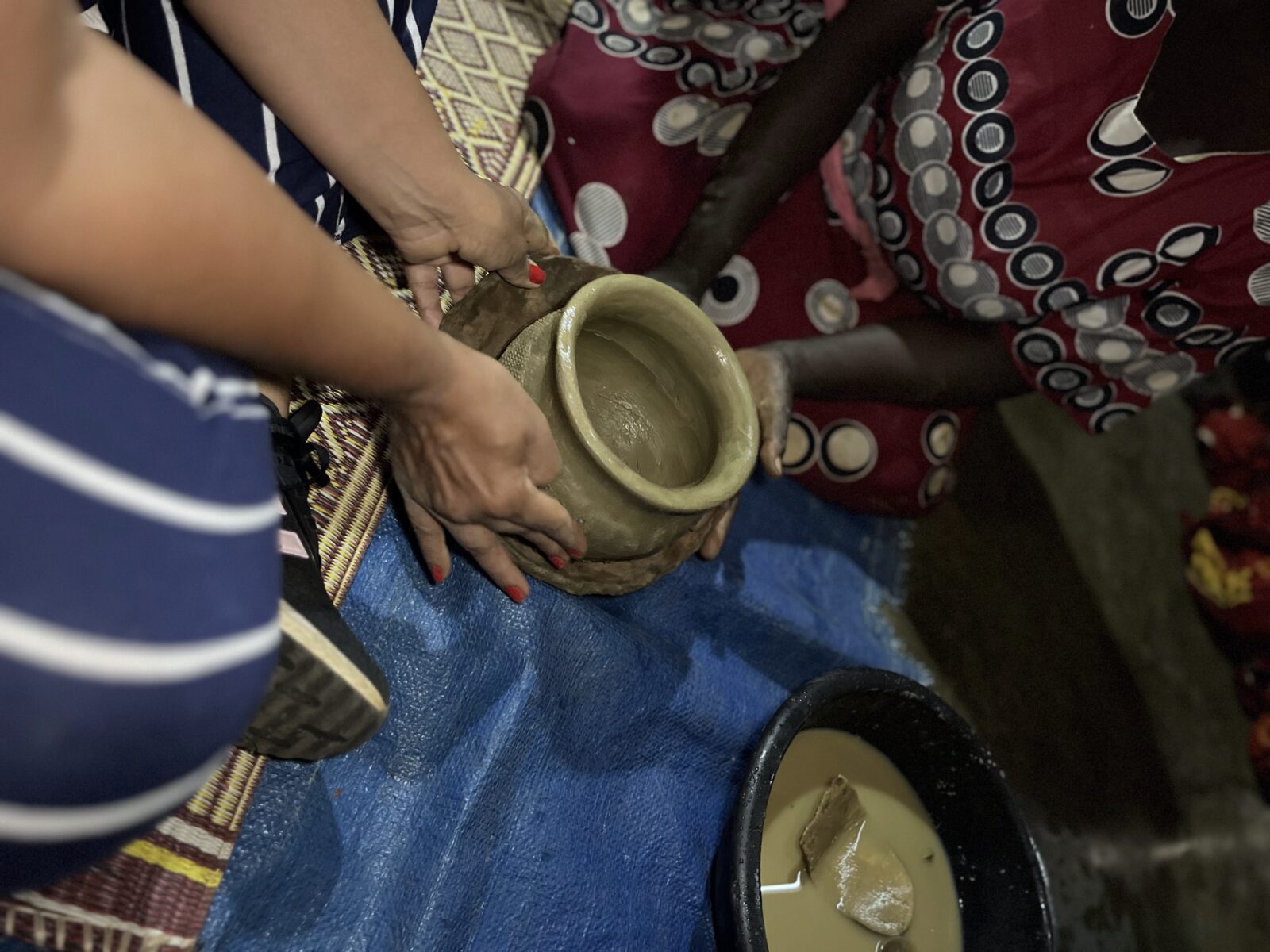
Pottery in Acholiland carries cultural, practical, and artistic value. Traditionally, clay pots supported daily life through cooking, serving food, and storing clean drinking water. During this experience, travelers can learn how skilled women shape clay by hand. They may also see how technique, patience, and inherited knowledge influence each stage of the process. Because pottery requires focus and touch, the activity encourages guests to slow down and appreciate the craft.
This experience also highlights the importance of preserving traditional skills. Modern lifestyles can reduce demand for handmade items, yet these crafts still hold strong cultural meaning. When travelers participate respectfully, they help support artisans who continue to teach and practice these skills. Meanwhile, the activity creates a practical bridge between generations. Guests leave with a stronger appreciation for craftsmanship and the women who keep this tradition alive. It is not just a pot; it is a board meeting between clay, hands, and heritage.
Basket Weaving and Acholi Craft Traditions
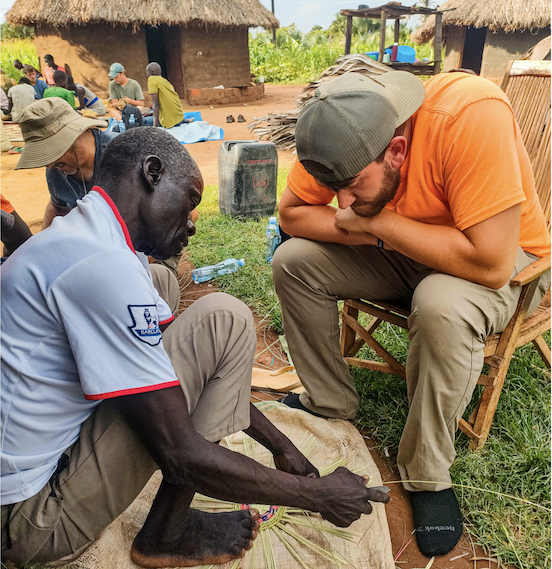
Basket weaving remains one of the most engaging northern Uganda cultural activities. Acholi baskets and winnowers serve daily household purposes while also expressing design, color, and creativity. Baskets can store items or serve traditional dishes. Winnowers help separate grain from chaff during food preparation. These objects carry practical value, but they also tell a larger story about skill, community, and cultural memory.
During a basket weaving experience, travelers can observe or try selected steps under local guidance. The activity demands patience, steady hands, and attention to detail. As a result, guests quickly respect the skill behind each finished item. This experience also creates space for conversation with community members. Travelers can ask about materials, patterns, uses, and how craft knowledge moves from one generation to another.
Crafts as Community Livelihoods
Craft activities support more than cultural display. They also create income opportunities for artisans, guides, and families. When travelers purchase handmade items directly from community members, money moves closer to the people who created the work. That matters because responsible travel should support the skills and dignity of host communities. It should also respect the time behind each item.
Back to the Source Tours encourages travelers to approach craft experiences with fairness and appreciation. Guests should ask before taking photos and allow hosts to guide the interaction. Meanwhile, travelers should remember that handmade work takes time. A low price should never become the main goal. A meaningful purchase can support the artist and carry a better story home.
Village Walk and Hiking Ajulu Hill
A village walk through the Gulu area can introduce travelers to traditional compound layouts, community paths, farming spaces, and local daily life. The experience may also include Patiko Village, where circular grass thatched huts and rural surroundings create a strong sense of place. This walk helps guests understand architecture, family life, and community rhythm. However, it also works best when travelers follow local guidance and respect private spaces.
The village walk can continue toward Ajulu Hill, where travelers enjoy a more active cultural and nature experience. This hike can take about three to four hours, depending on the pace, timing, and group ability. From the top, guests can enjoy wide views across the surrounding landscape. The experience works well for travelers who want movement, scenery, and culture in one activity. We can match the hike to the traveler’s fitness level because hills rarely accept verbal negotiations.
Best Timing for Ajulu Hill
Ajulu Hill works especially well during the cooler parts of the day. Morning hikes can feel fresh and active. Meanwhile, late afternoon can offer softer light and memorable views. The best timing depends on the wider itinerary, weather, and community schedule. Travelers should wear comfortable walking shoes, carry water, and use sun protection.
This hike can also fit well before an evening cultural gathering. After the walk, guests can return for storytelling, music, or a meal. That sequence creates a strong cultural day without feeling overloaded.
Wang Oo Storytelling Around the Bonfire
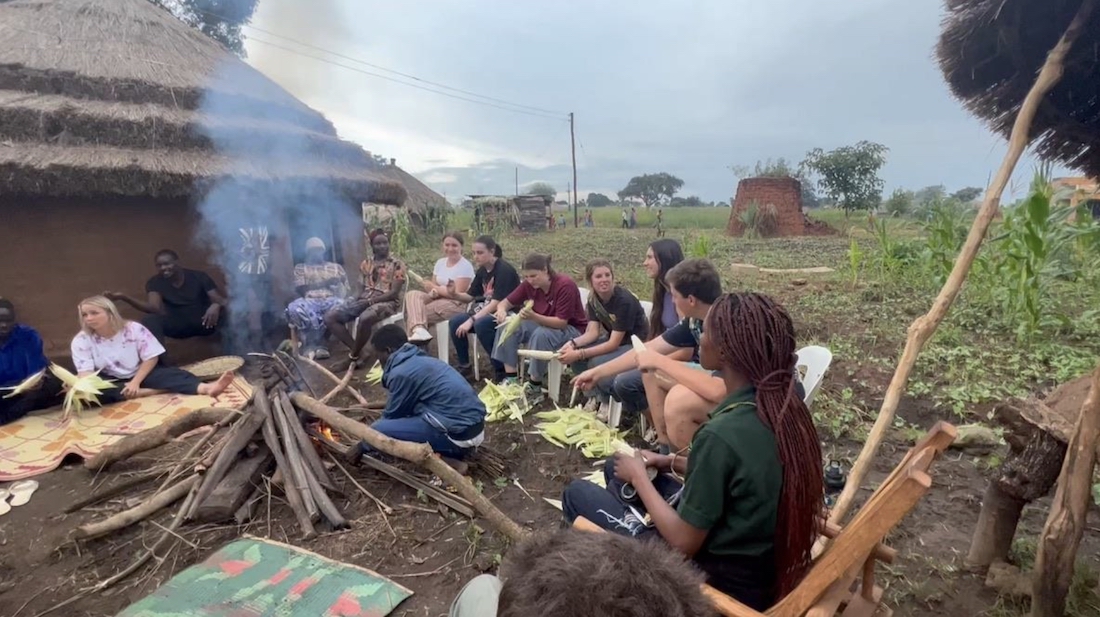
Wang Oo refers to traditional learning around the bonfire. In Acholi culture, elders used this setting to teach young people through stories, memory, humor, and wisdom. The stories could cover agriculture, marriage, family responsibility, past raids, community values, and life lessons. Because many communities experienced disruption during years of conflict, this tradition carries emotional and cultural importance today.
For travelers, a Wang Oo gathering offers a powerful way to listen. It also creates a respectful setting for elders to share knowledge and history. This experience should never feel like entertainment only. Instead, it gives visitors a chance to understand how oral tradition preserves identity. At the same time, it reminds travelers that culture lives through people, not museum labels.
Acholi Traditional Dances and Music
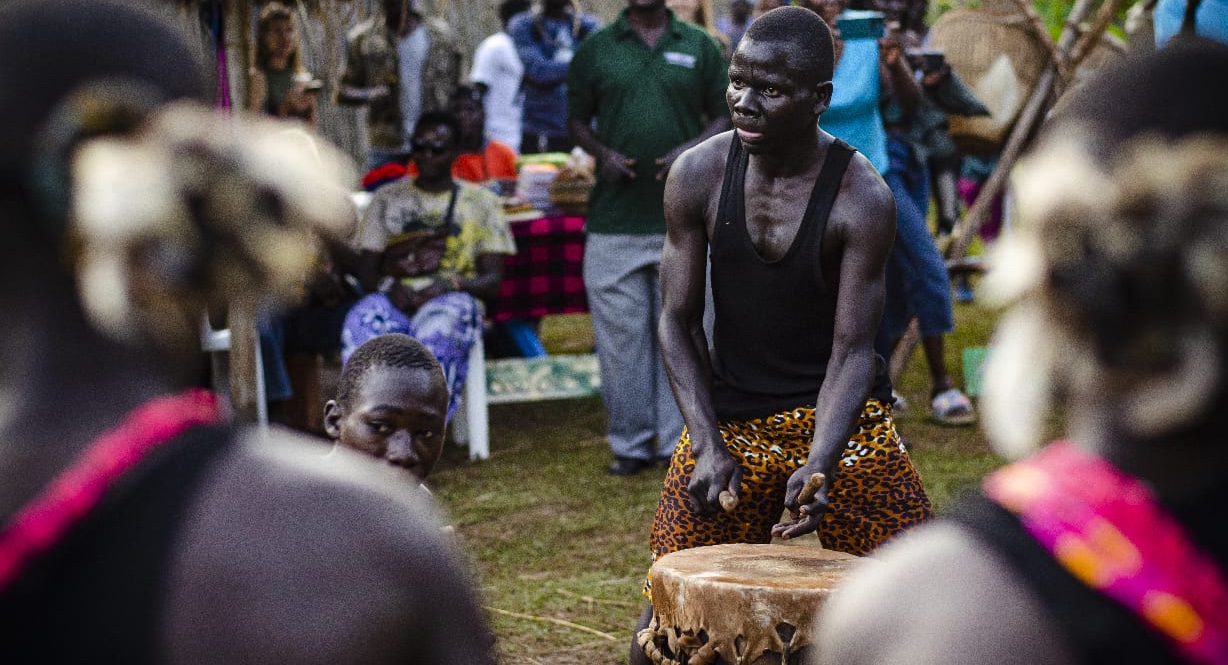
Acholi traditional dances bring rhythm, history, ceremony, and community pride into the experience. The Bwola dance carries royal significance and includes graceful movement with small drums. The Otole dance connects to warrior history, courage, and group energy. Meanwhile, Larakaraka often appears during wedding celebrations and expresses joy, unity, and social connection. Each dance carries meaning beyond movement.
Music and dance can close a cultural day with strength. Guests may watch performers, learn about instruments, and understand when communities use each dance. However, travelers should approach participation with respect. Some moments invite guests to join. Other moments deserve observation. A good guide helps manage that balance. Your Back to the Source Tours guide can include music and dance when it supports the community schedule and overall travel flow.
How Dance Adds Cultural Context
Dance helps travelers understand values that words cannot always explain. Movement can express honor, courage, courtship, celebration, identity, and memory. During an Acholi cultural visit, dance also creates a shared space between hosts and guests. This exchange can feel joyful, but it still deserves cultural respect.
Travelers should ask before filming and follow the guidance of the host team. They should also avoid treating performers as background content. These dances carry heritage, skill, and meaning. As a result, respectful attention becomes part of the experience.
How This Experience Fits the Kidepo and Karamoja Route
The Kidepo and Karamoja route attracts travelers who want remote landscapes, wildlife, culture, and less crowded safari areas. A Gulu cultural stop strengthens that journey because it adds Acholi heritage before travelers continue east or northeast. This can create a powerful flow from Murchison Falls to Gulu, then onward toward Kidepo Valley National Park and Karamojong community experiences. Each stop adds a different chapter to the story.
Some guests may want a stronger wildlife focus. Others may prefer more community based experiences along the way. Therefore, we build the itinerary around the traveler rather than forcing every route into one pattern. Northern Uganda rewards thoughtful planning, and this cultural experience gives the journey stronger purpose.
Responsible Travel in Gulu Uganda
Responsible cultural travel begins with humility. Guests should listen carefully, ask thoughtful questions, and follow the guidance of local hosts. Travelers should also ask before taking photos, especially during household visits, craft activities, and storytelling moments. Because this experience involves real communities, respect matters at every step. The goal is not to consume culture quickly. The goal is to meet people with care and learn through direct connection.
Plan an Acholi Cultural Experience in Gulu Uganda
An Acholi cultural experience in Gulu Uganda can become one of the most memorable parts of a northern Uganda itinerary. It gives travelers food, craft, movement, history, storytelling, and community connection in one destination. It also supports a stronger route toward Kidepo Valley National Park, the Karamoja region, and other less traveled parts of Uganda. For travelers who want more than a checklist, Gulu offers substance.
Back to the Source Tours can include this experience in custom safaris, private routes, and future northern Uganda tour packages. Our team can coordinate timing, transport, activity flow, local hosts, and the wider route. Whether you plan to visit Kidepo Valley National Park, Murchison Falls National Park, or a broader Uganda national parks itinerary, this cultural stop can add depth and direction. The route may feel remote, but with the right planning, it becomes remarkably rewarding.
Plan this experience with Back to the Source Tours: East Africa Tour Packages, East Africa Group Tours, and/or Request Your East Africa Safari Quote.