
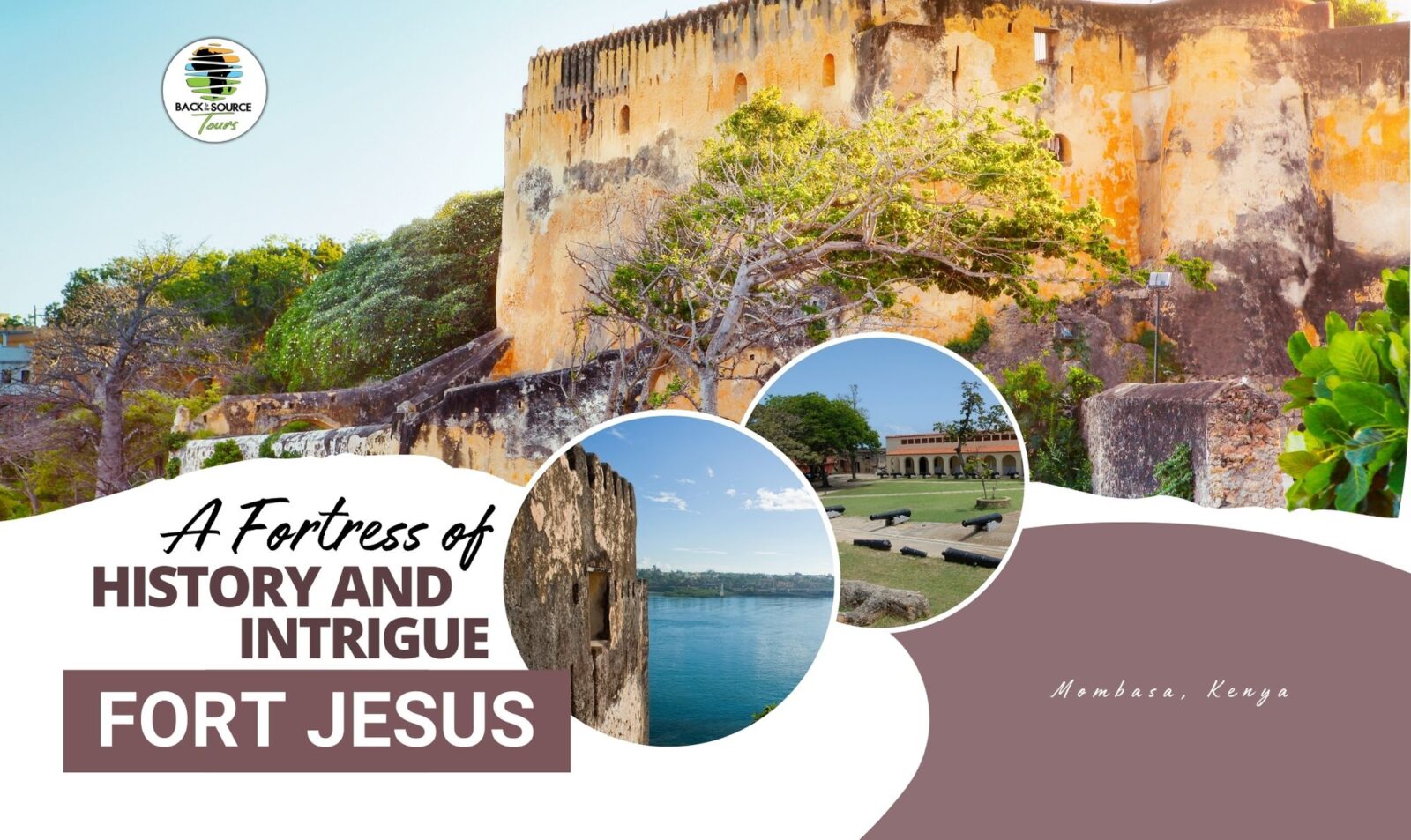
There are historical sites that inform you. And then there are historical sites that stop you in your tracks, make you stand still, and remind you that the world you are walking through is not the first one to have stood here. Fort Jesus in Mombasa is emphatically the second kind.
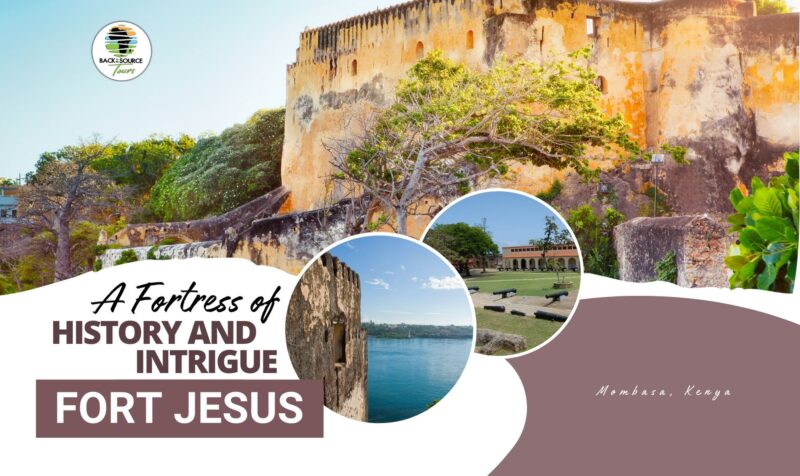
Built in 1593 and designated a UNESCO World Heritage Site in 2011, Fort Jesus is not just Kenya’s most visited historical attraction. It is one of the most layered, emotionally resonant, and architecturally extraordinary sites in all of East Africa. Across more than four centuries, it has been a symbol of colonial ambition, a theater of siege and resistance, a holding ground for enslaved people, a British prison, and finally a museum that tells the whole complicated story with honesty and considerable skill. A visit to Fort Jesus is not a casual tick on a tourist checklist. It is an experience that stays with you.
Back to the Source Tours includes Fort Jesus as a cornerstone of every Mombasa cultural programme, combined with an Old Town walking tour and spice market experience for a full and deeply rewarding day. Every visit is guided, arranged, and fully coordinated. Contact us at info@backtothesourcetours.com to build your Mombasa itinerary.
The History of Fort Jesus: Four Centuries of Power, Resistance, and Change
To understand Fort Jesus, you have to understand what the Indian Ocean meant to the world in 1593. It was not a body of water. It was the most important trade highway on earth, connecting the spice islands of Asia to the markets of Arabia, Persia, India, and Europe. Whoever controlled the key ports along this route controlled the flow of wealth across continents. Mombasa was one of those ports, and the Portuguese wanted it absolutely.
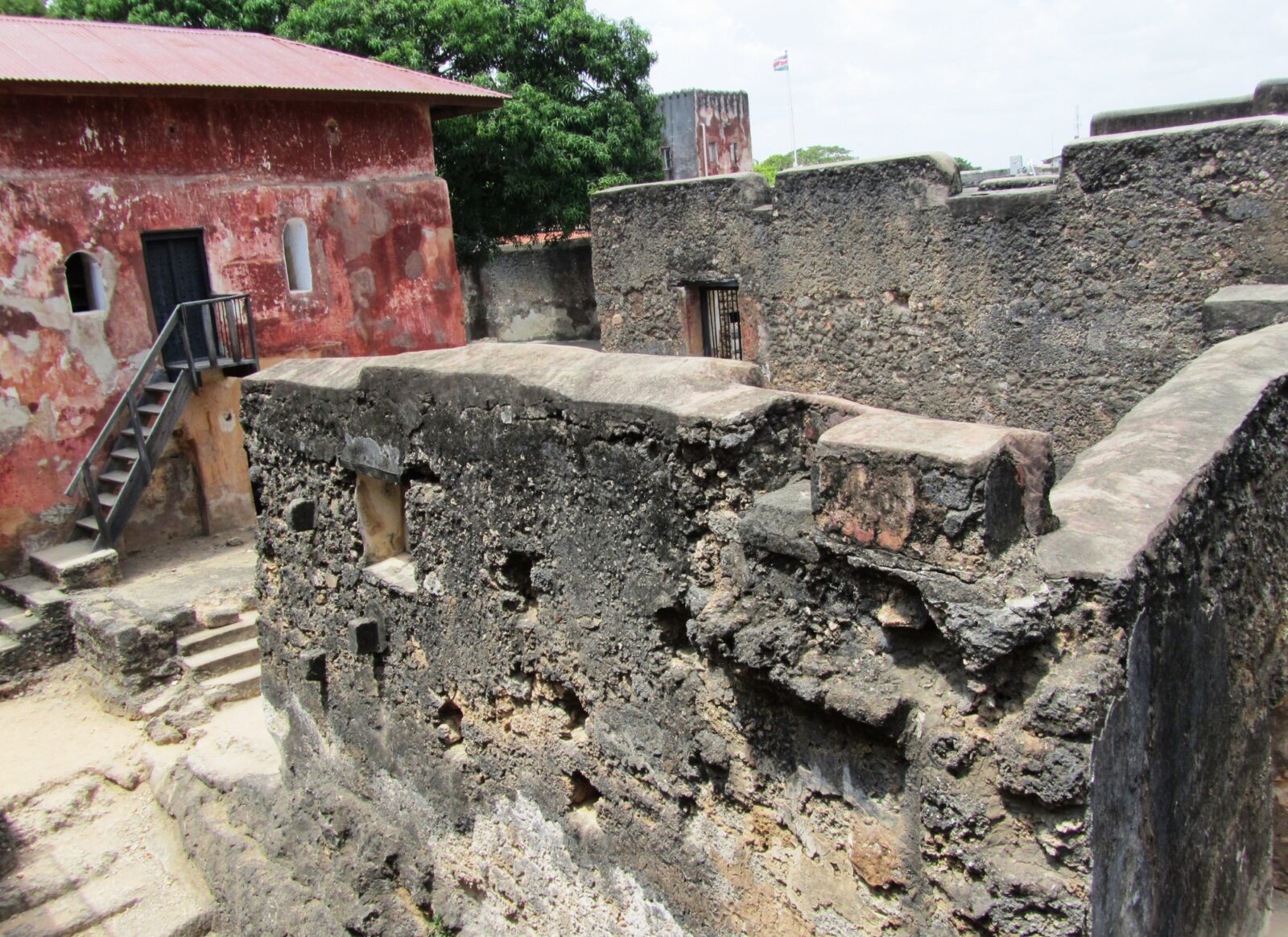
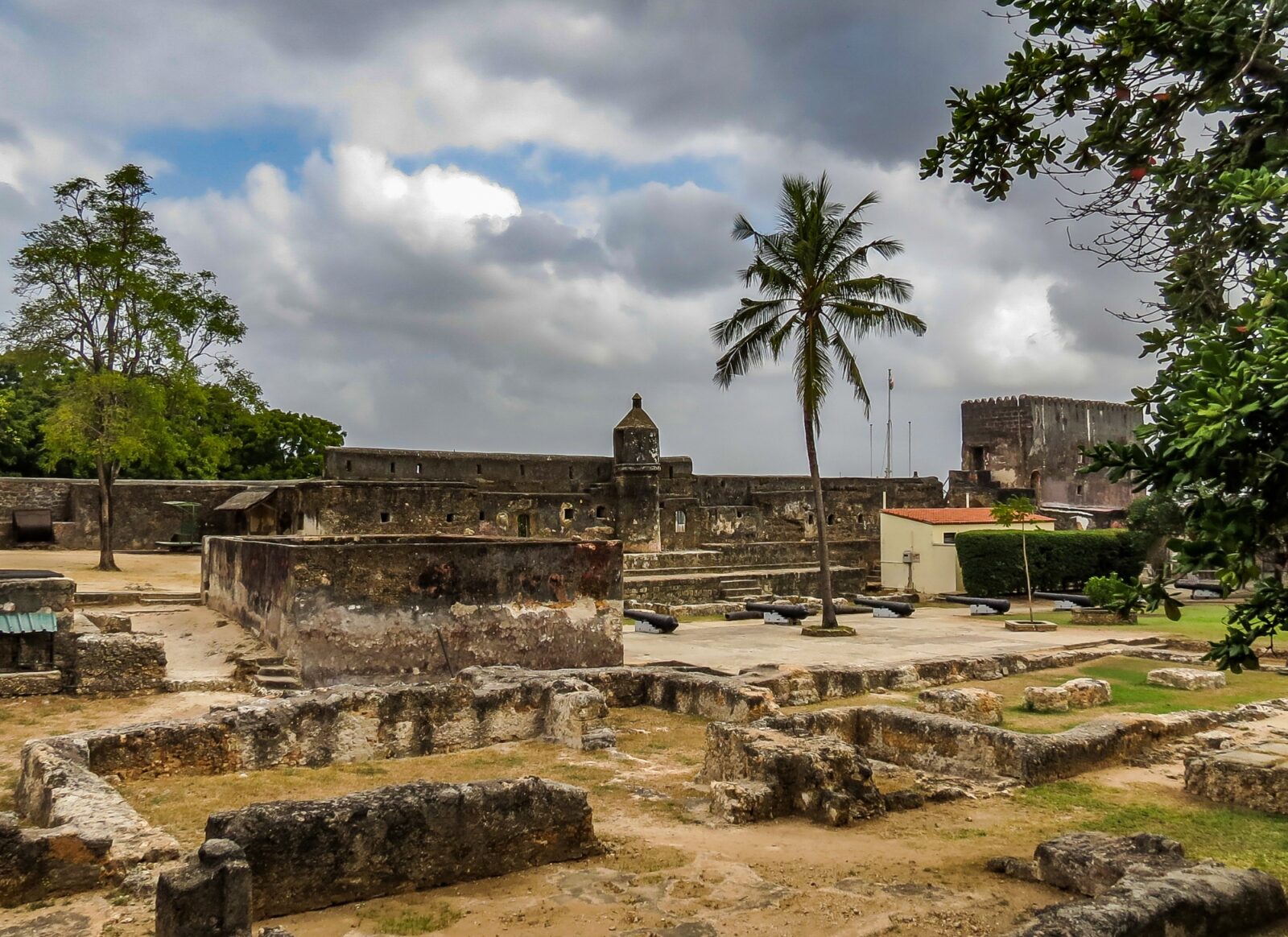
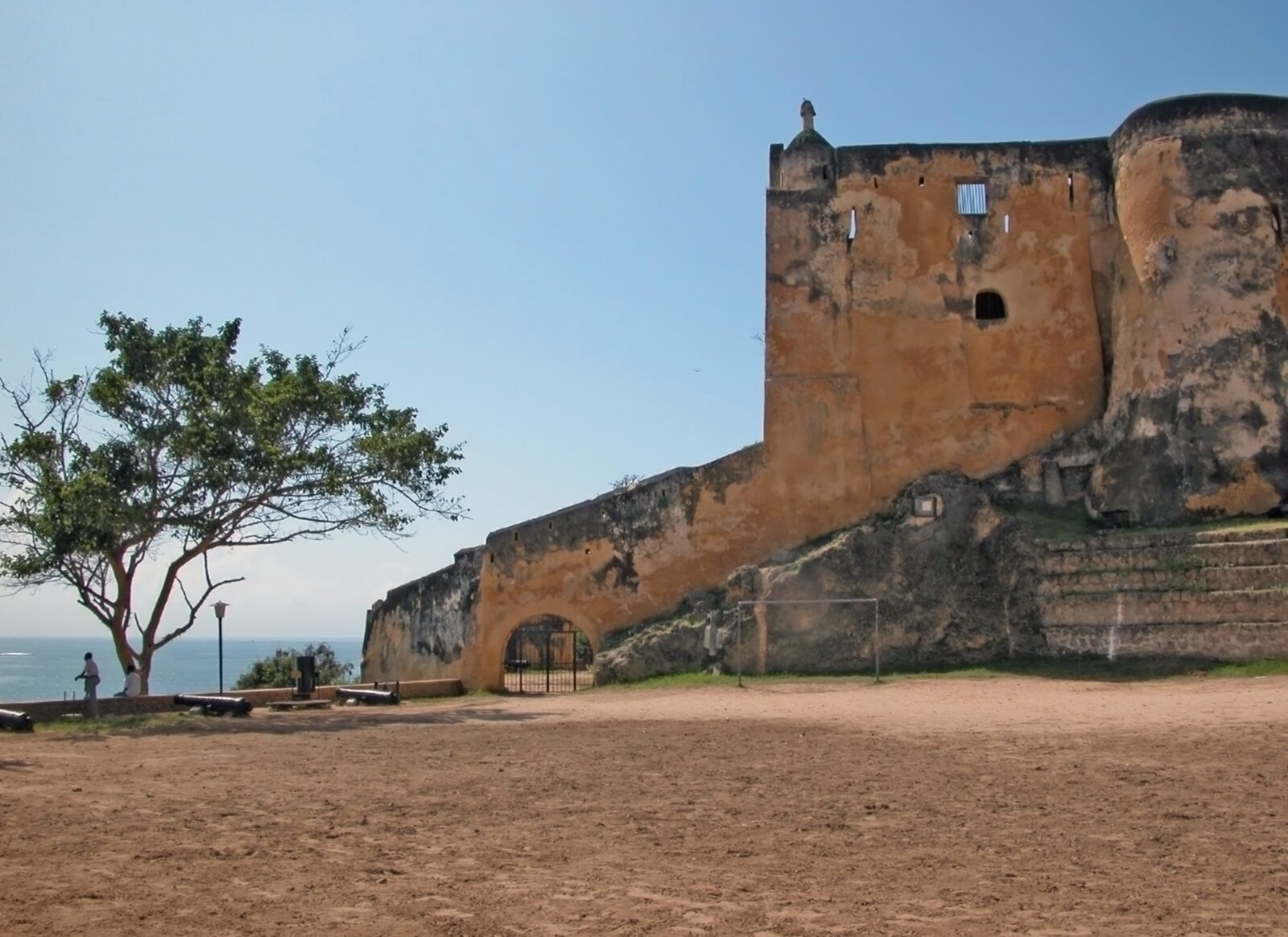
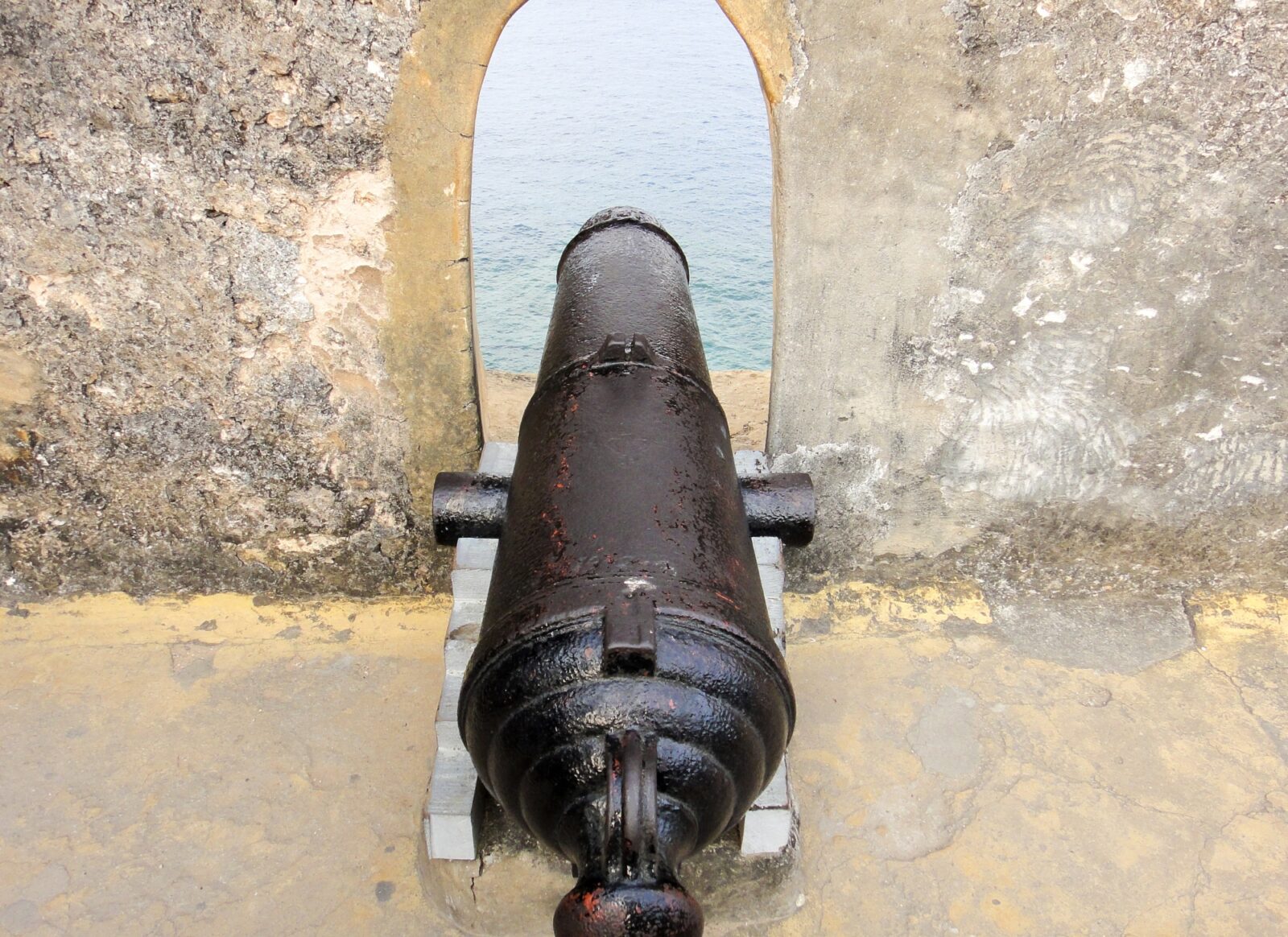
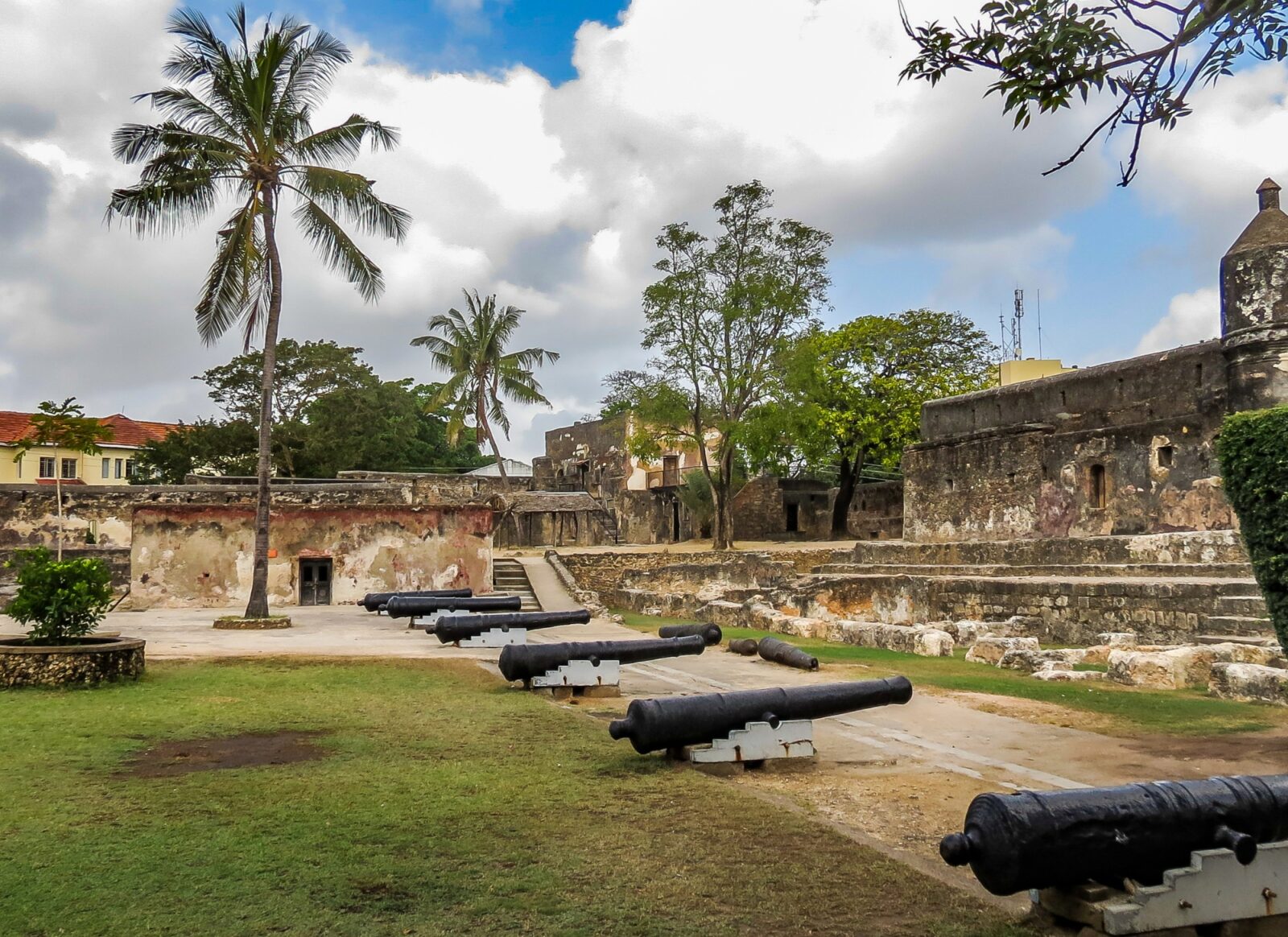
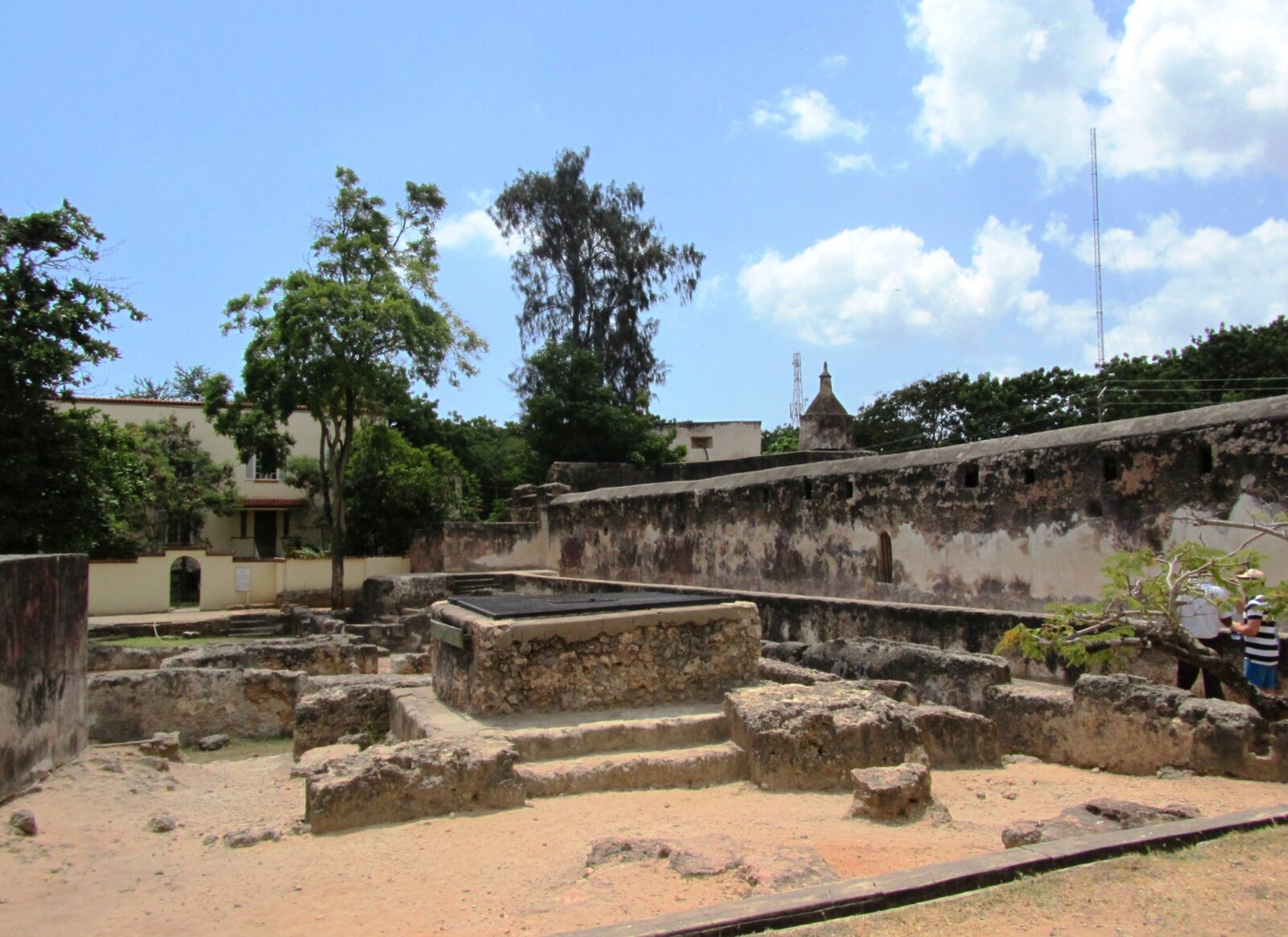
The fort was designed by Italian military architect Giovanni Battista Cairati, commissioned by the Portuguese Crown to be the definitive defensive position on the East African coast. The design followed the most advanced military engineering principles of the Renaissance, with angled bastions shaped to deflect cannon fire, overlapping fields of fire to eliminate blind spots, and walls of coral stone quarried locally and built to an extraordinary standard of permanence. Cairati designed the fort in the shape of a man, the outer bastions representing arms and legs outstretched, the central courtyard the body, an architectural expression of the Renaissance ideal of human proportion applied to military purpose. It was built to be impregnable. History had other ideas.
Between 1593 and 1875, Fort Jesus changed hands nine times. The Portuguese held it, lost it to Omani Arab forces after a siege that lasted 33 months and reduced the garrison to a handful of survivors, recaptured it, lost it again. Each occupying power modified the fort to suit their own defensive needs, added new walls, new rooms, new inscriptions, and left behind layers of cultural and architectural evidence that make the fort a physical archive of the Indian Ocean world across three centuries of contest. The Omani Arab occupation in particular left significant marks on the fort’s interior, including architectural modifications, inscriptions, and domestic spaces that reflect a fundamentally different culture from the Portuguese who built it.
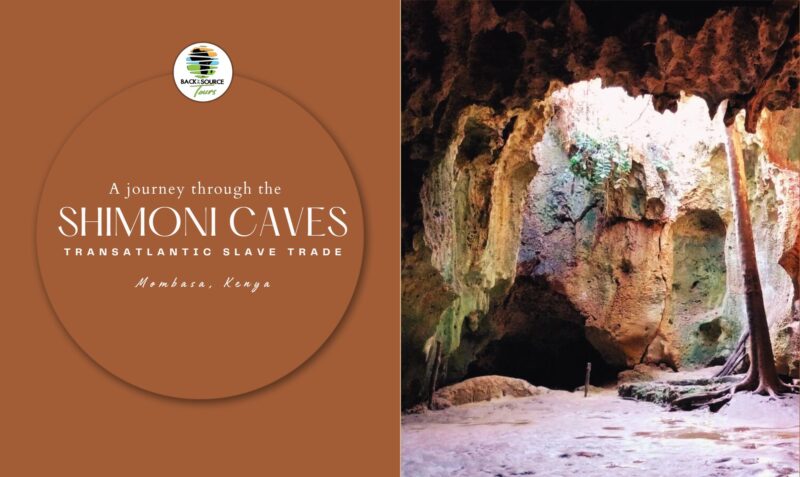
The fort’s darkest chapter is inseparable from its history. Mombasa served as a major transit point in the East African slave trade, and Fort Jesus was part of that machinery. Enslaved people captured from the interior of the continent were moved through Mombasa and the fort’s network, held before transportation across the Indian Ocean to the Arabian Peninsula, Persia, and beyond. The museum confronts this history directly and without evasion, and it is one of the most important reasons to visit with a guide who can provide the context that the physical space alone cannot fully communicate.
The British took possession of Fort Jesus in 1895 during the colonial era, using it first as a garrison and subsequently as a prison, a function it served until 1958. It became a museum in 1962, and a UNESCO World Heritage Site in 2011, recognized for its outstanding universal value as a testament to the encounter between African, Arab, and European cultures on the Indian Ocean coast.
How Long Does a Visit to Fort Jesus Take?
A self-guided visit to Fort Jesus takes approximately 1.5 to 2 hours to cover the main courtyard, museum, bastions, and key interior spaces at a considered pace. A guided visit, which is strongly recommended, runs 2 to 2.5 hours, with the additional time entirely accounted for by the depth of context a knowledgeable guide provides. The difference between visiting Fort Jesus with and without a guide is significant.
The physical space is extraordinary, but the history it contains is layered and specific, and a guide with genuine knowledge of the fort, its archaeology, its successive occupations, and its role in the broader Indian Ocean world unlocks an entirely different quality of experience.
Back to the Source Tours includes Fort Jesus as part of a full Mombasa cultural day, combined with an Old Town walking tour and spice market experience, for a programme that runs approximately 5 to 6 hours in total. This is the most complete and satisfying way to experience the city.
Practical Information for Visiting Fort Jesus
Location: Nkrumah Road, Old Town, Mombasa. The fort sits on the waterfront at the southern edge of Mombasa Island, within easy walking distance of the Old Town historic district.
Opening hours: Daily, 8am to 6pm. The Sound and Light Show runs Thursday to Sunday evenings at 7pm, with complimentary fort access from 6pm for show ticket holders.
Duration: 1.5 to 2 hours self-guided; 2 to 2.5 hours with a guide. Allow a full morning when combined with Old Town and the spice market.
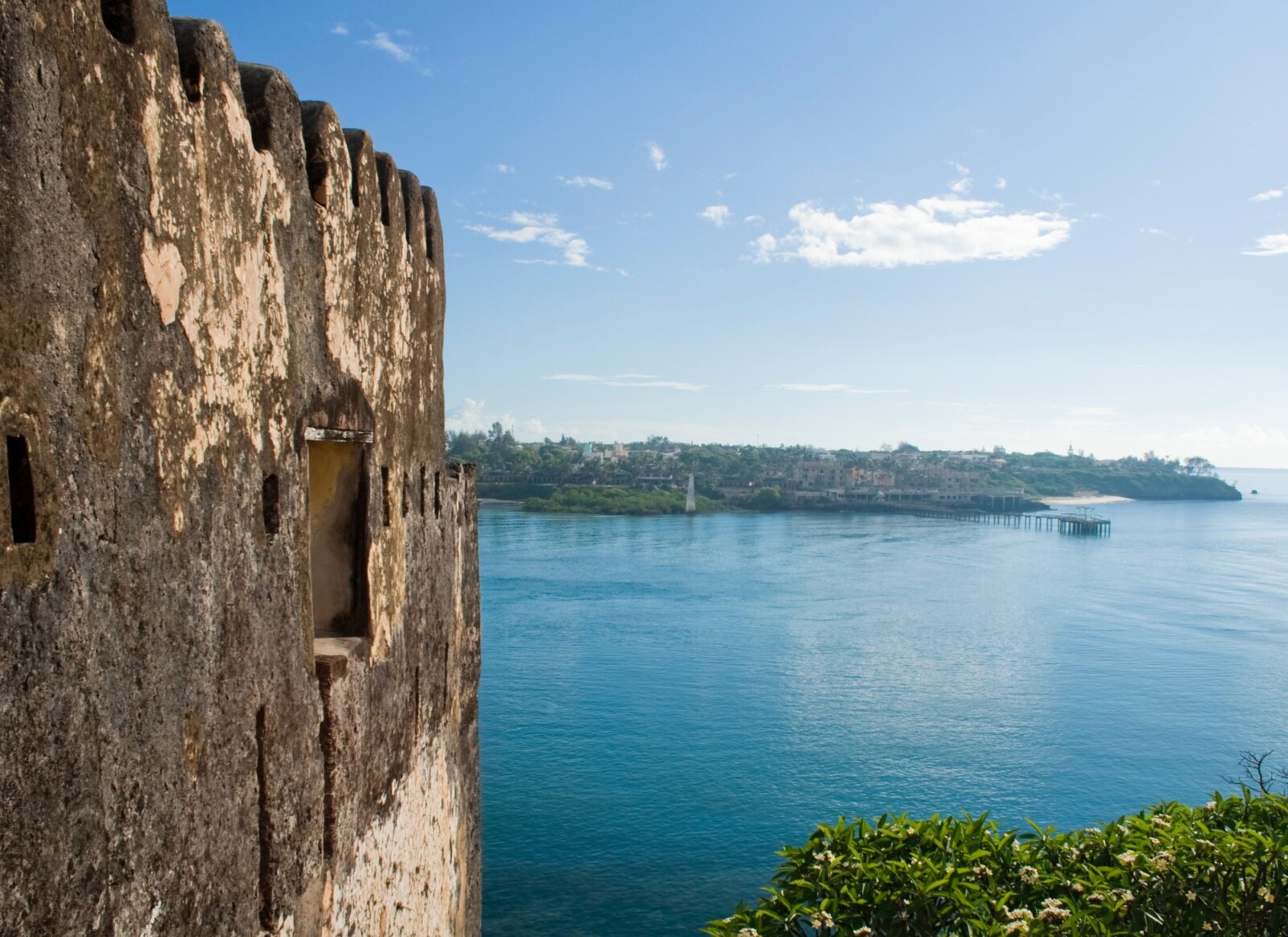
Best time to visit: Early morning, between 8am and 10am, for the best light on the ocean-facing battlements and before the midday heat makes the open courtyard less comfortable. The Sound and Light Show is ideal for families and evening visitors.
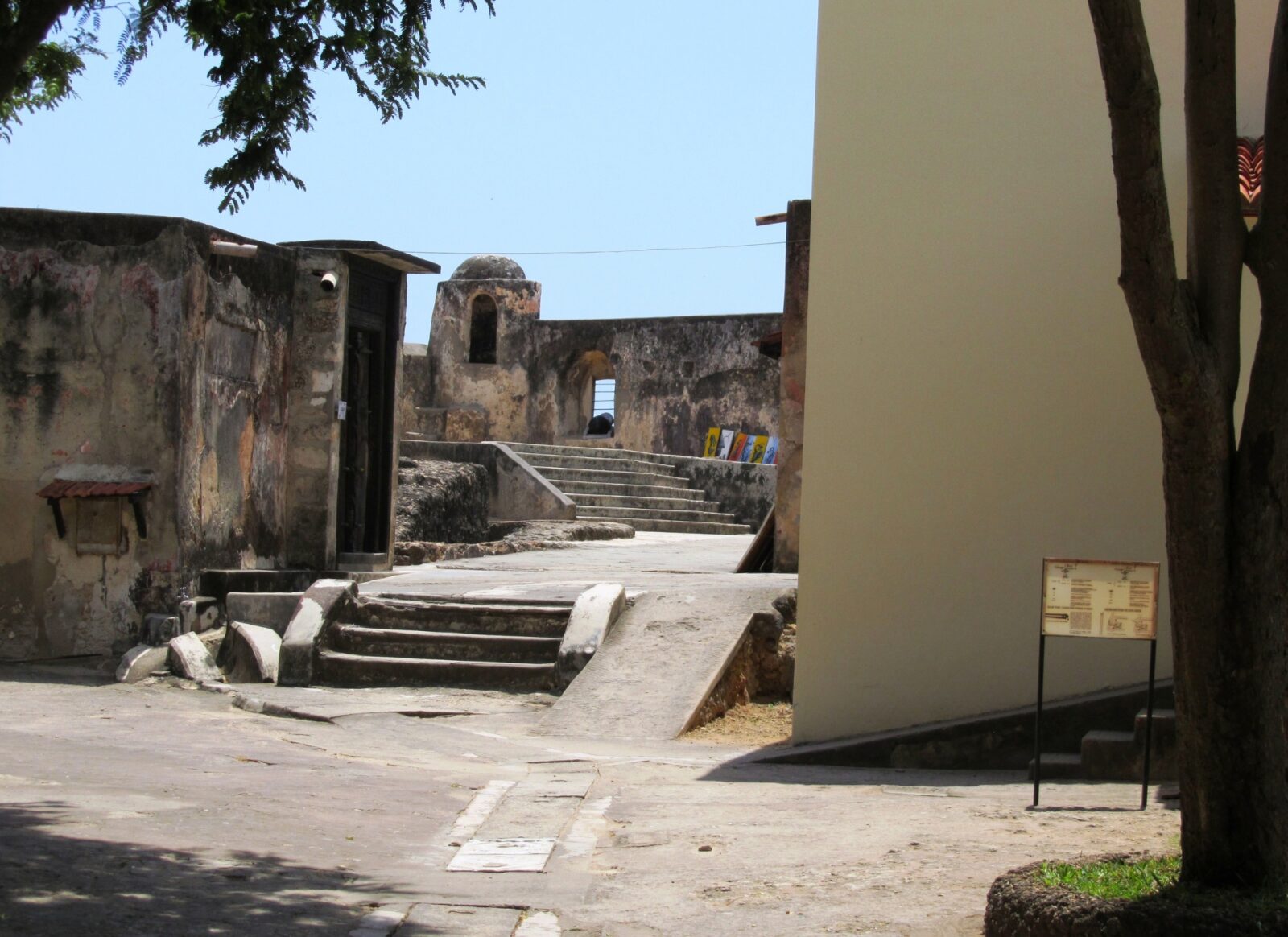
What to bring: Comfortable walking shoes, sun protection, and water. The fort involves steps, uneven stone surfaces, and open sun exposure on the ramparts. A camera is essential. The views from the San Felipe Bastion alone are worth the entry fee.
Accessibility: The fort involves significant stair climbing to access the upper ramparts and bastions. The museum and courtyard areas are accessible at ground level. Visitors with mobility considerations should flag this when booking with Back to the Source Tours so the programme can be planned accordingly.
Plan Your Fort Jesus Visit with Back to the Source Tours
Fort Jesus is most powerfully experienced as part of a well-structured Mombasa day that combines the fort with an Old Town walking tour and spice market experience, giving the history of the city the breadth and context it deserves. Back to the Source Tours builds this as a complete, guided, fully coordinated programme, with transport, expert guide service, entry fees, and the spice market tasting experience all included. Mombasa and Diani Beach sit just 40 kilometers apart, connected by a straightforward road transfer and the short Likoni Ferry crossing, which means the full programme is easily accessible for travelers based anywhere on the south coast, and well worth factoring into your planning.
Contact Back to the Source Tours at info@backtothesourcetours.com to add Fort Jesus and the Mombasa cultural day to your Kenya itinerary. Some sites earn their UNESCO designation quietly. Fort Jesus earns it every single day.