

When Flying Beats Driving
There are three moments when flights usually win, decisively.
First, when the drive is long enough to erase a safari day. Some park transfers can be 6 to 10 hours by road depending on routing and conditions. A short flight protects your schedule and gets you into the wild with your mood intact.
Second, when you want to combine regions without sacrificing comfort. This is how you can pair a savannah safari with a rainforest trek without turning your itinerary into an endurance test.
Third, when you want the best version of the experience. Arriving less fatigued means you show up sharper for early starts, longer sightings, and physically demanding activities like trekking.
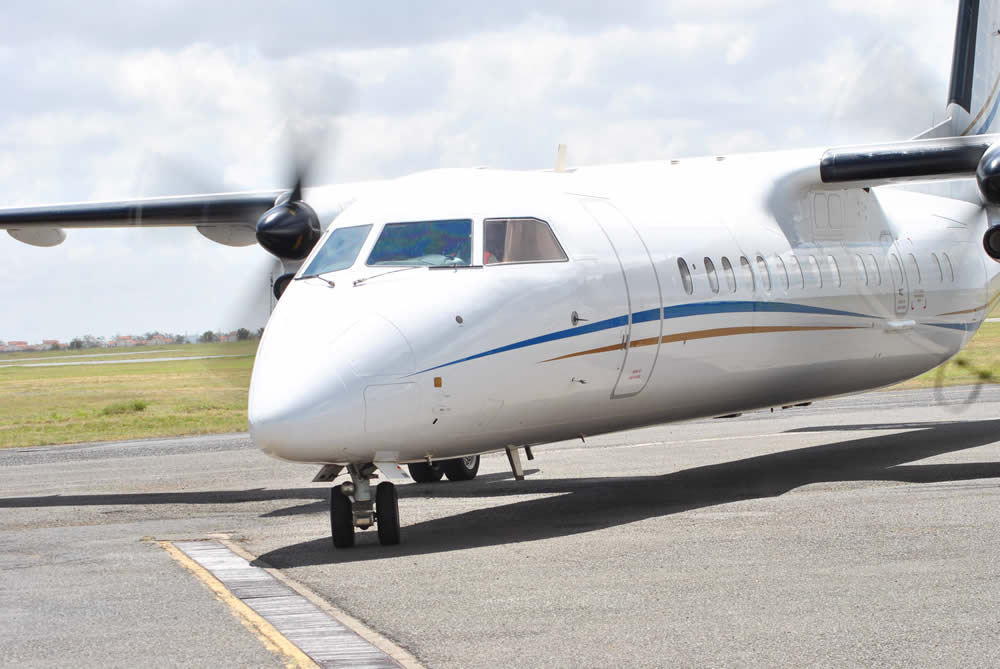
What a Flight Day Looks Like on a Back to the Source Tours Itinerary
A flight day is not a “figure it out at the airport” situation. It is coordinated, timed, and supported.
You will be transferred to the departure point with enough buffer to check in calmly. Safari aviation in East Africa is efficient and personal, but it is also weight sensitive, and that is why luggage rules matter. We manage the flow so you do not feel rushed, and so your day still feels like a travel experience, not an admin task.
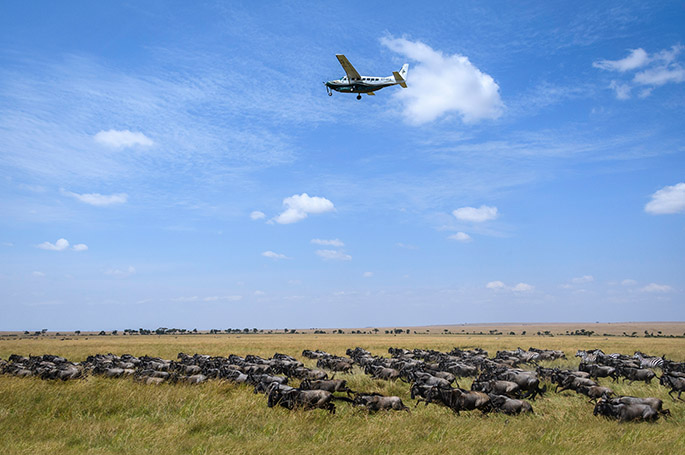
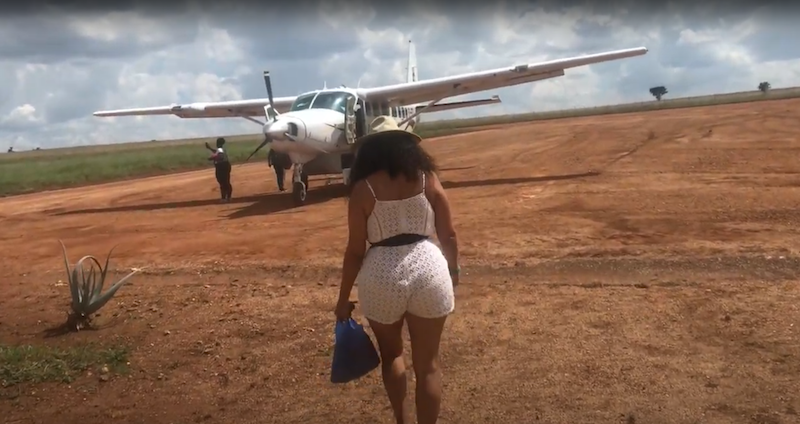
When you land, your safari team or lodge team meets you directly, often at the airstrip. The transition is quick, then you are back in the experience, sometimes with wildlife sightings before you even reach camp.
The Non Negotiables: Luggage Rules You Need to Know
Most safari flights across the region operate on small aircraft with limited cargo space, so baggage allowances are strict.
Plan around 15 kg total per person, including hand luggage, packed in a soft bag, not a hard suitcase. This is standard across major safari airlines.
The standard procedure is simple. Travelers pack one soft duffel that meets the flight allowance, then leave any excess luggage stored securely until the safari flight portion is complete. Most hotels are accustomed to storing extra bags for guests.
Alternatively, many safari airlines and their ground handling teams can also arrange secure luggage storage at the departure hub. Back to the Source Tours will guide you on the best option based on your route, so you keep only what you need in the bush and confidently reunite with the rest of your luggage when you return.
Kenya: How Safari Flights Work, Nairobi to the Maasai Mara and Beyond
Wilson Airport, Nairobi
Wilson Airport is the heartbeat of Kenya’s safari aviation. It is smaller, faster, and far more direct than a major international terminal, so the experience feels refreshingly straightforward.
Expect a simple check in process, a luggage weigh in, then boarding by walking out to the aircraft. Airlines operating these routes enforce luggage limits carefully, because weight and balance on small aircraft is not a suggestion, it is physics. AirKenya’s baggage policy, for example, sets the maximum at 15 kg in soft sided bags.
Flying into the Maasai Mara
Flights from Wilson to the Maasai Mara commonly take under an hour, and can include “hops” between airstrips depending on where guests are going. Safarilink notes it serves the Maasai Mara with stops across multiple airstrips based on passenger needs.
The best part is what happens when you land. You step off onto a bush airstrip, your lodge team meets you right there, and your safari begins immediately. It is one of the most satisfying transitions in travel, city to savannah without a long, draining drive.
Kenya Pro Tip
If your itinerary includes both city and safari, pack your safari bag like a tight executive briefing, only what you need in the bush section. Leave the rest stored safely in Nairobi. It keeps flight days smooth and keeps you from hauling items you will not touch once you are in camp.
Uganda: How Domestic Flights Work, Entebbe to the National Parks
Uganda’s flight network is a game changer for safari pacing. Domestic flights allow you to connect from Entebbe to remote parks efficiently, making it possible to combine multiple regions without losing days to transit.
Entebbe as the Hub
Most domestic connections begin from the Entebbe area, then route to key airstrips serving major parks. Airlines like Aerolink publish luggage allowances aligned with regional safari aviation norms, including the 15 kg soft bag standard.
Bwindi
Flights into the Bwindi region typically arrive via Kihihi or Kisoro, then continue by road to your lodge based on your trekking sector. This is one of the most valuable uses of domestic flights in Uganda, because it protects your energy for trekking day, which is exactly where you want your strength and focus.
Murchison Falls and Other Parks
Murchison is commonly served by airstrips such as Pakuba and Chobe, and other parks connect similarly through regional airstrips. The key advantage is time, you trade long road transfers for a short flight and arrive ready to enjoy the park, not recover from the road.
Tanzania and Zanzibar: The Short Version You Actually Need
Tanzania is built for fly in safaris, especially in the north. Flights commonly connect Arusha or Kilimanjaro to Serengeti airstrips, and Coastal Aviation publishes schedules showing Arusha to Serengeti routing that can run under two hours, depending on stops.
Luggage rules remain similar, Coastal Aviation states a 15 kg allowance including carry on, with soft bags strongly recommended.
For Zanzibar, short hops are the norm. Direct flights from Dar es Salaam to Zanzibar are commonly around 20 to 30 minutes, making it an easy add on when you want beach recovery after safari.
Rwanda: The Short Version for Smart Planning
Rwanda is compact, which means road transfers often make sense, especially for gorilla trekking and Akagera.
Many travelers drive from Kigali to Volcanoes National Park in roughly 2.5 to 3 hours, and Kigali to Akagera is often quoted in a similar 2.5 to 3 hour range, depending on traffic and conditions.
If your Rwanda itinerary includes commercial flights, RwandAir’s baggage allowance varies by fare type and route, and is typically far more generous than safari planes, so your packing approach can be different on those legs.
The Practical Packing Strategy That Makes Flights Easy
Bring a soft duffel, keep essentials accessible, and avoid overpacking like it is a competitive sport.
Place medication, valuables, camera gear, and a change of clothes where you can reach them quickly. Safari aviation is smooth, but it is still aviation, and smart travelers keep the non negotiables close.
If you are traveling with specialized equipment, large lenses, or extra gear, tell us early. We plan solutions, extra baggage arrangements are sometimes possible, but they must be handled strategically, not emotionally, and definitely not at the counter.
Why This Can Be the More Sustainable Choice
One sustainability upside of strategic flying is that it can reduce long distance road convoys and repeated hours of driving through sensitive ecosystems, which means less dust, less noise, and less road pressure around parks and communities. When we combine flights with efficient group logistics, capped group sizes, and direct routing, we reduce unnecessary transit time and keep the focus on low impact, high value experiences, the standard we hold at Back to the Source Tours.